Can Type III hard-anodized (hardcoat) surfaces be dyed?
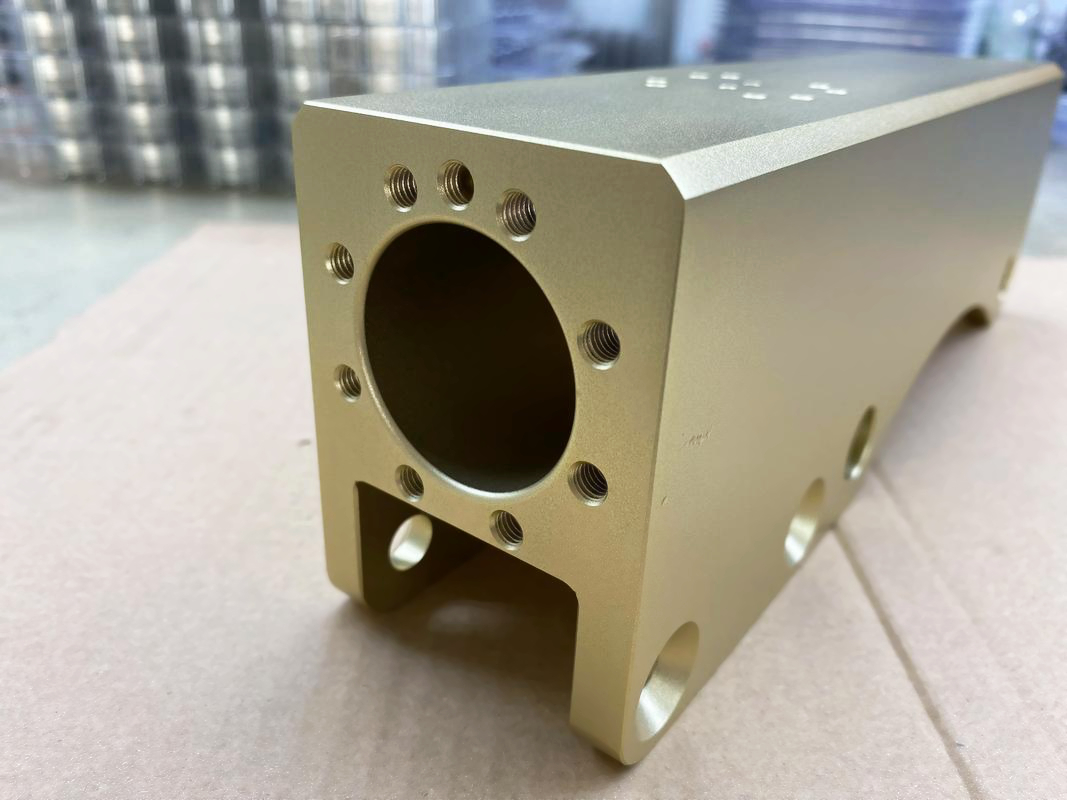
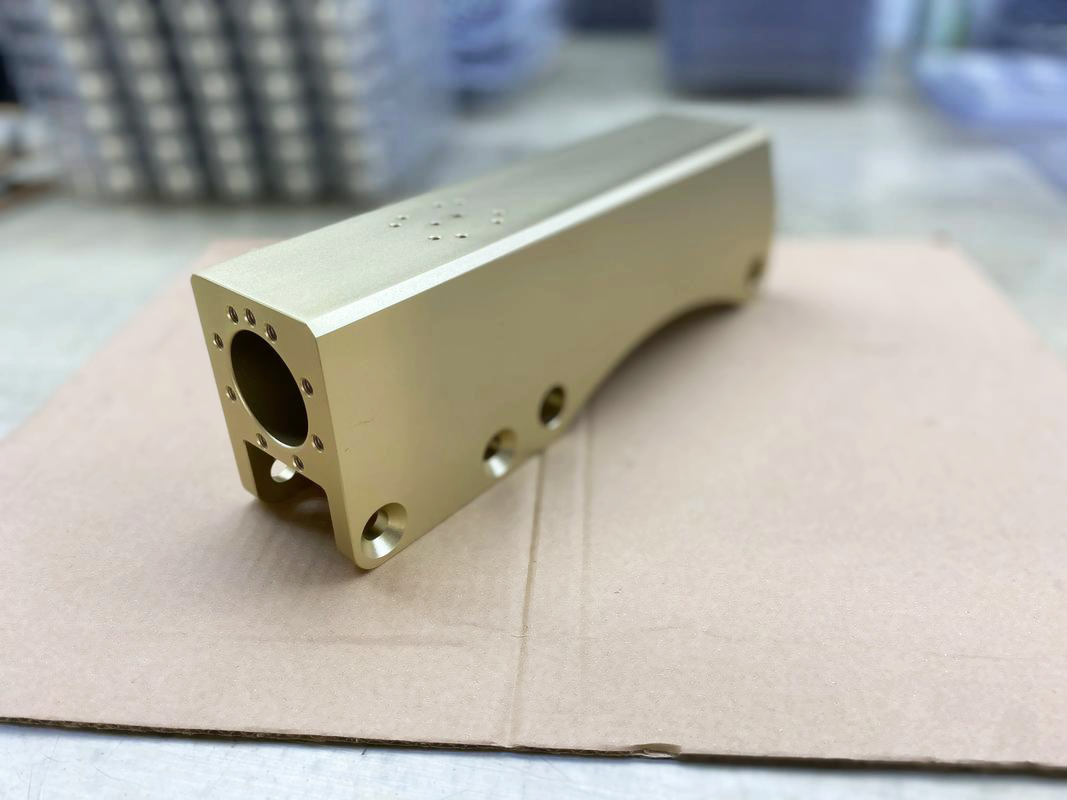
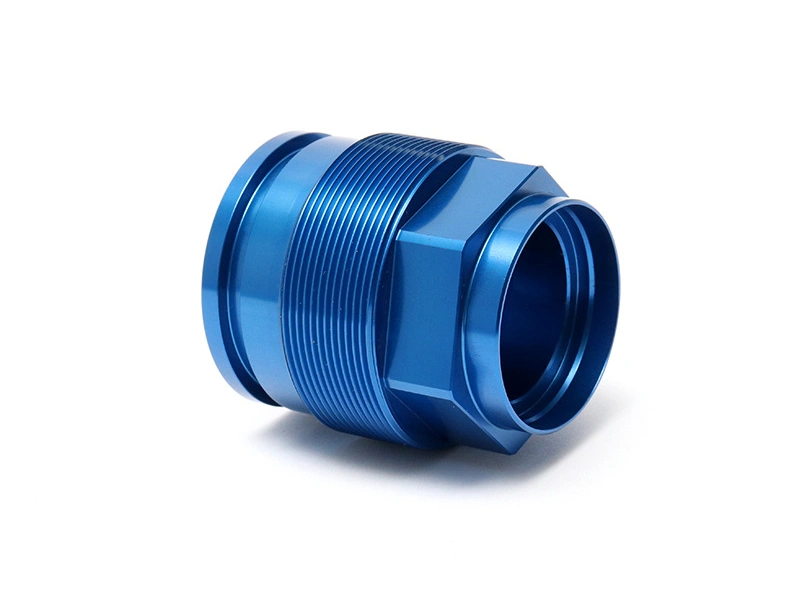
Yes, some Type III hard-anodized surfaces can be dyed before sealing, but dyeability is not the same as obtaining any requested color with decorative consistency. Hardcoat thickness, pore structure, alloy chemistry and the coating's natural gray, bronze or dark cast can restrict shade and uniformity. Black or other dark colors are often more practical than light, bright colors, but the actual result must be established on production-representative samples.
Correct the common misunderstanding
Type III hardcoat is porous after anodizing, so it is not categorically incapable of accepting dye. The challenge is that the process is selected primarily for functional coating properties, and its thicker or naturally darker oxide can mask or shift the dye. A shop may decline a color because its qualified process cannot meet that cosmetic target, not because all Type III oxide is physically undyeable.
Ask the finisher whether the quoted route includes dye and seal, which colors have been demonstrated on the specified alloy and thickness, and whether appearance is controlled or merely incidental. Keep that answer in the written quotation and approval plan.
Type III dyeability decision table
Condition | Effect on color | Buyer decision |
|---|---|---|
Dark natural hardcoat | Can overpower light dye and shift hue | Consider dark color or accept natural appearance |
High coating target | May deepen natural color and increase variation | Set function first, then trial the color |
High-silicon cast surface | Can appear gray, mottled or nonuniform | Use production cast samples and define zones |
Machined and as-cast areas | Different microstructure and texture can show different shades | Approve both conditions or redesign the visual boundary |
Tight color tolerance | Functional hardcoat variability may exceed cosmetic needs | Evaluate Type II or another finish if function permits |
Wear surface | Color may change as the oxide wears | Separate wear acceptance from cosmetic acceptance |
The alloy controls the background color
Aluminum matrix and alloying constituents do not form oxide identically. Silicon, copper-bearing phases and other intermetallics can darken or disrupt the surface. A designation alone is not enough; casting route, local solidification, heat treatment, machined skin and porosity affect the visible result.
Use actual production material for color approval. A color chip made on a wrought panel may show the dye, but it does not predict a die-cast housing. Record alloy source and condition with the approved master so later substitutions trigger review.
Coating function and thickness come first
Type III is normally chosen for a defined functional reason such as wear, abrasion or dimensional surface behavior. Do not lower or broaden the coating requirement informally just to achieve a preferred shade. Conversely, do not specify an unnecessarily high thickness if a validated lower range meets function and provides better color control.
Anodic oxide also changes finished dimensions. Masking, pre-machining and final gauging must be planned with color and seal. The anodizing process quote should identify thickness range, dye, seal, critical dimensions and allowed rack marks as one controlled scope.
Dye and seal are a controlled sequence
Dyeing occurs after oxide formation and before sealing. The dye chemistry, concentration, time and bath condition must be compatible with the hardcoat route. Sealing then affects dye retention, corrosion performance and sometimes appearance. The supplier should follow the governing specification and its qualified process rather than improvising a decorative step onto a functional coating.
State whether sealing is required, restricted or performance-tested. Some functional applications balance sealing with wear or other surface behavior. This is a design and specification question; a color request should not silently change the approved seal.
Define appearance acceptance realistically
Separate color family, instrumental color range, gloss or texture, uniformity and defect limits. Identify Class A cosmetic zones and surfaces where natural hardcoat variation is acceptable. Evaluate under controlled lighting and viewing geometry. A verbal request for matte black cannot govern hue, patchiness and reflectance.
Use physical masters representing the same alloy, coating range, pretreatment and surface. Approve a range if normal production variation requires it. Make clear whether color is a product requirement, an identification aid or simply preferred; that distinction changes the economical response.
Run a production-representative trial
Include parts from relevant cavities and both cast and machined visual zones. Record incoming surface, rack/contact location, coating thickness by location, dye, seal and final measurements. Compare parts within the rack and across trial loads if consistency is important.
Inspection can include thickness, dimensions, visual comparison, color measurement and required functional tests. Confirm that the proposed test and measurement resources match the contractual method. One attractive sample does not establish a production color window.
Alternatives when cosmetic color is the stronger requirement
If the product requires a bright or tightly matched color that the selected Type III route cannot repeat, evaluate Type II anodizing where its functional performance is sufficient. Another option may be a specified paint or powder system, but adding an organic coating over hardcoat changes dimensions, adhesion, wear behavior and repair. It needs its own qualification.
A secondary powder coating should not be assumed compatible or necessary. Compare the complete stack against the actual wear, corrosion, color and assembly requirements. Sometimes accepting natural hardcoat on functional zones and using a different finish on cosmetic zones is the cleaner design.
RFQ inputs and final decision
Provide alloy, casting or machining route, incoming surface, governing process document, Type III thickness, dye target, seal, cosmetic zones, physical master, color method and tolerance, wear or corrosion requirement, masks, rack marks, final dimensions, quantity, release pattern and validation tests.
The decision-ready answer is conditional: Type III can be dyed when the supplier's process and the alloy support dye uptake, but acceptable color range and uniformity must be demonstrated. Approve function, dimensions and appearance separately, then freeze the material and process variables that produced the accepted result.