How Do Color and Sealing Affect Type II Anodizing Results?
How Do Color and Sealing Affect Type II Anodizing Results?
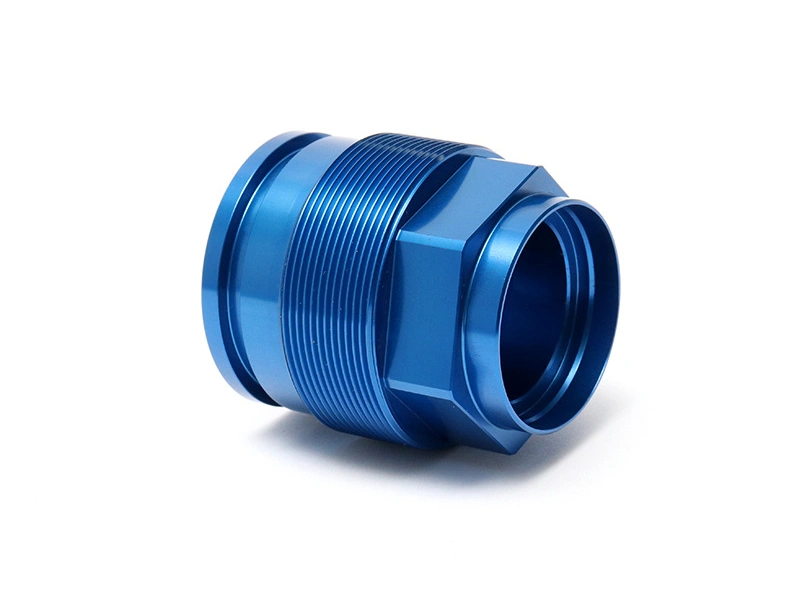
Color and sealing strongly affect Type II anodizing results because they control the final appearance, corrosion resistance and dye stability of the aluminum part. Type II anodizing can support clear, black and other dyed finishes, but the result depends on alloy, surface preparation, coating thickness, dye control, sealing and batch consistency.
Sealing closes or stabilizes the anodic coating after dyeing or clear anodizing. It helps improve corrosion resistance and color durability. If a buyer asks for black Type II anodizing without mentioning sealing, different suppliers may quote different finished conditions. The RFQ should state whether the finish must be sealed and whether any corrosion or appearance requirement applies.
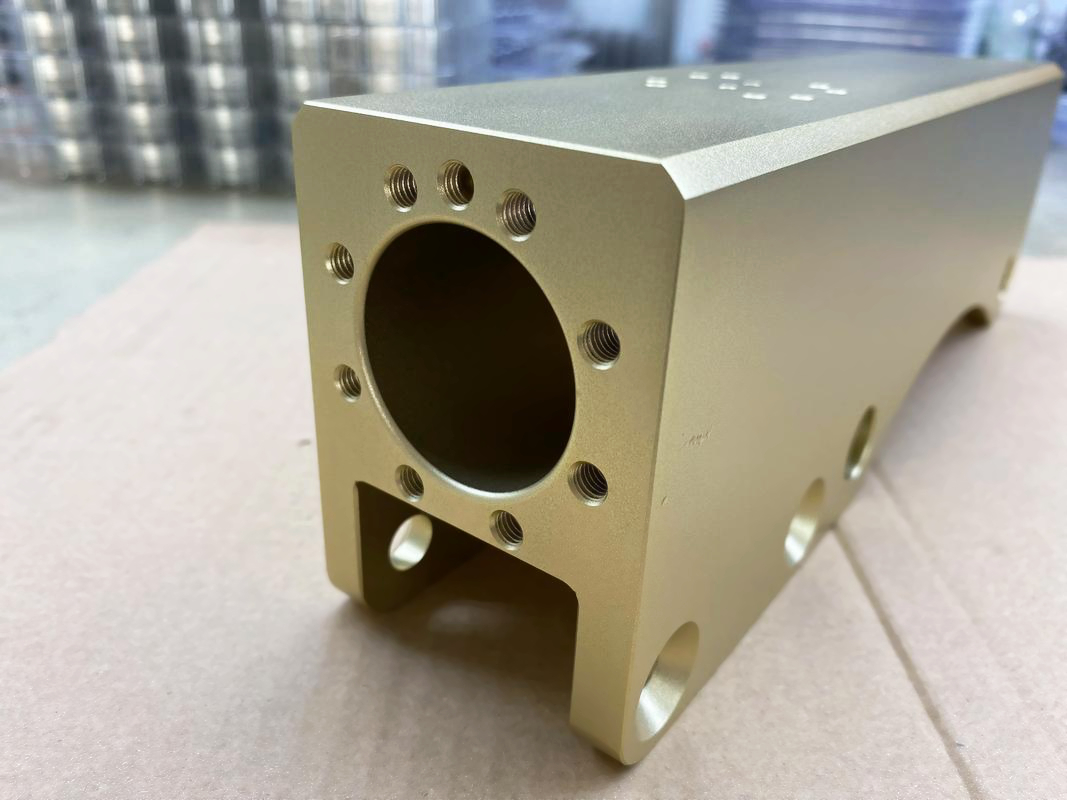
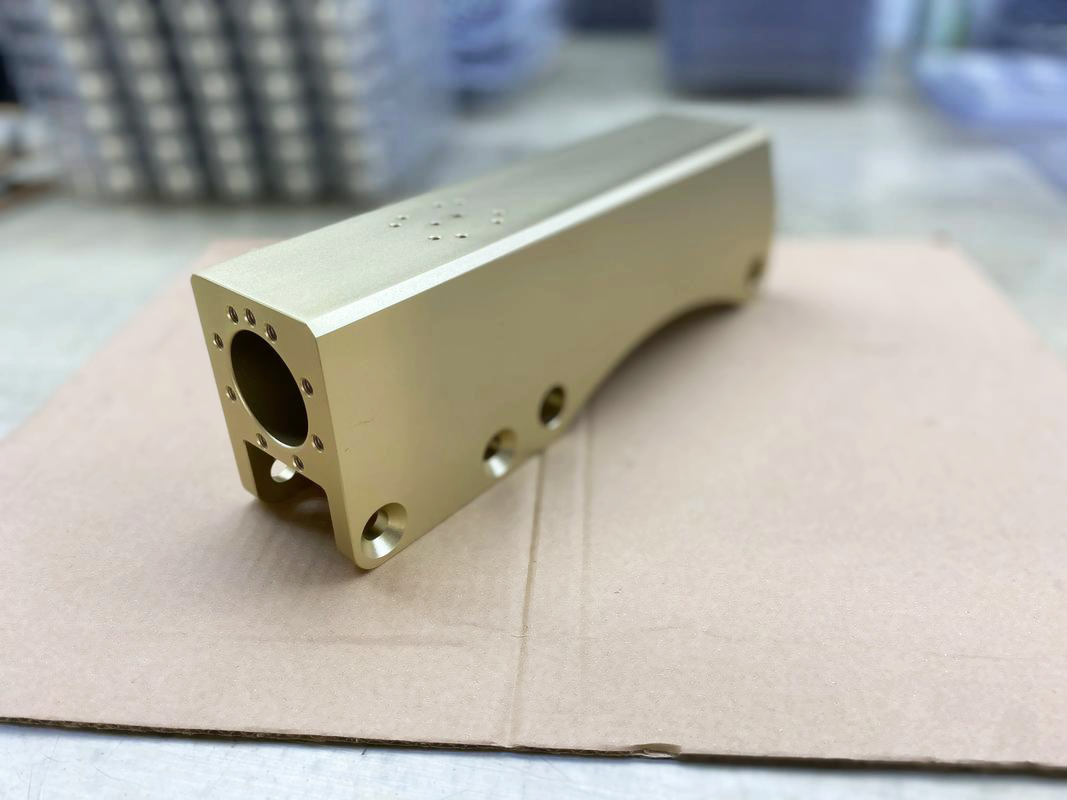
Color is not just a dye selection. A machined 6061 surface, a blasted 6063 extrusion and an A380 casting can all respond differently. Scratches, machining lines, polishing direction and pores may remain visible after anodizing. Buyers should approve samples from the actual material and surface condition planned for production.
For color and sealing expectations, buyers can review whether anodized colors fade over time and why A380 and ADC12 alloys show color variations after anodizing.
Color and Sealing Decision Table
Finish Requirement | Type II Control Point | Buyer Action |
|---|---|---|
Clear anodize | Shows base alloy and surface preparation clearly | Control scratches, machining marks and texture |
Black anodize | Needs dye control and sealed condition | Approve color sample and define shade tolerance |
Custom dyed color | More sensitive to alloy and batch conditions | Use retained master and production sample approval |
Corrosion protection | Sealing improves protection | State sealed condition and service environment |
Visible product surface | Color, texture and defects are judged together | Define cosmetic face and inspection method |
Why Surface Preparation Matters
Type II anodizing does not hide poor surface preparation. It can make scratches, tool marks or uneven polishing more noticeable. If the buyer wants a brushed look, the brushing direction should be defined. If the buyer wants a matte look, blasting media and coverage should be controlled. If the part is machined, toolpath marks may remain visible unless the surface is prepared before anodizing.
Cast aluminum adds more risk. Pores, parting line cleanup and flow marks can show through Type II anodizing. If the part must be cosmetic, the buyer should approve an actual casting sample. A test on a 6061 coupon does not prove that a die cast A380 housing will meet the same visual target.
Batch Consistency and Color Matching
Color matching becomes important when several anodized parts are assembled together. A panel, cover and knob may all be black anodized but still look different if they use different alloys, textures or batches. Buyers should tell the supplier when parts must match visually in the same product. The supplier may recommend processing parts together or using a retained color master.
For repeat production, the buyer should keep the approved sample and drawing revision. If the alloy, machining finish or surface preparation changes, the color can change too. Repeatability comes from controlling the full chain, not only naming Type II anodizing.
Sealing records can matter in repeat production as well. If a part relies on sealed Type II anodizing for corrosion protection or dye stability, the supplier should know whether the buyer expects a record of the sealed condition. Some projects only need a standard finish. Others need documentation because the anodized part is used in a customer-controlled assembly or outdoor product.
Common Color Problems in Type II Anodizing
Common color problems include shade mismatch between batches, darker areas on cast aluminum, visible scratches under clear anodize, uneven appearance from mixed surface textures and color disagreement between supplier and buyer. These problems usually come from missing standards rather than from anodizing chemistry alone. A finish note should define what surface is judged and how it is judged.
For visible products, buyers should define viewing distance, lighting expectation, acceptable shade range and whether small machining marks are allowed. For non-visible parts, buyers can use a simpler standard. This avoids paying for unnecessary cosmetic control on hidden surfaces while protecting the surfaces that customers actually see.
How to Prepare Samples for Approval
Samples should be made from the real alloy and real surface preparation. If production will use a blasted 6061 part, the approval sample should also be blasted 6061. If production will use A380 die casting, a machined 6061 coupon is not enough. The sample should also include sealing because sealed and unsealed finishes can differ in appearance and durability.
Buyers should keep the approved sample for repeat orders. A retained sample gives the supplier and buyer a shared reference when later batches are inspected. Without it, color discussions become subjective, especially for black anodized parts where small shade differences can be visible beside other components.
Neway Support for Type II Appearance
Neway can help buyers review Type II anodizing color, sealing, surface preparation, alloy and inspection requirements. For visible aluminum parts, the finish plan should define not only color name, but also sample approval, cosmetic faces, acceptable defects and handling protection.