What Information Is Needed for an Accurate Aluminum Anodizing Quote?
What Information Is Needed for an Accurate Aluminum Anodizing Quote?
An accurate aluminum anodizing quote needs the 3D model or part photos, 2D drawing, aluminum alloy, quantity, anodizing type, coating thickness, color, sealing requirement, surface preparation, masking areas, critical dimensions, visible surfaces, inspection requirement and service environment. If the part is cast aluminum, the RFQ should also include the casting alloy and cosmetic acceptance level.
A short note such as "black anodize" is not enough for a reliable quote. It does not tell the supplier whether the part needs Type II dyed anodizing, Type III hardcoat, masking for threads, sealed condition, color sample approval or thickness inspection. The supplier may give a rough estimate, but the quote can change after drawing review.
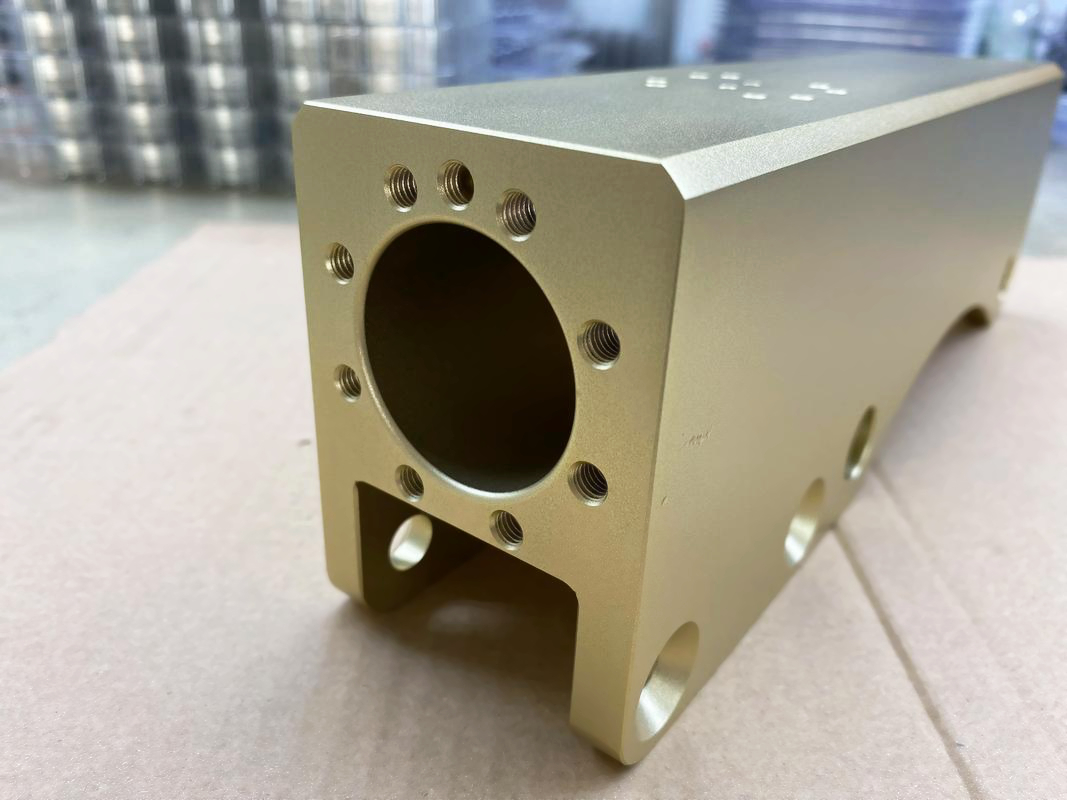
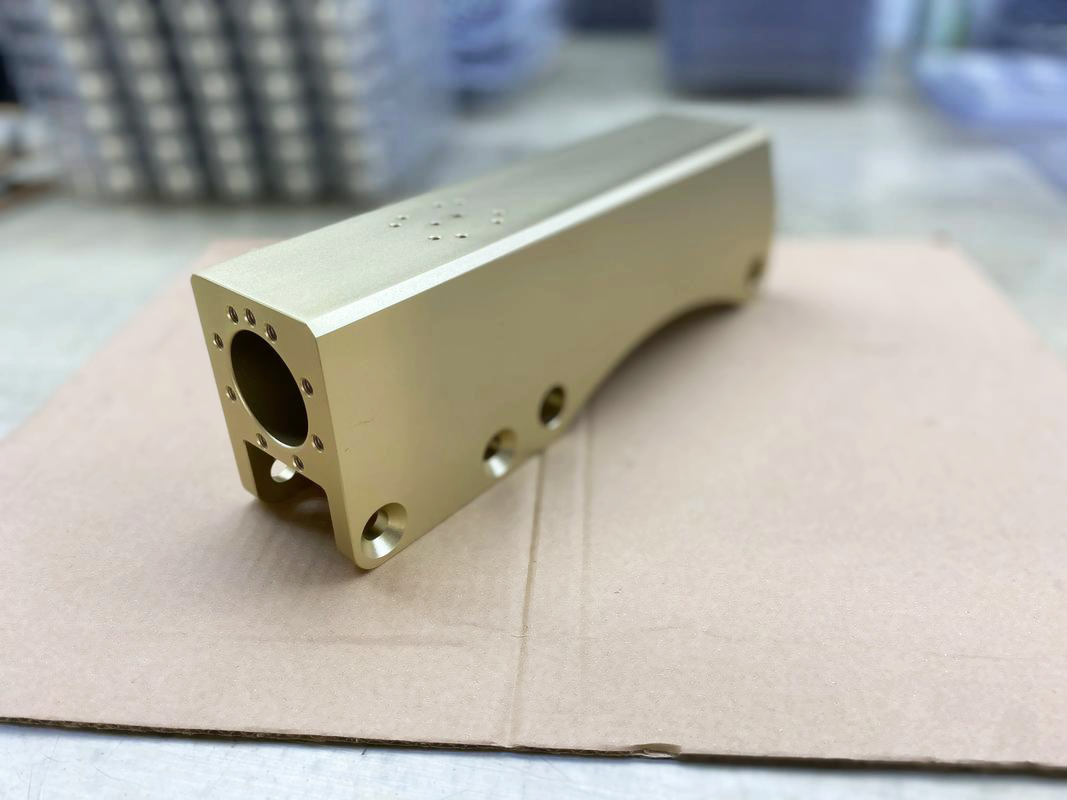
Buyers can reduce quote changes by sending the finish requirement as part of the finished component scope. The anodizing supplier needs to know which surfaces are cosmetic, which features are functional and which dimensions must be checked after finishing. For parts that also need casting and machining, these details should be reviewed before production starts.
For a more complete quote package, buyers can review anodizing price estimate factors and trial anodizing samples for quote evaluation.
Aluminum Anodizing RFQ Checklist
RFQ Information | What to Provide | Why It Matters |
|---|---|---|
Part drawing | PDF drawing with finish notes and dimensions | Shows tolerances, threads, bores and surfaces |
Alloy | 6061, 6063, 7075, A380, ADC12, A356-T6 or equivalent | Changes appearance and coating response |
Anodizing type | Type II, Type III hardcoat or customer standard | Controls process cost and thickness risk |
Color | Clear, black, natural, dyed color or sample target | Controls dye process and visual approval |
Sealing | Sealed condition or required corrosion performance | Affects durability and dye stability |
Masking | Threads, bores, grounding points and sealing faces | Prevents fit and conductivity problems |
Quantity | Prototype, pilot batch, production batch and annual volume | Changes minimum charge and racking strategy |
Inspection | Thickness report, visual standard, gauge check or certificate | Defines acceptance evidence |
Details That Prevent Quote Changes
The most useful quote details are the ones that prevent hidden work from appearing later. If threads must remain bare, mark them. If a front face is cosmetic, name it. If the part will be assembled with a dowel pin, state whether the hole dimension is final after anodizing. If a black finish must match another part, provide the comparison sample or shade requirement.
Surface preparation should also be included. Anodizing will not hide scratches, casting pores or machining marks. If the buyer expects brushed, polished, blasted or machined appearance, that surface state should be defined before anodizing. Otherwise, two suppliers may quote the same anodizing type but include different preparation work.
Buyers should also state what is flexible. For example, the color may be fixed but the exact thickness may follow the supplier's standard Type II range, or the thickness may be fixed but the color is only natural clear. Stating which requirements are mandatory and which are adjustable helps the supplier recommend a lower-risk route. Without this information, suppliers may quote conservatively and include extra cost.
Special Information for Cast Aluminum
For cast aluminum, the quote should include the alloy and casting route. A380, ADC12 and other high-silicon die casting alloys may not produce the same decorative result as 6061 or 6063. If the part has visible surfaces, the buyer should ask for sample approval and define acceptable pores, marks and color variation.
If the cast part has post-machined faces, the RFQ should identify which surfaces are machined and which remain as-cast. Different surface textures can anodize differently. A supplier cannot quote cosmetic risk accurately without knowing which surfaces will be judged by the customer.
Cast aluminum RFQs should also identify whether pressure-tight or sealing areas exist. A sealing face may need machining before finishing, masking during anodizing or inspection after finishing. If the buyer needs a leak test or gasket contact surface, the anodizing quote should not ignore those features. They may decide whether coating is allowed, masked or controlled by a final inspection step.
Common RFQ Mistakes
Common RFQ mistakes include omitting the alloy, asking for black anodize without a sample standard, failing to mark masked holes, not stating sealing, and sending only a 3D model without the 2D finish notes. Another mistake is asking multiple suppliers for "anodizing cost" while giving each supplier different assumptions about surface preparation and inspection. The buyer then receives prices that cannot be compared fairly.
A better RFQ package includes a marked drawing, finish specification, quantity table and acceptance standard. If the buyer needs prototype, pilot and production pricing, those quantities should be separated. The quote can then show how minimum charges, racking and repeatability affect cost at each stage.
How Neway Uses RFQ Information
Neway can use the RFQ information to connect anodizing with casting, machining, masking, surface preparation and inspection. For a finished aluminum part, the quote should not separate anodizing from the features that must assemble after anodizing. A complete RFQ helps buyers compare suppliers on the same scope and avoid quote revisions after parts are already made.