What Should Be Included in a Type II Anodizing RFQ?
What Should Be Included in a Type II Anodizing RFQ?
A Type II anodizing RFQ should include aluminum alloy, drawing, quantity, color, coating thickness, sealing requirement, surface preparation, masking areas, critical dimensions, visible surfaces, inspection requirements and service environment. If the part is cast aluminum, the RFQ should also include the casting alloy, surface condition and cosmetic acceptance level.
Buyers should avoid sending only a note such as "Type II black anodize." That note does not explain whether the part needs sealing, exact thickness, color sample approval, masked threads, final coated dimensions or coating inspection. The supplier may quote a basic finish, but the price and lead time can change after drawing review.
A strong RFQ makes the finished-part requirement visible. It tells the supplier what the finish must do, which features must stay functional and which surfaces will be judged by the customer. This is especially important for parts that include casting, CNC machining and anodizing in one production route.
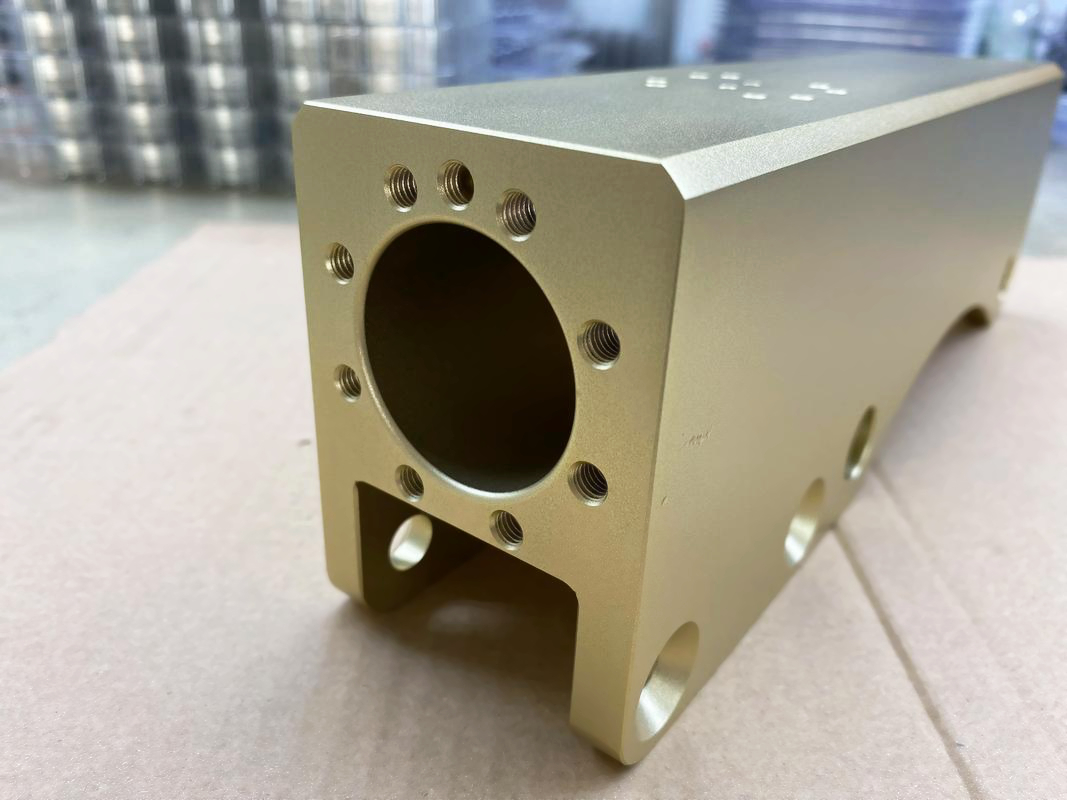
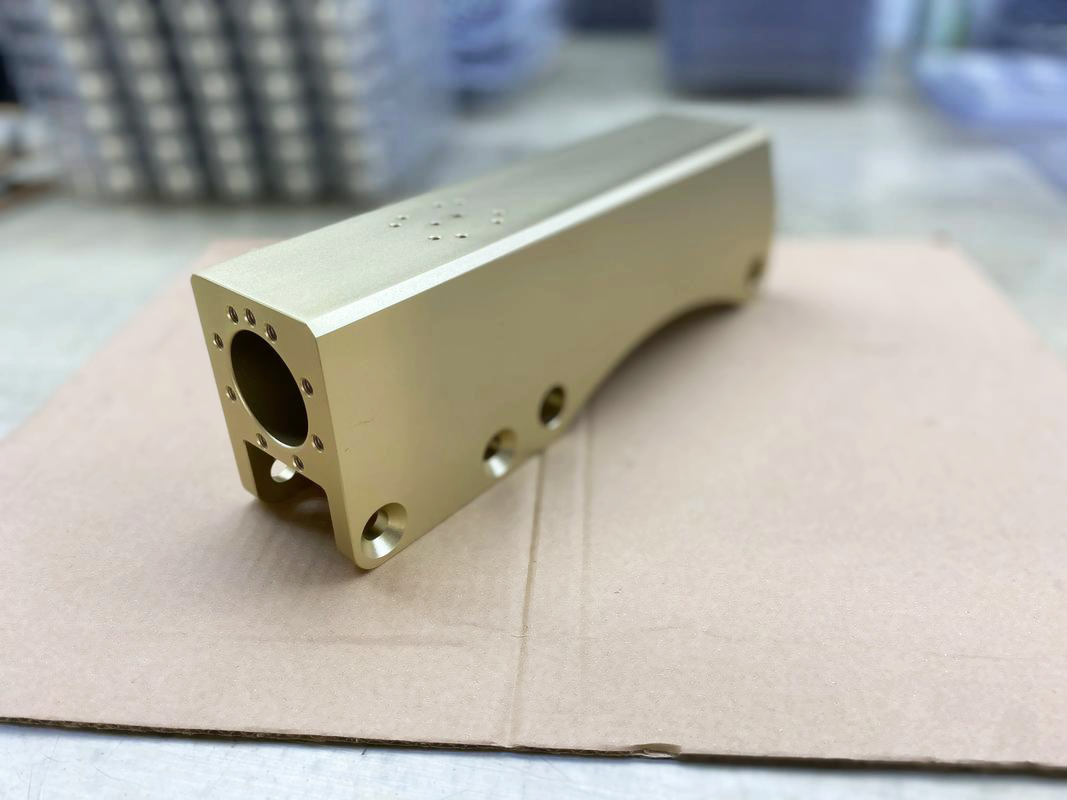
For quote preparation, buyers can review drawing details needed for anodized cosmetic surfaces and trial anodizing samples for quotation evaluation.
Type II RFQ Checklist
RFQ Item | What to Provide | Why It Matters |
|---|---|---|
Alloy grade | 6061, 6063, 7075, A380, ADC12 or other aluminum | Changes color, corrosion and finish consistency |
Drawing | 2D drawing with finish notes and tolerances | Shows critical dimensions and masked areas |
Color | Clear, black, dyed color or sample target | Controls visual approval |
Thickness | Target Type II range or standard reference | Affects protection and fit |
Sealing | Required sealed condition or corrosion expectation | Improves dye stability and corrosion resistance |
Masking | Threads, bores, grounding pads and sealing faces | Prevents assembly and electrical problems |
Visible surfaces | Cosmetic faces and acceptable defects | Controls surface preparation and inspection level |
Inspection | Thickness report, visual check, gauge check or certificate | Defines acceptance evidence |
Details That Improve Quote Accuracy
The most useful details are the ones that remove assumptions. If a threaded hole must remain bare, mark it. If a front panel is cosmetic but the inside ribs are not, identify the cosmetic face. If the final part must match another anodized component, provide the sample or state that the parts are assembled together. If dimensions apply after anodizing, mark the features that must be checked after finish.
Surface preparation should also be named. Brushed, blasted, machined and polished surfaces produce different Type II appearances. A supplier cannot quote the correct finish if the RFQ says only "black anodize" but the buyer expects a premium brushed cosmetic surface.
Buyers should also state the production stage. A prototype RFQ may focus on confirming color and fit. A pilot batch may need first article inspection and masking validation. A repeat production RFQ may need retained color master, packaging rules and batch inspection frequency. These stages do not have the same quote assumptions, even when the finish note is identical.
Special Notes for Cast Aluminum
For cast aluminum, buyers should identify the casting alloy and appearance requirement. A380 and ADC12 may not produce the same anodized result as 6061. If the part is cosmetic, ask for sample approval before production. If pores or color variation are acceptable on hidden areas, state that clearly so the supplier does not over-price the whole part as premium cosmetic.
If the cast part also has machined surfaces, identify which surfaces are machined and which remain as-cast. Different textures can look different after anodizing. This matters for housings, covers and parts where one face is visible and another face is hidden.
The RFQ should also state whether another finish is acceptable if Type II cannot meet the appearance target. For example, a die cast A380 cover may be better suited to powder coating if uniform black appearance is mandatory. Giving the supplier permission to recommend an alternative can save time, especially when the buyer is still choosing the final manufacturing route.
Supplier Confirmations Before Order Release
Before releasing the order, buyers should ask the supplier to confirm alloy suitability, color target, sealing condition, coating thickness, masked areas, inspection evidence and handling method. If the supplier cannot confirm the finish on the selected alloy, a sample should be made before a production batch. If the supplier assumes dimensions apply before anodizing but the buyer expects final coated dimensions, that conflict must be resolved before machining.
A good Type II anodizing quote should also identify exclusions. For example, it may exclude heavy polishing, color matching to a different alloy or thread chasing after anodizing. Exclusions are useful because they show what the buyer must decide before comparing prices.
If the buyer needs those excluded items, they should be added before order release, not discovered after finished parts arrive.
Neway RFQ Support for Type II Anodizing
Neway can review Type II anodizing RFQs with anodizing, machining, casting, masking and inspection requirements together. A complete RFQ helps buyers compare suppliers on the same scope, reduce quote revisions and avoid finished parts that look correct but fail fit, color or inspection requirements.