When Should Buyers Choose Type 2 Anodizing for Aluminum Parts?
When Should Buyers Choose Type 2 Anodizing for Aluminum Parts?
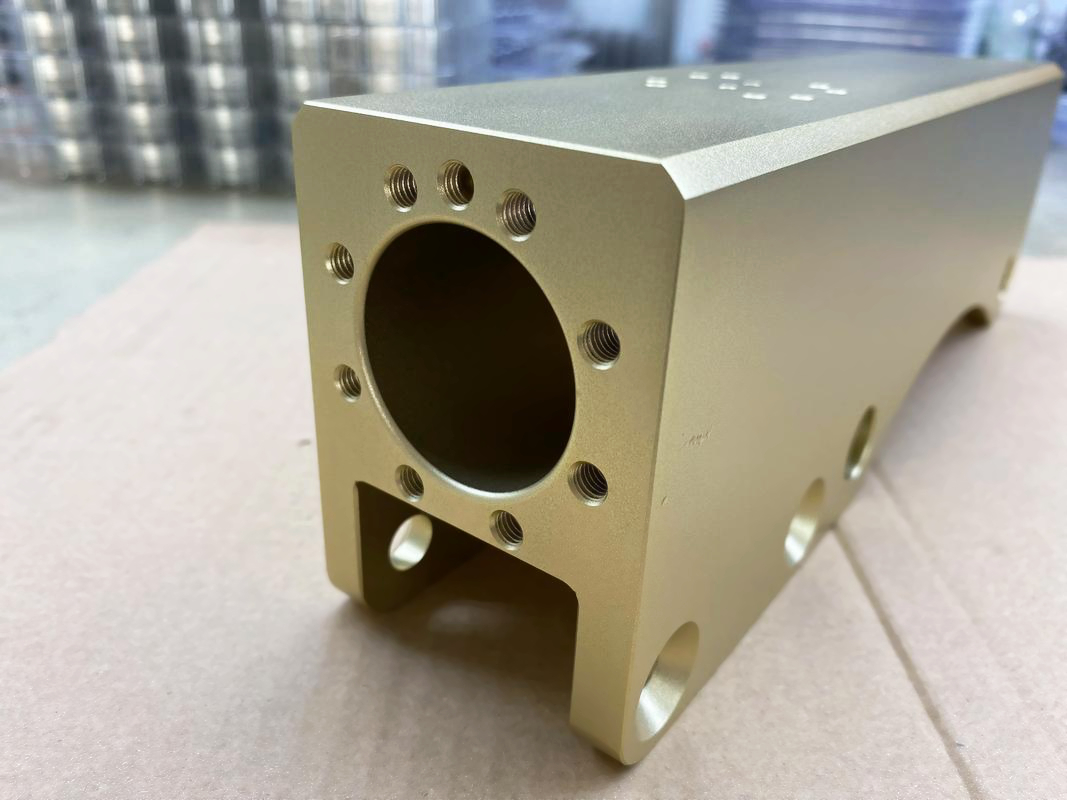
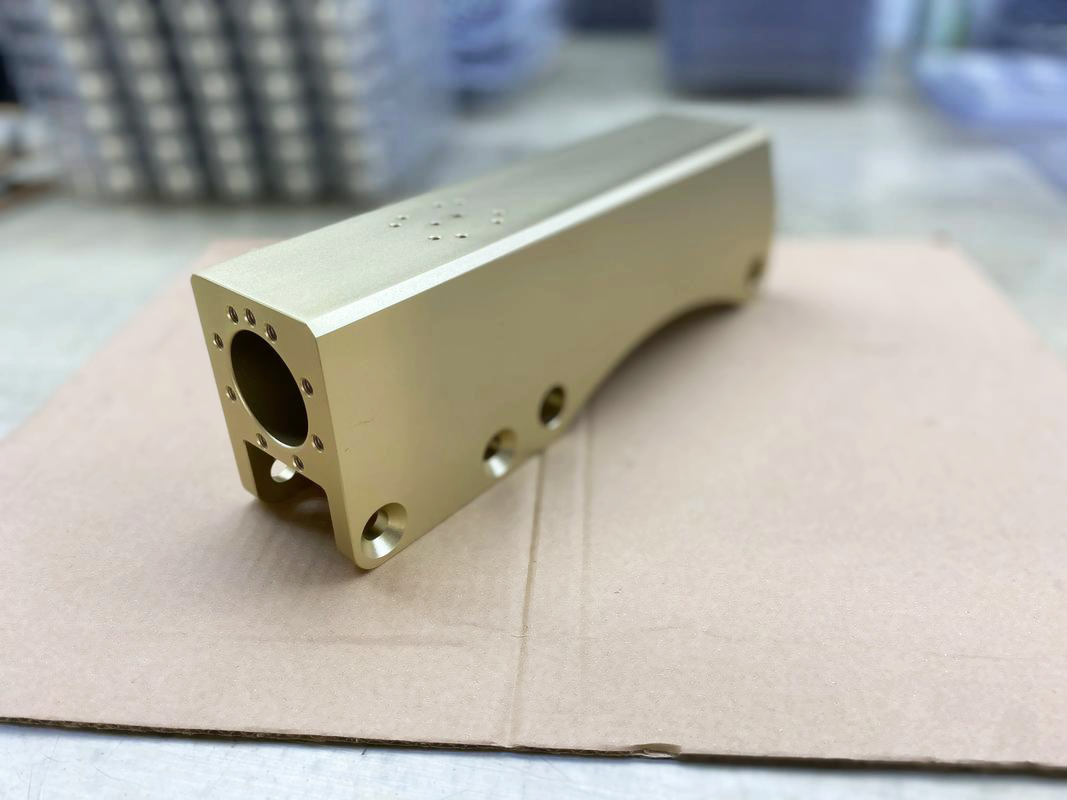
Buyers should choose Type 2 anodizing when aluminum parts need decorative color, moderate corrosion protection, improved surface durability and lower coating thickness without the heavy wear-resistance requirement of Type 3 hardcoat anodizing. It is commonly used for enclosures, covers, panels, brackets, lighting parts, consumer products and visible aluminum components.
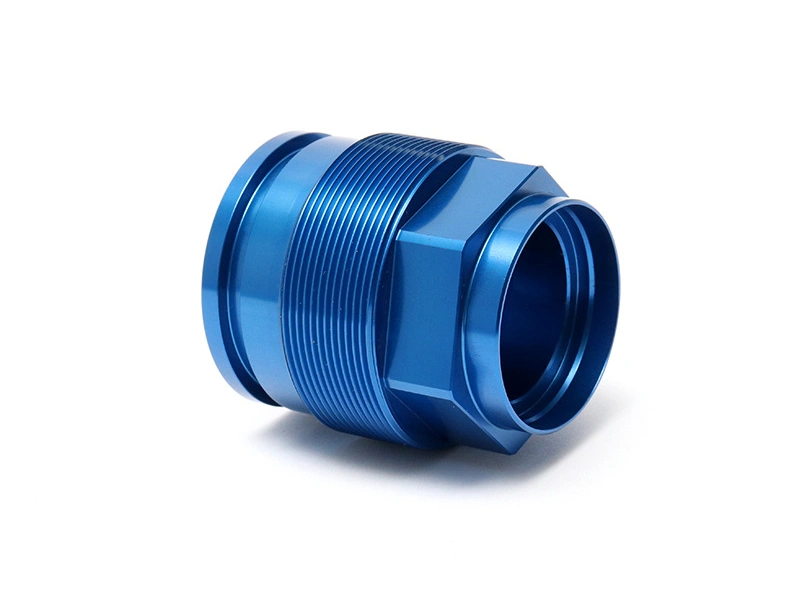
Type 2 anodizing is usually sulfuric acid anodizing. It is often discussed around 5 to 25 microns, depending on specification, alloy and supplier process. This thinner coating direction makes it easier to manage cosmetic appearance and dimensional fit compared with thicker hardcoat anodizing. It is also more commonly used for dyed finishes such as black, clear, red, blue or other decorative colors, although actual color depends strongly on alloy and surface preparation.
Buyers should choose Type 2 when appearance and corrosion protection are important, but the surface is not a heavy sliding or abrasive wear surface. A machined aluminum enclosure, control panel, heat sink cover or visible bracket may benefit from Type 2 anodizing because the finish can improve appearance and surface protection without the thickness and cost of Type 3.
For related decisions, buyers can review anodizing benefits for durability, corrosion resistance and aesthetics and drawing details for cosmetic anodized aluminum surfaces.
Type 2 Anodizing Use Cases
Part Requirement | Why Type 2 Fits | Buyer Check |
|---|---|---|
Decorative appearance | Supports dyed colors and controlled visual finish better than hardcoat in many cases | Approve color sample and visible surface standard |
Moderate corrosion protection | Improves aluminum surface protection when properly sealed | Confirm sealing requirement and working environment |
Lower thickness impact | Usually creates less fit risk than Type 3 hardcoat | Still review holes, threads and close-fit surfaces |
Consumer or electronic enclosure | Combines appearance, tactile feel and surface protection | Define color, gloss and scratch acceptance |
Cost-sensitive finish | Usually lower cost than Type 3 when wear resistance is not required | Do not use Type 2 if abrasion is the main failure mode |
Type 2 is not automatically cosmetic-only. It can still improve corrosion behavior and surface durability, especially when sealed correctly. However, if the part has rails, sliding contact, abrasive motion, high-cycle wear or heavy-duty industrial use, Type 3 should be reviewed instead. The buyer should define how the part fails in real use before selecting the anodizing type.
Alloy selection also matters. 6061 and 6063 generally anodize more predictably for cosmetic requirements than many high-silicon cast aluminum alloys. Cast alloys such as A380 or ADC12 may anodize darker or less uniformly. If the buyer needs a premium appearance on a cast aluminum part, the supplier should review surface condition and may recommend another finish if anodizing cannot meet the cosmetic target.
Surface preparation should be planned with the same care as color. Machining marks, polishing direction, blasting texture, scratches and small dents can remain visible after anodizing. Type 2 does not cover the part like paint; it converts the surface. If the visible face is important, the buyer should define whether the surface should be machined, brushed, blasted or polished before anodizing.
Type 2 Anodizing Risks
The most common Type 2 risk is assuming that color will match perfectly across different alloys, batches, surface textures or machining directions. Anodizing is a conversion process, so the aluminum surface itself affects the final result. Scratches, polishing marks, casting pores and repair areas can remain visible. A finish sample is useful when appearance matters.
Another risk is ignoring fit. Type 2 is thinner than Type 3, but it still changes dimensions. Fine threads, dowel holes, small bores and tight sliding features should be reviewed. If a feature cannot tolerate coating buildup, it may need masking or post-processing. Buyers should mark these features on the drawing instead of relying on a general note.
Buyers should also define sealing. Sealing improves corrosion resistance and dye stability, but the correct sealing direction should match the application. A decorative black housing, a clear anodized panel and a part exposed to outdoor humidity may not use the same acceptance logic. If salt spray, cleaning chemicals or outdoor exposure matter, the RFQ should state the environment instead of only naming Type 2.
Type 2 RFQ Details
A useful Type 2 RFQ should include alloy, finish color, visible surfaces, target thickness, sealing requirement, masking locations, quantity and sample approval requirement. If the part is cast aluminum, the RFQ should say whether cosmetic uniformity or corrosion protection is more important. This helps the supplier warn the buyer if the alloy or casting surface may not support the desired look.
Buyers should also state whether the finish is for an internal part or a customer-facing part. Customer-facing parts usually need stronger color and surface standards.
Neway can help buyers review anodizing requirements, aluminum alloy, visible surfaces, color target, sealing requirement and masking points before production. Type 2 anodizing works best when it is selected for the right reason: decorative and moderate protective performance with controlled thickness and realistic appearance expectations.