When Should Buyers Choose Type 3 Anodizing for Aluminum Parts?
When Should Buyers Choose Type 3 Anodizing for Aluminum Parts?
Buyers should choose Type 3 anodizing when aluminum parts need hardcoat protection for wear resistance, sliding contact, abrasion, repeated handling, functional insulation or a customer-required Type III finish. It is best treated as an engineering coating for working surfaces, not as a decorative color upgrade. If the part only needs black appearance or moderate corrosion protection, Type II anodizing may be more practical.
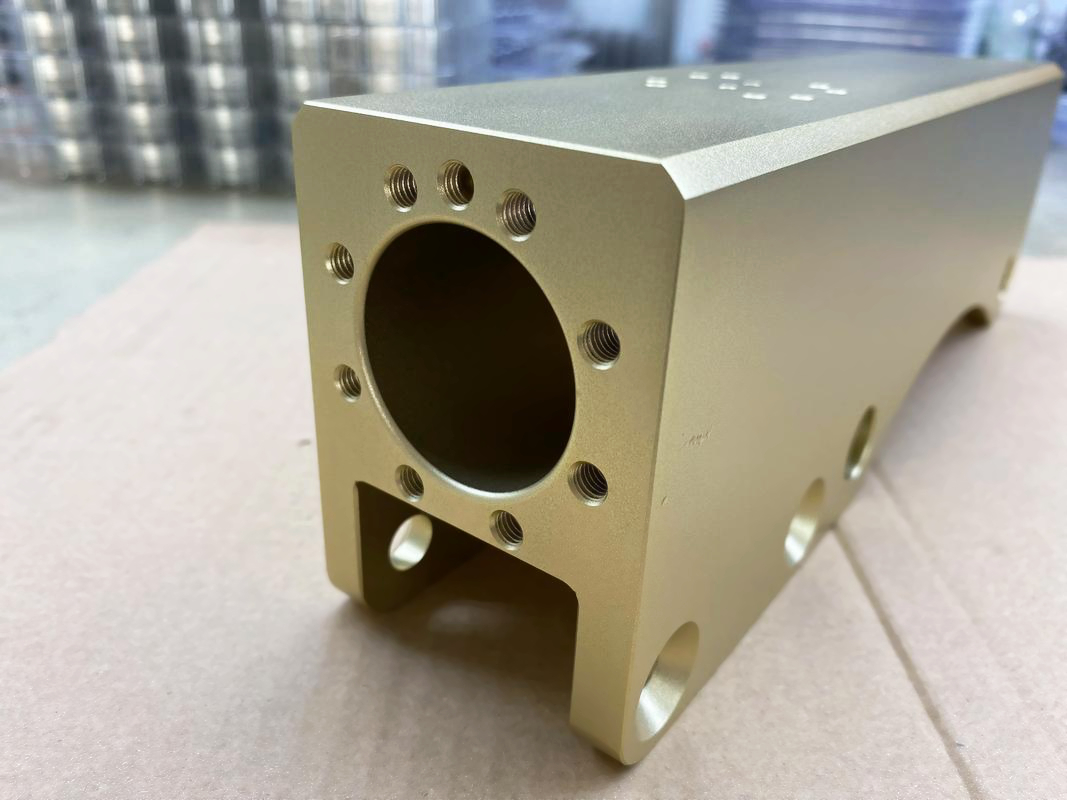
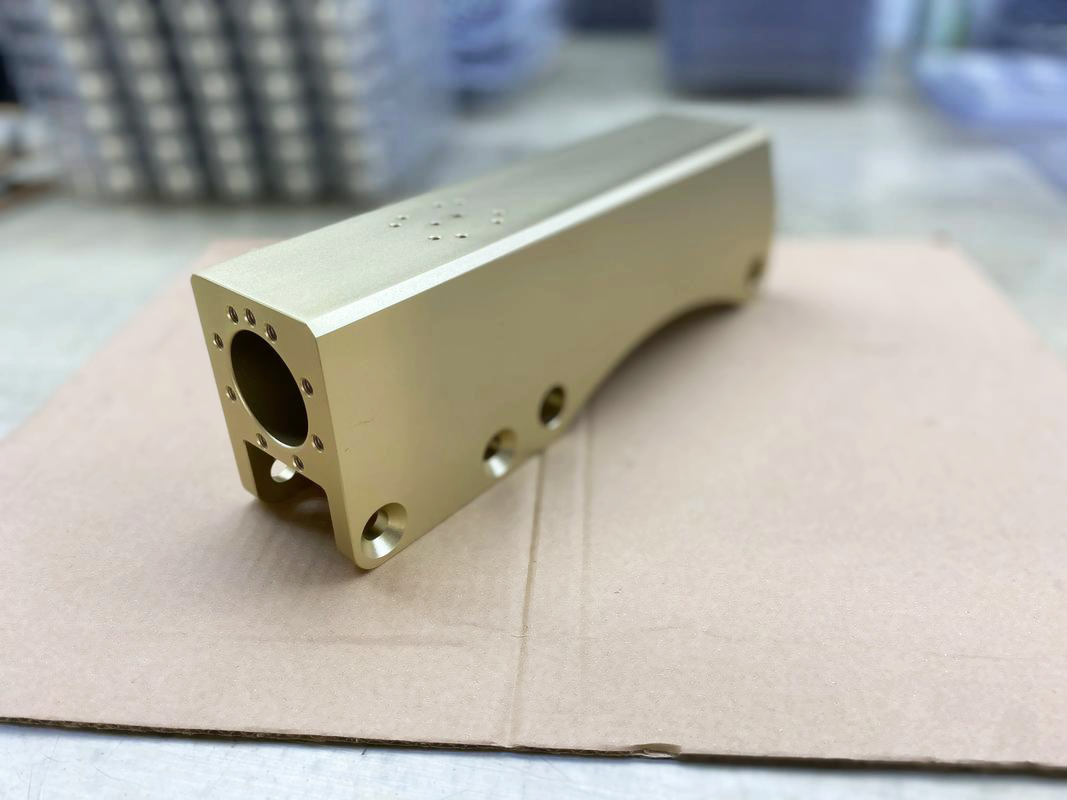
Type 3 anodizing is commonly used for aluminum guide blocks, sliding rails, wear plates, actuator components, fixtures, valve parts, tooling parts and hardware with repeated contact. It creates a thicker and harder oxide layer than standard decorative anodizing. That hard layer can protect aluminum surfaces, but it also changes dimensions and may require masking.
The decision should start with the part's use condition. If the surface rubs, slides, contacts other parts, sees abrasive handling or needs an insulating oxide layer, Type III may be justified. If the part sits inside an enclosure and only needs a clean black finish, Type III may add cost and tolerance risk without functional benefit.
For Type III decisions, buyers can review Type III hard anodizing dimensional changes and Type III hard anodizing cost compared with Type II.
Type 3 Selection Table
Part Requirement | Type III Fit | Buyer Check |
|---|---|---|
Sliding surface | Good candidate for hardcoat | Identify sliding faces and clearance |
Wear resistance | Hardcoat can protect aluminum | Define target thickness and wear condition |
Electrical insulation | Anodic oxide can insulate | Mask surfaces that must remain conductive |
Decorative black color | Usually not the main reason for Type III | Review Type II if appearance is the main goal |
Customer hardcoat callout | Must follow drawing or standard | Confirm documentation and inspection requirement |
Tight bores or threads | Possible, but needs planning | Mask or define final coated dimensions |
When Type 3 Is Worth the Cost
Type 3 is worth the cost when the hardcoat prevents wear, protects a critical surface or satisfies a real standard. A sliding 6061 aluminum guide can fail quickly with only a cosmetic finish. A hardcoated working face may extend service life and reduce metal wear. In that case, the higher finish cost can be justified by function.
Hardcoat is also justified when the customer drawing requires it. If the drawing calls for MIL-A-8625 Type III or another hardcoat specification, the supplier should not substitute Type II without approval. The buyer should confirm thickness, sealing if applicable, color expectations, masking and inspection records before release.
When Type 3 Is Not the Best Choice
Type 3 is not the best choice when the buyer wants decorative color, low-cost appearance or a simple commercial anodized finish. Hardcoat may not produce the same color flexibility as Type II dyed anodizing, and it can create tolerance issues. If the part is a visible cover with no wear requirement, Type II, powder coating or painting may be a better route.
Type 3 may also be risky if the part has many small threads, precision bores and tight sliding clearances that were not designed for coating thickness. These parts can still be hardcoated, but the drawing needs masking and final dimension control. Without that control, the coating can create assembly failure.
Another weak use case is a part with premium cosmetic color requirements. Type III hardcoat may produce gray, dark, olive or blackish tones depending on alloy and process, but it is not the same as dyed Type II anodizing. If the buyer needs a consistent decorative black finish on a visible enclosure, Type II, painting or powder coating may be easier to control. Hardcoat should be chosen because the surface works hard, not because the word sounds premium.
Questions Before Choosing Type 3
Before choosing Type 3, buyers should ask which surfaces wear, which features control fit, whether coating thickness is included in the tolerance plan, whether any surface must stay conductive and what inspection evidence is required. A hardcoat decision is incomplete if it does not identify coated and uncoated zones.
Buyers should also ask whether the selected alloy supports the intended result. A 6061 machined wear block is often a straightforward hardcoat candidate. A high-silicon die casting with cosmetic expectations is more uncertain. If the part is customer-controlled, the buyer should confirm whether the hardcoat standard, sealing condition and documentation match the drawing.
Example of a Good Hardcoat Decision
A good hardcoat decision might coat the sliding face of a 6061 positioning block while masking threaded holes and checking a dowel hole after finishing. This uses Type III where wear protection matters and avoids coating features that would create assembly risk. The buyer pays for hardcoat value, not for unnecessary all-over coating.
Neway Support for Type 3 Selection
Neway can help buyers review Type 3 anodizing with aluminum alloy, machining, masking and inspection requirements. The best use of hardcoat is selective and functional: coat surfaces that need protection, protect features that need fit, and document the finish evidence needed for production approval.