Which Aluminum Alloys Are Suitable for Type 3 Hardcoat Anodizing?
Which Aluminum Alloys Are Suitable for Type 3 Hardcoat Anodizing?
Several aluminum alloys can be considered for Type 3 hardcoat anodizing, but the result depends on alloy chemistry, part function, machining condition and specification requirements. 6061 is commonly used for machined hardcoated components. 7075 may be selected when higher strength is needed, but corrosion and coating behavior should be reviewed. Die casting alloys such as A380 or ADC12 need special caution because silicon content and casting defects can affect coating uniformity and appearance.
Buyers should not choose an alloy only because it can be anodized. The part must also meet strength, machining, cost, corrosion and assembly requirements. Type III hardcoat is usually chosen for functional surfaces, so alloy selection should support the working load and the coating process together.
Hardcoat color can vary by alloy and thickness. Unlike decorative Type II dyed anodizing, Type III is usually judged more by functional protection than by exact color. If appearance matters, buyers should request samples and define a realistic visual standard.
For alloy suitability, buyers can review testing aluminum alloy grades for anodizing and A380 and ADC12 anodizing color variation.
Alloy Suitability Table
Alloy | Hardcoat Consideration | Buyer Decision Point |
|---|---|---|
6061 | Common for machined hardcoated aluminum parts | Good starting point for many functional components |
7075 | Higher strength, but needs corrosion and process review | Confirm standard, sealing and service environment |
6063 | Can be anodized, often used for profiles | Review whether Type II or Type III is the real need |
A356-T6 | May be considered for cast structural parts | Validate coating on actual casting |
A380 / ADC12 | Die casting alloy may create coating and appearance variation | Use testing and realistic acceptance criteria |
Why 6061 Is Common for Hardcoat
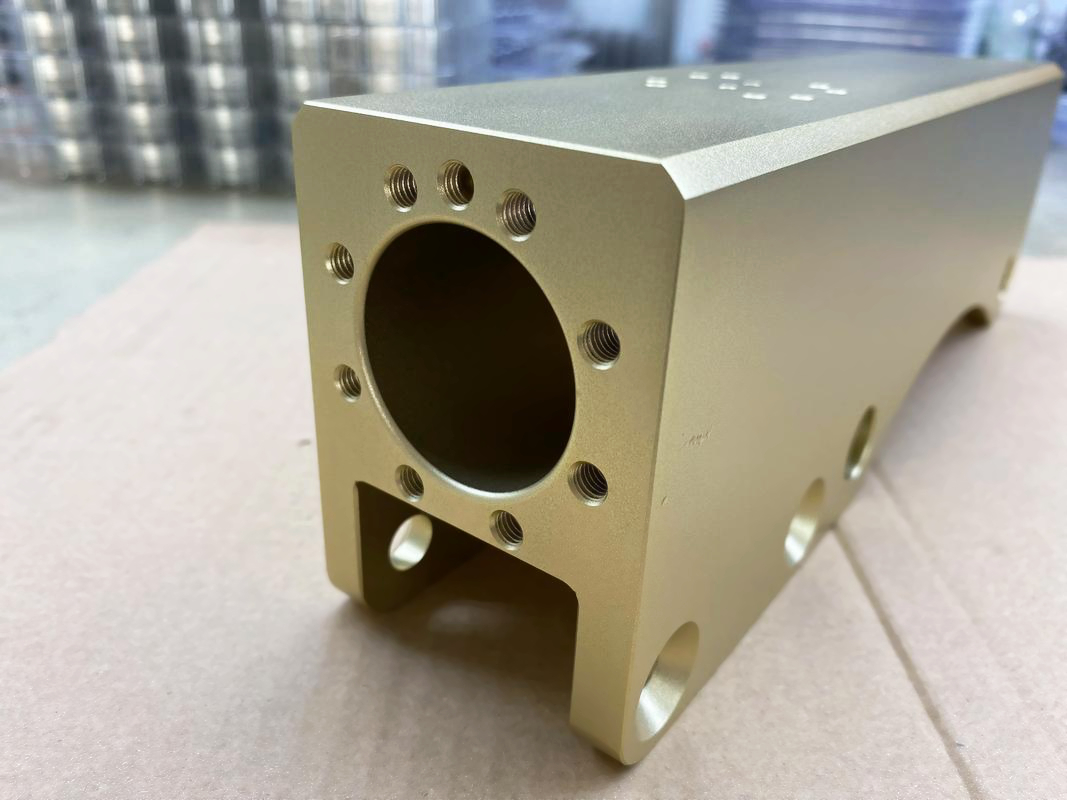
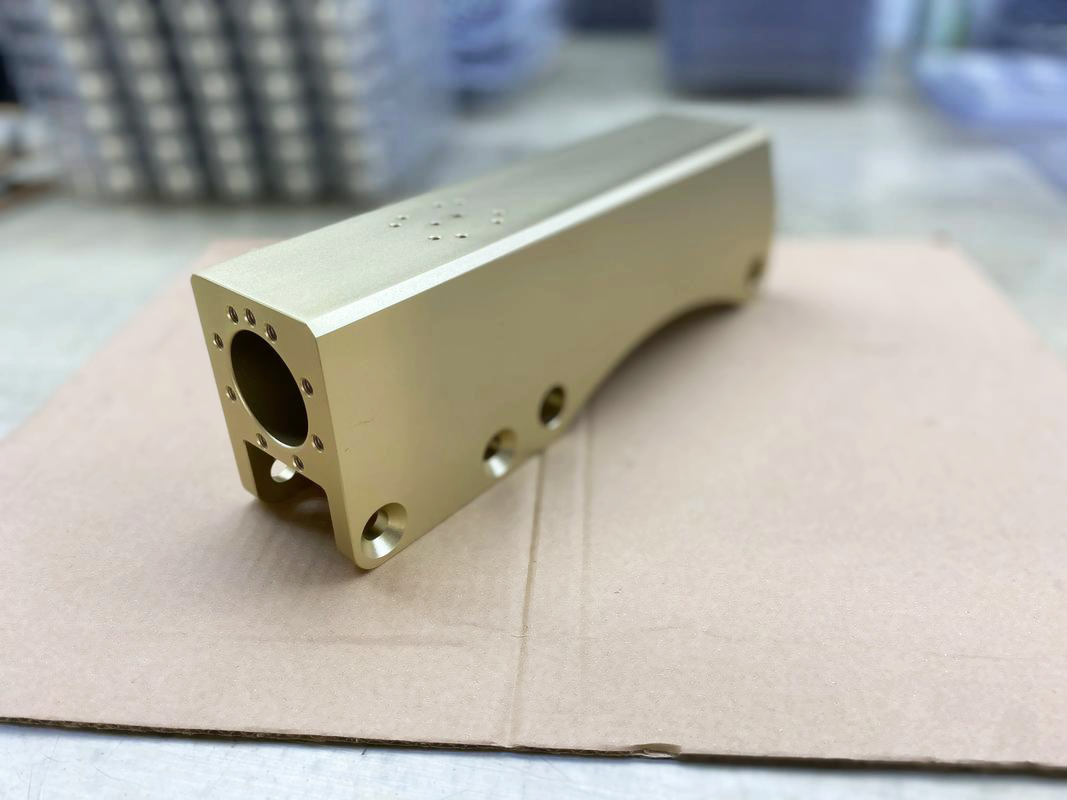
6061 is common because it balances machinability, availability, strength and anodizing response. Many hardcoated parts begin as CNC machined 6061 components with wear faces, slots, guide surfaces or mounting features. The alloy is not perfect for every case, but it is often a practical starting point.
Buyers using 6061 should still define coating thickness, masking and final dimensions. The alloy may be suitable, but hardcoat can still create fit issues if features are not planned. A good material choice does not replace drawing control.
7075 may be selected when strength is more important than ease of processing. For 7075 parts, buyers should review the service environment, corrosion protection, sealing requirements and customer specifications. It may be a strong material choice for certain components, but the hardcoat requirement should be validated with the supplier rather than assumed from 6061 experience.
Cast Aluminum Hardcoat Caution
Cast aluminum can be more difficult for hardcoat because the surface may contain pores, silicon-rich areas and machining transitions. If the hardcoat is needed on a functional wear face that is machined clean, the route may be feasible. If the buyer expects uniform cosmetic hardcoat over an entire die casting, the risk is higher.
For cast parts, testing on representative production castings is important. A sample made from wrought 6061 does not prove that an A380 casting will coat the same way. Buyers should also define whether appearance matters or whether the hardcoat is judged by function and thickness.
A casting may still use hardcoat successfully when the functional surfaces are machined and the acceptance standard is realistic. For example, a cast housing may need hardcoat on a machined sliding pad, while the rest of the casting receives another finish. This approach is different from expecting uniform hardcoat appearance over every as-cast surface.
Alloy Change Risk
Changing alloy after hardcoat approval can create risk. A substitute material may machine differently, coat differently, change color or require different corrosion controls. If the project has a customer-approved hardcoat process, alloy substitution should be treated as an engineering change. Buyers should not let purchasing substitutions silently change the finish performance.
The RFQ should therefore include both the alloy and any acceptable equivalents. If equivalents are allowed, the supplier should confirm hardcoat feasibility before quoting production. This avoids a situation where a lower material cost creates higher finishing risk.
Application-First Material Selection
Material selection should start with the application. A sliding guide may need a machinable alloy and a stable hardcoat surface. A high-load bracket may need strength first and hardcoat second. A die cast housing may need casting efficiency, but only selected machined surfaces may need hardcoat. The best alloy is the one that satisfies the mechanical requirement and can still support the required finish.
Buyers should also decide whether color matters. If the part is judged by wear performance, color variation may be acceptable. If the part is customer-visible, the buyer should not assume Type III will provide decorative consistency.
The material decision should follow the working requirement before cosmetic preference is considered.
Color is secondary for most hardcoat applications.
Neway Material Review for Hardcoat
Neway can help buyers review alloy choice, casting route, machining allowance and Type III anodizing requirements together. The best hardcoat result comes from matching alloy, surface condition and functional coating requirements before the part is released for production.