Which Aluminum Alloys Work Best With Type II Anodizing?
Which Aluminum Alloys Work Best With Type II Anodizing?
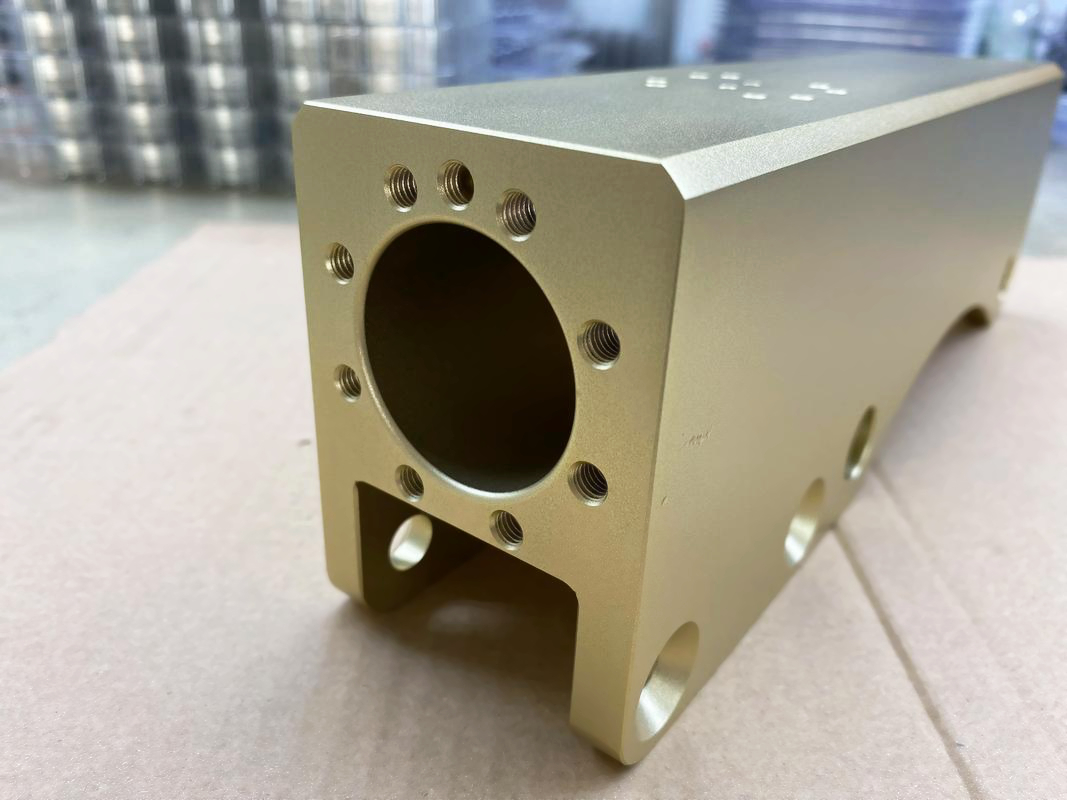
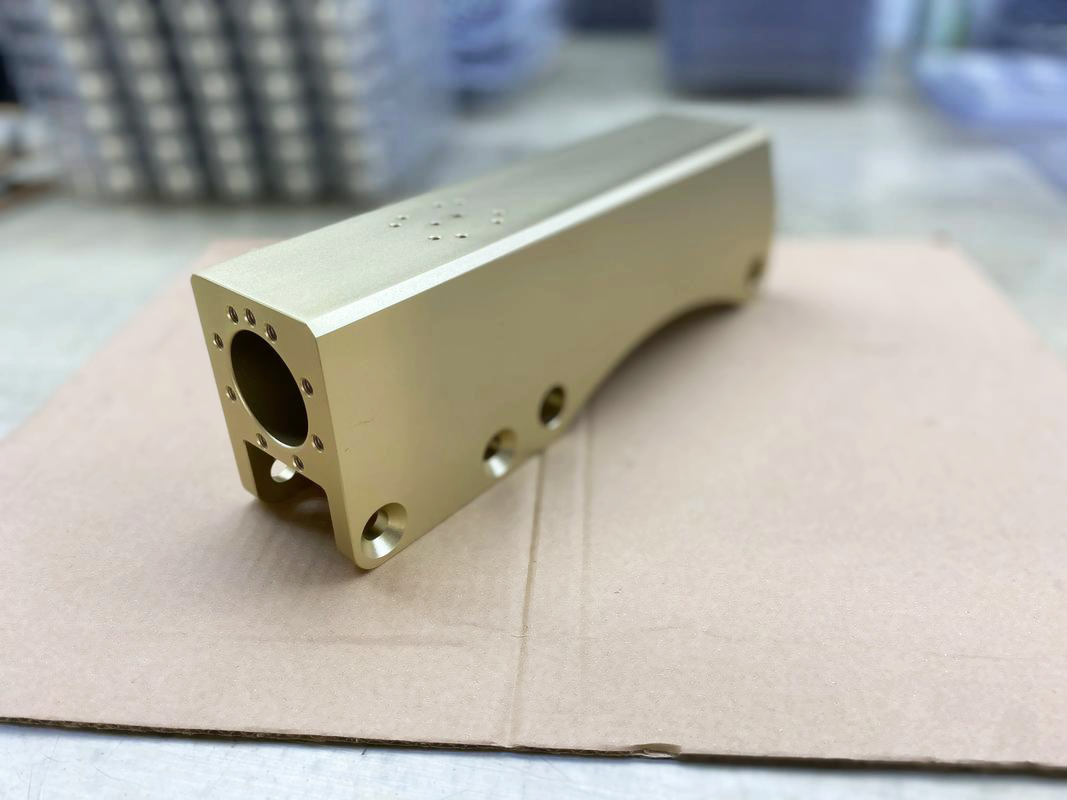
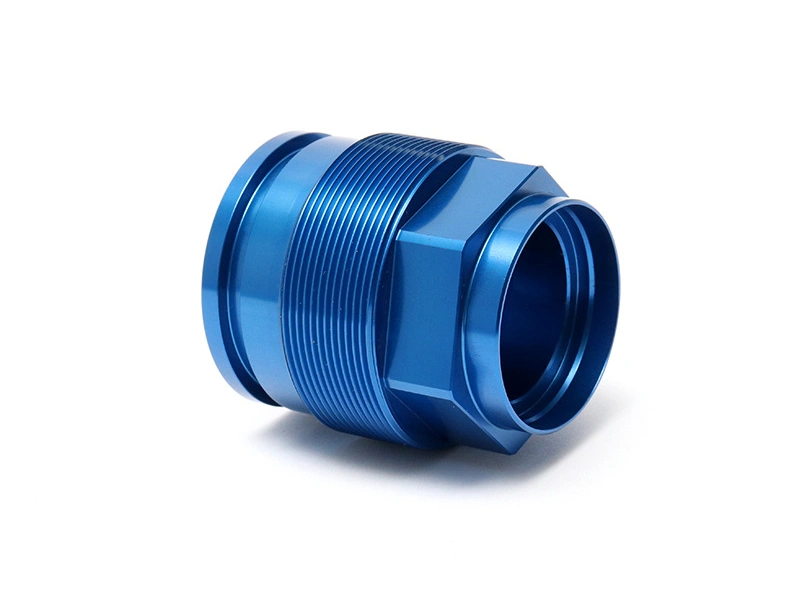
6061 and 6063 are often good choices for Type II anodizing when buyers need clear, black or dyed aluminum finishes. These wrought alloys usually give more predictable appearance than high-silicon die casting alloys. 7075 can be anodized but needs review for corrosion, color and specification requirements. Cast aluminum alloys such as A380 and ADC12 may anodize darker or less uniformly, especially when the part has cosmetic surfaces.
There is no single best alloy for every Type II anodizing project. The right alloy depends on the part function, manufacturing route, strength requirement, surface finish expectation and cost target. Buyers should review anodizing response before finalizing material, especially when visible appearance is important.
Alloy differences matter because anodizing converts the aluminum surface into an oxide layer. Elements such as silicon, copper and zinc can affect color, corrosion behavior and finish uniformity. Surface condition also matters. A polished 6061 part, a machined 7075 part and an A380 die casting will not look the same after the same Type II note.
For alloy screening, buyers can review metals best suited for anodizing surface treatment and testing and selecting aluminum alloy grades for anodizing.
Alloy Response Table
Alloy | Type II Anodizing Behavior | Buyer Decision Point |
|---|---|---|
6061 | Common and predictable for many machined parts | Good starting point for clear or black finish |
6063 | Often good for decorative anodized appearance | Useful for profiles, covers and visible parts |
7075 | Can be anodized, but corrosion and color need review | Confirm application and sealing requirements |
A380 | High silicon can create darker or uneven appearance | Use sample approval or consider powder coating |
ADC12 | Similar die casting appearance concerns | Do not expect 6061-style cosmetic results |
A356-T6 | May be considered for cast parts, but surface condition matters | Validate actual casting before production |
Why 6061 and 6063 Are Common
6061 and 6063 are widely used for Type II anodizing because they can provide stable appearance when machining and surface preparation are controlled. 6061 is common for machined parts, brackets and housings. 6063 is often used where decorative appearance is important, such as extruded profiles or visible covers.
Even with these alloys, buyers should not ignore surface preparation. Tool marks, scratches and polishing differences remain visible. If several parts must match, the supplier should use a retained color sample and consistent surface preparation. Alloy choice helps, but it does not replace finish control.
6061 is often chosen when a part also needs CNC machining, strength and general availability. 6063 is often chosen when the product form and appearance are important, especially for profiles or covers. If the buyer can choose the alloy before design release, the finish requirement should be included in that decision. Choosing an alloy only for mechanical properties and discovering finish problems later can create redesign or coating changes.
Cast Aluminum Alloy Caution
Die casting alloys such as A380 and ADC12 are selected for casting performance, not premium anodized appearance. They may contain silicon and other elements that affect color uniformity. Cast surfaces can also include pores, flow marks and parting line cleanup. Type II anodizing may make these issues visible.
This does not mean cast aluminum cannot be anodized. It means buyers should validate the actual cast part before promising a cosmetic result. If the product needs a uniform black appearance, powder coating or painting may be more reliable. If the finish is functional or non-cosmetic, Type II may still be acceptable with realistic inspection limits.
For cast aluminum, buyers should also consider which surfaces are actually visible. A die cast electronics cover may have a visible outside face and hidden internal ribs. The outside face may need controlled finishing, while the ribs may only need basic protection. Separating these zones can reduce cost and prevent unrealistic expectations for the whole casting.
How Application Changes Alloy Choice
Application matters because anodizing is only one requirement. A structural bracket may need strength and fatigue performance first, then finish. A decorative enclosure may prioritize color and surface consistency. A heat sink may prioritize thermal function and flat contact faces. The buyer should not select an alloy for anodizing alone if the part also has load, machining or assembly requirements.
If the buyer needs both casting and attractive Type II anodizing, the supplier should review whether the selected casting alloy can meet the appearance target. Sometimes the better route is to keep the casting alloy and change the finish to powder coating. Other times, the part can be redesigned for a wrought aluminum route if anodized appearance is the dominant requirement.
RFQ Guidance for Alloy Selection
Buyers should include the alloy grade, manufacturing route and cosmetic requirement in the RFQ. If the part is machined from 6061, state that. If it is a die casting made from A380 or ADC12, state that too. The supplier can then judge color risk, sealing needs, surface preparation and whether a sample is required.
Neway can support alloy and finish review across aluminum die casting, CNC machining and Type II anodizing. The goal is to choose an alloy and finish combination that meets the part function instead of forcing a decorative expectation onto a material that cannot deliver it reliably.