Why is the unit price for small-batch anodizing (within 100 pcs) so high?
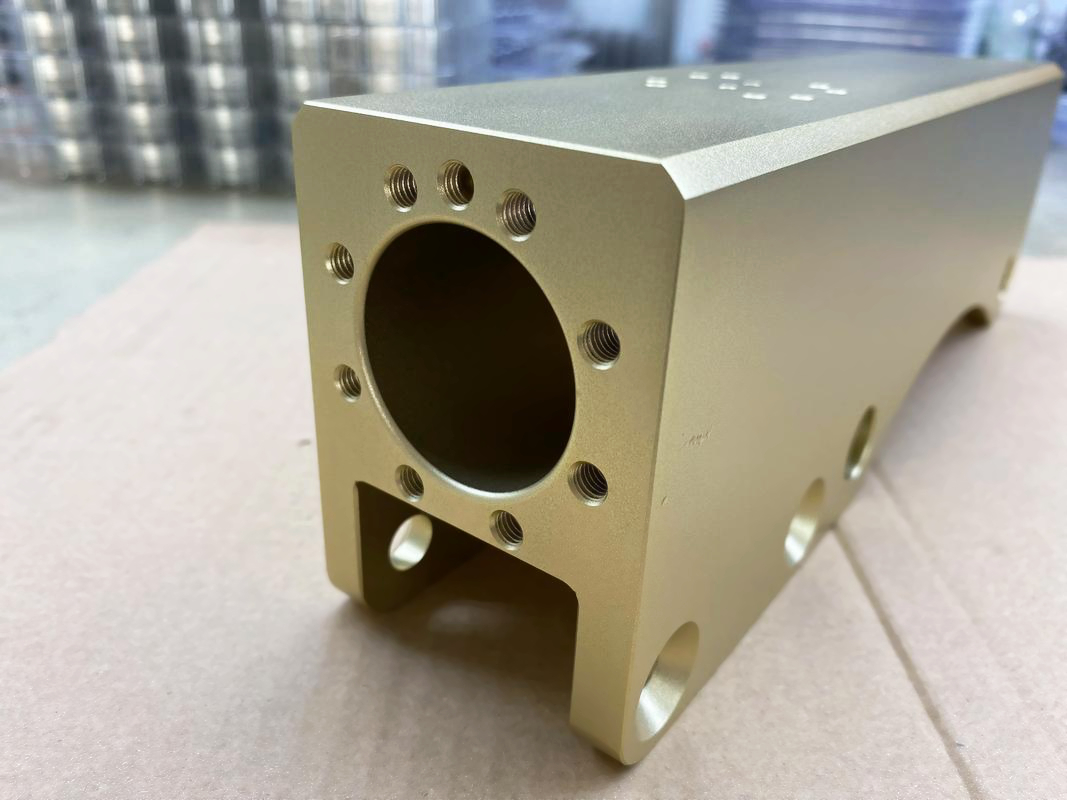
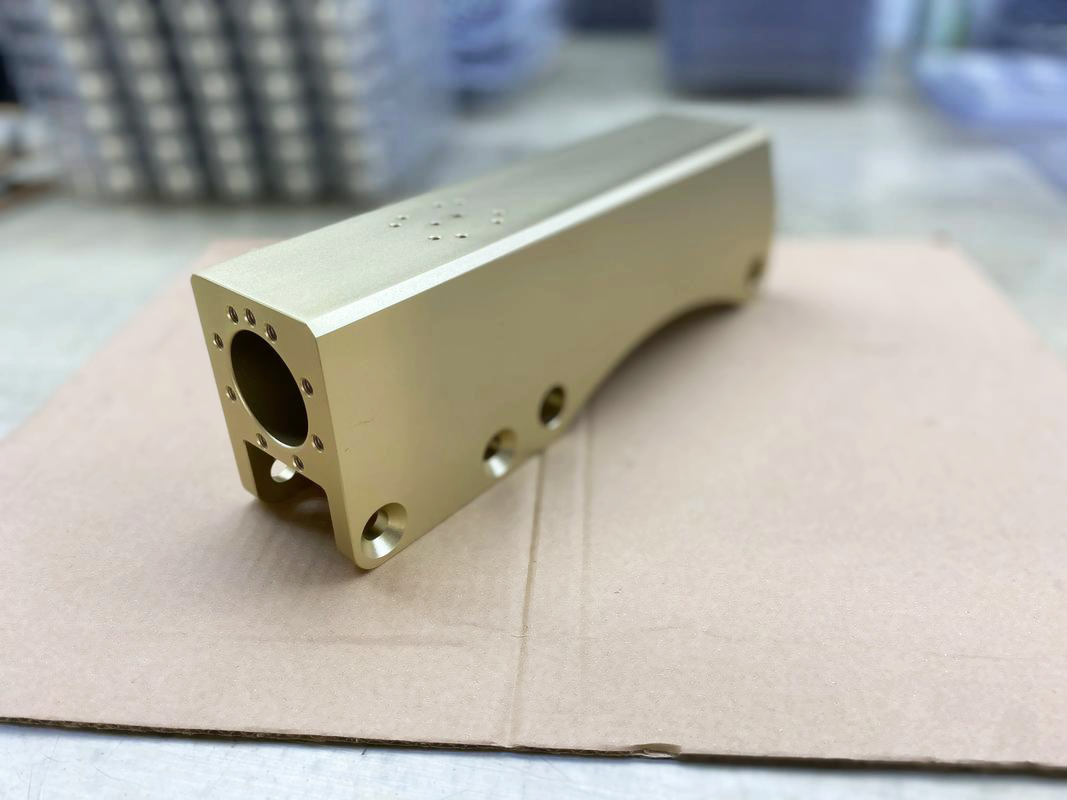
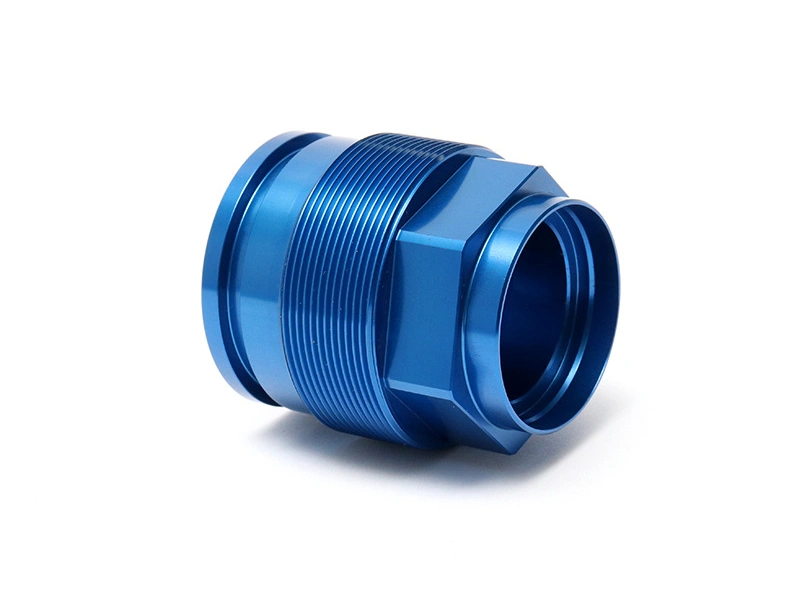
Small-batch anodizing within 100 pieces often has a high unit price because the finishing line incurs setup, racking, bath-control, inspection and lot-documentation costs even when only a few parts are processed. The number 100 is not itself a pricing breakpoint: ten large housings may fill more racks than 100 small clips. Unit cost depends on rack utilization, manual touches, color and masking requirements, tests, and whether the order can share a compatible production run.
A minimum charge pays for a controlled batch
A processor cannot simply dip one part into an operating line without review. The drawing and anodizing callout must be checked. Parts need incoming inspection, cleaning, electrical contact and an orientation that drains. Bath condition and process records must be suitable for the lot, then finished parts need inspection, protection and release. Much of this sequence is batch work rather than piece work.
The minimum charge may also reserve rack and tank capacity that could have carried another job. Its basis differs among finishing shops according to line size, process family, scheduling and required records. Buyers should ask what the minimum includes rather than assume it is an arbitrary penalty.
Part count is a poor measure of load efficiency
| Small-batch condition | Why unit cost rises | Evidence needed | Possible response |
|---|---|---|---|
| Large or awkward geometry | Few parts fit one rack; special support or orientation is needed | 3D envelope, weight, rack/contact map | Add a rack tab or revise geometry where function permits |
| Many tiny parts | Individual contact and handling dominate treated area | Parts per rack and touches per piece | Evaluate a dedicated rack at recurring volume |
| Custom color | Trial matching, segregation and visual sorting occur for a small release | Metal master, color method and lot-match requirement | Use an approved standard finish or combine compatible demand |
| Complex masking | Apply/remove mask and inspect each protected feature | Marked drawing and masking count | Review finished tolerances and eliminate unnecessary masks |
| Per-lot testing | Coupons, destructive work and reports are spread over few saleable parts | Method, frequency, sample size and report format | Use only the frequency allowed by the governing requirement |
Prototype pricing answers a different question
A trial or prototype order is intended to learn: can the alloy, geometry, pretreatment, color and film requirement work together? Its price may include engineering review, rack development, several samples and reporting that will not recur unchanged in production. Ask for trial cost, recurring batch charge and projected production price as separate lines.
A prototype made from wrought billet may not establish price or yield for a pressure die casting. Production-intent samples should represent alloy, surface, pores, machining and rack access. Otherwise the supplier must retain uncertainty in the estimate or reprice when real castings arrive.
Combining demand helps only when lots are compatible
Several part numbers can sometimes share one run when they require compatible alloy handling, pretreatment, anodizing type, color, sealing and traceability. That can improve rack use and spread setup cost. It is not always allowed. Different customer specifications, contamination risk, color-match obligations or certificate lots may require separation.
Combining four planned releases into one can also lower repeated setup and documentation, but it increases inventory and reduces flexibility after a design change. Compare the finish saving with storage, cash, handling damage and revision risk. The most economic batch is not necessarily the largest order.
Reduce manual work before negotiating the rate
Mark cosmetic zones and acceptable contact points clearly. Review whether every thread and bore truly needs masking. Standardize color and texture across related parts. Avoid deep liquid traps where design permits. Provide clean, segregated parts with known alloy and no unknown prior coating. These actions reduce touches and uncertainty, which are the parts of low-volume cost a design team can influence.
Mechanical texture such as sand blasting should be included only when it creates a required surface, not as an automatic cure for casting appearance. Every added step has its own setup and handling. Similarly, a tight color standard that the product does not need creates trial and sorting cost without functional value.
Ask for a quote that shows the breakpoint
Provide quantities per release and per year, plus the expected order cadence. Request prices for the actual trial quantity, the likely recurring release and any realistic consolidated lot. Ask the supplier to state minimum charge, parts per assumed rack, dedicated fixture cost, color trial, masking, inspection, certificate, packaging and freight. Confirm the quote validity and changes that trigger review.
A lower unit price at 100 pieces is not useful if production will usually release 20. The defensible purchasing decision uses the expected batch pattern and total annual spend. Small-batch anodizing is expensive per piece mainly because controlled fixed work is divided among few parts; the way to reduce it is to improve load utilization and remove unnecessary work, not to ignore process controls.