What RFQ Information Is Needed for Machining of Castings?
What RFQ Information Is Needed for Machining of Castings?
For machining of castings, buyers should send the 3D model, 2D drawing, casting material, quantity, casting process if known, machined feature list, tolerance requirements, datum notes, surface finish requirement, inspection request, photos or samples of existing castings and the final delivery condition. The supplier needs to understand both the casting blank and the finished part.
A quote based only on a 3D shape is weak because the model may not show which surfaces are as-cast, which surfaces must be machined, which holes need threads, which faces must seal and which areas will be coated or masked. The RFQ should identify the functional features that make the casting ready for assembly.
Buyers can start with CNC machining requirements, then add casting-specific details such as draft, flash, parting line, surface skin, porosity risk and machining stock.
The RFQ should identify casting route, expected stock, raw datum condition and final datum scheme. Initial stock may be 0.3-1.0 mm for selected HPDC faces, 1-3 mm for gravity castings and 2-5 mm for sand castings. ISO 8062-3 and ASME Y14.5 or ISO 1101 should be referenced where applicable.
Core Files and Drawing Notes
The most useful file set includes a STEP, X_T or IGS model plus a PDF 2D drawing. The 3D model helps the supplier study tool access and fixture contact. The 2D drawing defines tolerances, datums, threads, surface roughness, finish notes and inspection requirements. If only one file can be sent, the 2D drawing is still important because it shows what must be controlled.
Buyers should mark machined surfaces clearly. A color-marked PDF can be useful during RFQ: one color for as-cast areas, one color for CNC machined features, one color for cosmetic surfaces and one color for masking areas. This prevents the supplier from assuming every surface needs machining or missing a face that controls assembly.
RFQ Information | Why It Matters |
|---|---|
3D model | Allows tool access, fixture and machining path review |
2D drawing | Defines tolerances, datums, threads and inspection notes |
Machined feature list | Separates CNC work from as-cast geometry |
Casting material | Changes tool choice, cutting data and burr control |
Quantity and stage | Guides fixture investment and inspection frequency |
Finish requirement | Shows which machined areas need masking or post-finish checks |
Information for Existing Castings
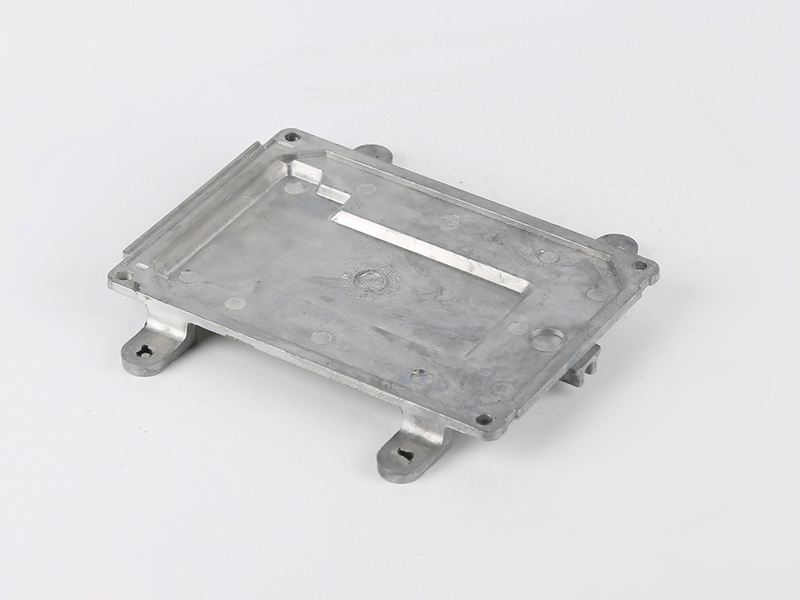
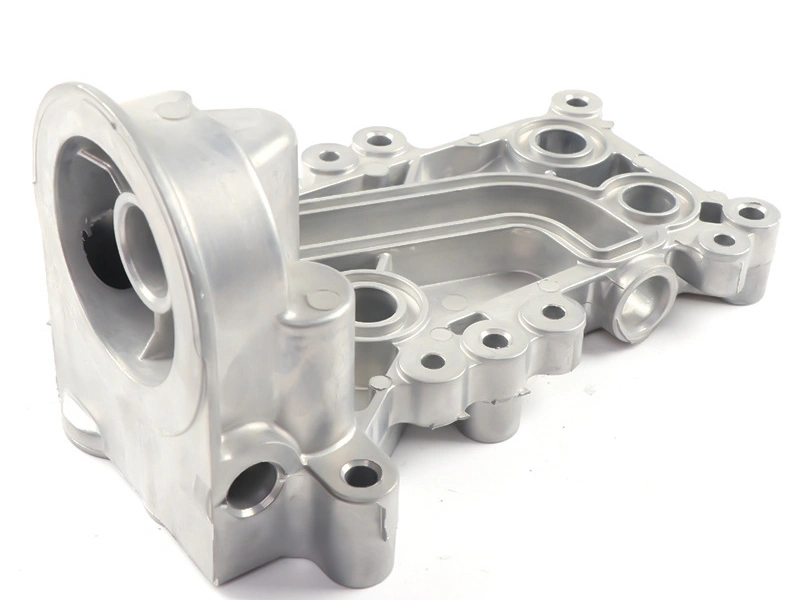
If the buyer already has castings, the supplier needs photos, sample quantity, material grade, current dimensions, surface condition and known defects. Photos should show parting lines, flash, gate removal areas, surface texture, pores, thin sections and any areas that look short of machining stock. A sample part can reveal whether the blank is stable enough for CNC fixturing.
Existing castings can be harder to quote than new castings because the supplier may not control the original tooling. The key question is whether the existing blank can clean up to the finished drawing. If a sealing face has too little stock, machining may expose low spots. If a boss is shifted, a tapped hole may break through. If the casting is warped, fixture location and final flatness become more difficult.
Information for New Castings
For new castings, the RFQ should be sent before tooling. This allows the supplier to add machining allowance, choose datum areas and avoid conflicts between gates, ejector marks, machined faces and cosmetic surfaces. The machining plan should influence the casting design, not appear only after raw samples are made.
For example, a gasket face should have enough stock for cleanup and should avoid gate scars when possible. A bearing bore should have surrounding material for boring and measurement. A threaded boss should have enough wall after tapping. These details are easier to fix before tooling than after trial castings.
For allowance planning, machining allowance before die casting tooling gives buyers a more focused reference.
Inspection and Delivery Scope
The RFQ should state which inspection records are required. A simple cosmetic cover may need visual checks and a few critical dimensions. A sealed housing may need flatness, surface roughness, thread gauges and assembly fit. A motion component may need bore diameter, roundness and datum relationship checks.
Delivery scope also matters. Buyers should say whether they want raw machined castings, deburred parts, coated parts, assembled parts or packaged ready-to-use components. A machining quote that excludes finishing and packaging is not equal to a finished-part quote.
For repeat production, the RFQ should also state whether the buyer needs first article approval, batch inspection, material records or retained samples. These details affect the supplier's quotation because they add measurement time, documentation work and release control.
RFQ Review Recommendation
The best RFQ lets the supplier answer three questions: can the casting be held repeatably, can the selected features clean up to tolerance, and can the final part be inspected in the condition the buyer will receive. If the RFQ answers those questions, the quote will be more reliable and the risk of later machining surprises will be lower.
Neway can review castings for CNC feasibility, fixture access, machined feature definition, surface finishing and inspection before production. That helps buyers move from a rough casting or near-net blank to a finished component with fewer technical assumptions.