When Do Castings Need CNC Machining Instead of As-Cast Delivery?
When Do Castings Need CNC Machining Instead of As-Cast Delivery?
Castings need CNC machining instead of as-cast delivery when the part has features that must control fastening, sealing, movement, alignment, flatness, datum location, bearing fit or tight assembly clearance. As-cast delivery can be suitable for non-functional shapes, hidden walls, ribs and general geometry, but many production parts need selected machined features before use.
The decision should be based on function. If the surface touches another part, holds a fastener, seals fluid, locates a shaft, controls height or defines inspection datums, CNC machining is often required. If the surface is only part of the rough shape and does not control assembly, it may remain as-cast after trimming and deburring.
For a direct feature answer, which die cast features should be machined helps buyers separate functional features from normal casting geometry.
CNC machining is usually justified when the drawing needs about +/-0.05 to +/-0.10 mm on assembly features, controlled sealing roughness or accurate threads and bores. Features that can accept normal casting variation should remain as-cast; applying +/-0.02 mm broadly can force expensive fixtures, extra setups and CMM inspection.
ISO 8062-3 can govern the as-cast condition, while ASME Y14.5 or ISO 1101 should govern machined datum relationships. Surface texture can be specified under ISO 21920. Keeping these requirements separate prevents suppliers from machining cosmetic or nonfunctional areas only because the drawing uses one tolerance block.
Features That Can Often Remain As-Cast
Many cast surfaces can remain as-cast when they do not control fit or function. These include hidden ribs, internal strengthening walls, non-contact pockets, general external shapes and areas where normal casting tolerance is acceptable. Keeping these areas as-cast protects the cost advantage of casting and avoids unnecessary cutting.
As-cast delivery still needs standards. Flash, burrs, sharp edges, parting line mismatch, gate removal marks and visible defects should be controlled. A surface can be as-cast but still require trimming, deburring or cosmetic acceptance. Buyers should define whether as-cast means raw, trimmed, deburred, blasted or finished.
Feature or Surface | Common Route | Reason |
|---|---|---|
Hidden rib | As-cast with flash control | Stiffness matters more than tight dimension |
Decorative outside shape | As-cast plus finish review | Appearance may matter more than machining tolerance |
Threaded hole | CNC drilling and tapping | Fastening requires depth and pitch control |
Sealing face | CNC facing | Flatness and roughness affect leakage |
Bearing bore | CNC boring or reaming | Diameter and roundness affect motion |
Features That Usually Need CNC Machining
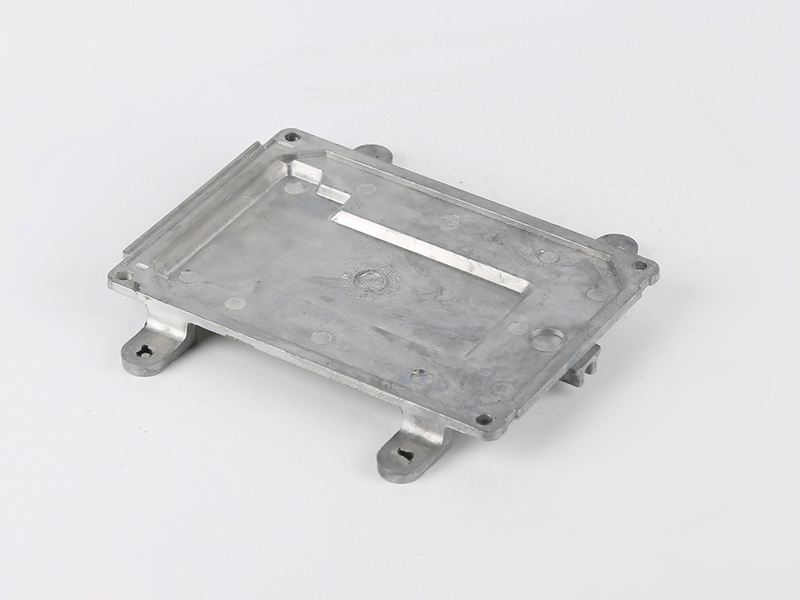
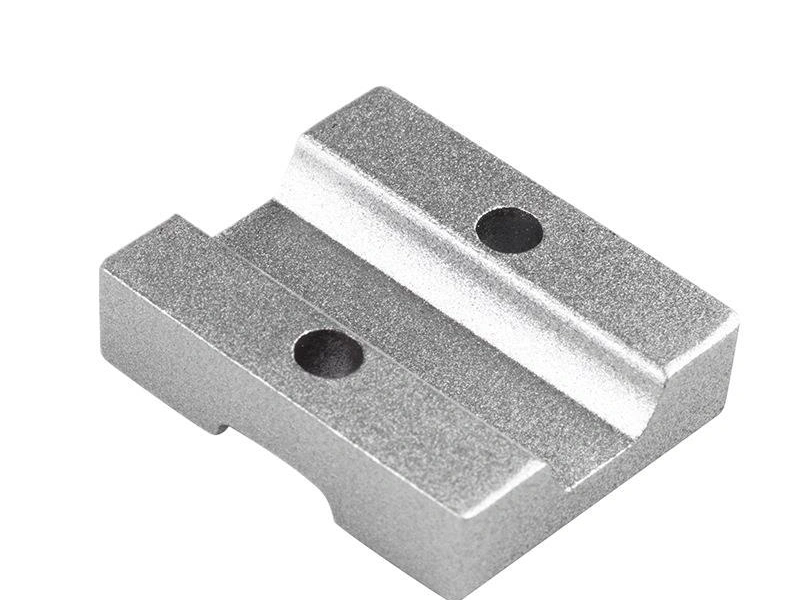
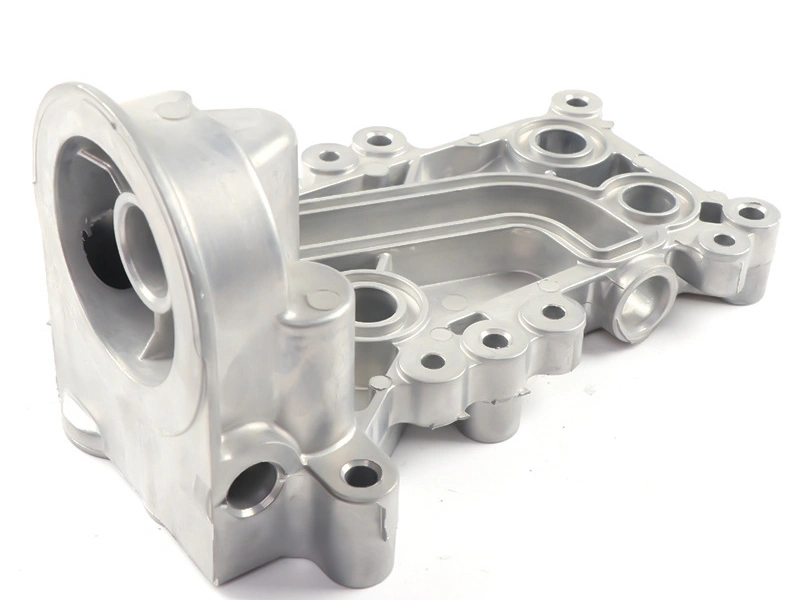
Features that usually need CNC machining include threaded holes, dowel holes, bearing bores, gasket faces, datum pads, precision slots, mounting surfaces and flat contact faces. These features affect assembly and performance. Casting can create their approximate position, but CNC machining provides the final tolerance and surface condition.
The buyer should also consider how the part will be inspected. If a feature is called out with a tight tolerance, GD&T relationship, surface roughness or functional note, it usually needs a machining and inspection plan. A drawing that marks a sealing face flatness requirement but does not provide machining stock is a common source of trouble.
Material and Process Change the Decision
Different casting materials and processes change how much machining is needed. Aluminum die cast parts may need machined gasket faces, holes and heat transfer contact surfaces. Zinc die cast parts can hold fine details but still need threads, precision holes or plating-related fit checks. Sand castings may need more stock and more cleanup because surface texture and dimensional variation are wider.
The casting process also affects surface condition. High-pressure die casting can produce near-net features, but sealing faces or bearing bores may still need CNC finishing. Sand casting is useful for prototypes and larger shapes, yet functional interfaces usually need machining. The right decision is not "machine everything"; it is to machine the features that the process cannot reliably finish to the required function.
For broader casting route support, metal casting services can be reviewed together with CNC requirements when the buyer is still choosing the process.
Surface Finishing Can Create Machining Needs
Surface finishing can create additional machining or inspection needs. Coatings can change hole size, thread fit and contact surfaces. Polishing can round edges. Plating or anodizing can affect tolerance on mating areas. If a part is delivered after finishing, the buyer should decide whether some areas need masking, post-finish machining or post-finish gauges.
For example, a machined sealing face may need to remain uncoated. A thread may need masking and then gauge checking after finishing. A visible surface may need polishing before coating but should not disturb a machined datum nearby. These choices belong in the drawing and purchase order.
If finishing is added after samples, the buyer should recheck fit on the finished part. A coating change that looks cosmetic can still affect screw assembly, sliding fit, grounding contact or gasket compression.
This is why the final decision should be made on the delivered condition. A raw casting may be acceptable before coating, while the same part may need masking or post-finish gauge checks after the finishing route is added.
Buyer Decision Rule
A practical decision rule is to leave shape features as-cast and machine control features. Shape features give the part its form. Control features make the part assemble, seal, fasten, locate or move correctly. This rule keeps cost under control while protecting the function that customers will actually measure during assembly.
Neway can review as-cast surfaces, machined features, finish requirements and inspection methods together. This helps buyers avoid paying for unnecessary machining while still protecting critical interfaces before shipment.