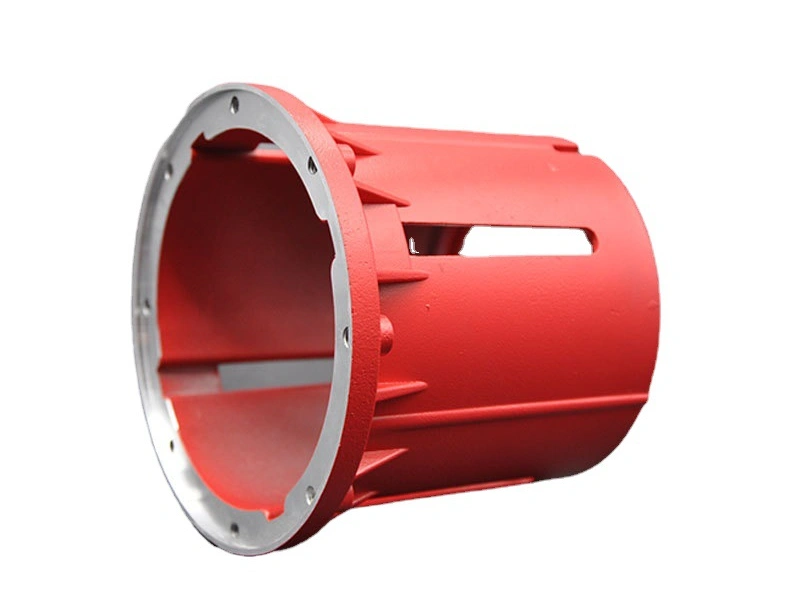
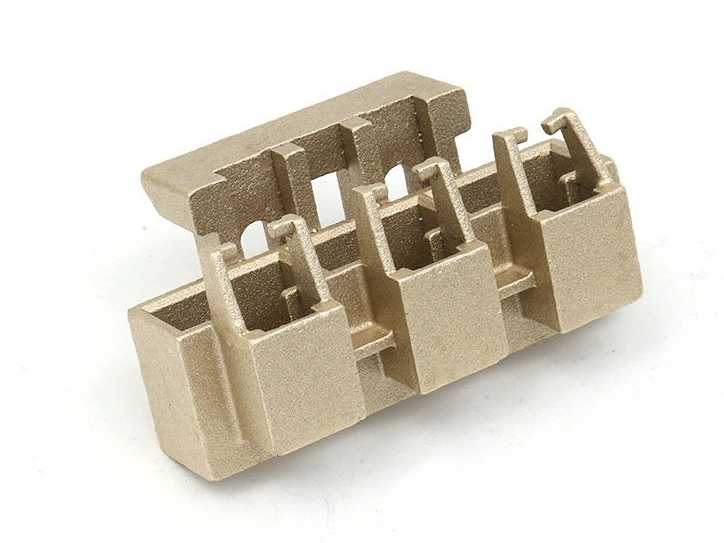
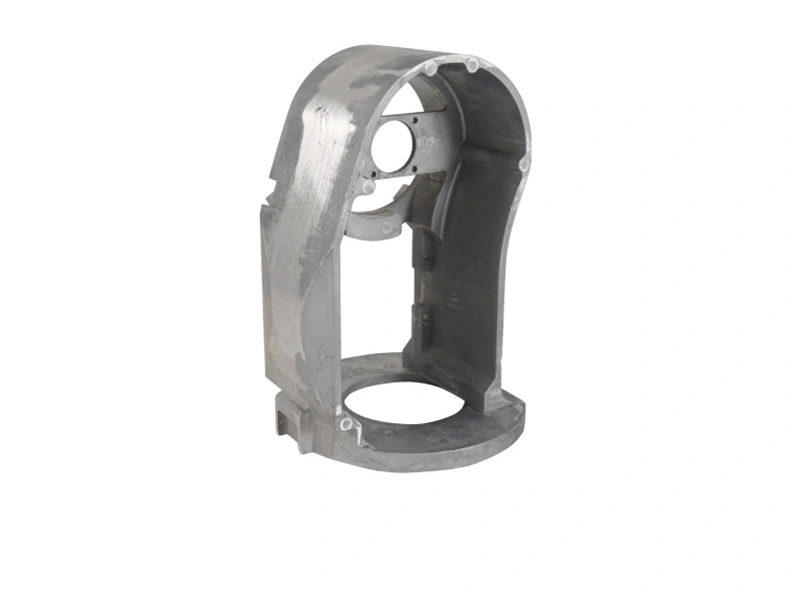
What successful cases does Newway have in copper alloy die casting?
Public capability pages alone do not establish a successful Newway copper-alloy die-casting case, and an unrelated aluminum or zinc project should not be presented as copper evidence. A credible case needs a traceable alloy, part function, casting route, tooling and downstream scope, acceptance methods, production stage and verified outcome. Ask Newway for a relevant reference package or an NDA-controlled review that matches your project.
What counts as a successful case
Success is not simply shipping a sample. For a conductivity part, it may mean meeting chemistry, dimensions, contact resistance and temperature-rise requirements at production release. For a valve body, it may mean pressure integrity, machined sealing surfaces, material records and stable lot acceptance. For wear hardware, it may mean dimensional and service-life evidence under defined mating and lubrication conditions.
The case should state whether it reached prototype, validation, low-volume or routine production. Tool completion, first article approval and sustained delivery are different milestones. Ask which claims can be supported by controlled documents and which details remain confidential.
Reference-case evidence table
Evidence area | What a useful reference shows | Why it matters |
|---|---|---|
Material | Exact copper, brass or bronze designation and condition | Material-family labels hide major process differences |
Geometry | Comparable mass, sections, slides, cavities and critical features | A simple ornament does not validate a pressure body |
Process | Casting route, tool concept, machining and finish | Results depend on the complete manufacturing chain |
Acceptance | Methods and limits for chemistry, dimensions and function | General quality language is not measurable evidence |
Scale | Sample status, release sizes, cavities and production duration | Prototype success does not prove output or maintenance |
Outcome | Approved records, stable yield trend or closed failure mode | Marketing claims need a defined endpoint |
Confidentiality | Permission to disclose or a redacted/NDA review | Client identity must not be invented or exposed |
Do not transfer unrelated cases
A cosmetic zinc cap can demonstrate finish management but not copper-alloy melting, die thermal duty or conductivity. An aluminum housing can demonstrate machining coordination but not brass chemistry, pressure integrity or copper recovery. Transfer only the process evidence that is genuinely common, and state the remaining gap.
Even one copper-alloy case may be irrelevant if its grade and function differ. Brass electrical hardware, aluminum-bronze wear parts and a bronze fluid component have different reasons for material selection and validation. The public copper die-casting service confirms a service category, not every alloy, part envelope or test.
Request a redacted technical summary
When client names or drawings are confidential, ask for a redacted summary: alloy, approximate part class, process route, major geometric challenges, tool actions, secondary work, acceptance methods, development issue and corrective evidence. Exact dimensions and commercial information can remain hidden while technical relevance is preserved.
A useful summary explains causation. For example, if a machining breakthrough issue was solved, the evidence should connect gate or thermal changes, stock strategy, inspection and subsequent result. An unsupported statement that quality improved is not enough.
Review quality records appropriate to function
Material certificates should connect heat or lot to the finished parts where traceability is required. Dimensional layouts should identify drawing revision and cavity. Conductivity, leak, hardness, mechanical or corrosion evidence needs the method, specimen or part location, temperature and acceptance rule.
Use the proposed inspection route as a starting point, then confirm internal or qualified external sources. Equipment availability is not proof that a specific historical lot passed.
Verify production, not just samples
Ask how the process window was controlled, how cavities were identified, what maintenance was required and how stage yield changed from launch to stable production. Review change notification for alloy source, die repair, machine transfer, machining fixture and finish source. These controls indicate whether the result can be repeated.
If only prototypes exist, treat the reference as development experience. That may still be useful, but it should not be described as a mass-production success. Ask what evidence remains open before applying the route to your program.
Perform your own project audit
Compare the reference with your alloy, geometry, projected area, cavity plan, release size, critical features, service environment, machining, finish and tests. List similarities and differences. A strong supplier should explain why prior controls transfer and propose new validation for the gaps.
Request a DFM and risk review on your own controlled data. A case study cannot replace current machine capacity, tool architecture, material availability, quote and sample evidence. The engineering review should produce project-specific actions.
Commercial and confidential boundaries
Use an NDA where necessary, but do not request another customer's protected drawing, pricing or proprietary acceptance data. Redacted evidence and witnessed sample review can establish relevance without improper disclosure. Confirm who is authorized to make statements about client identity.
Include reference verification in supplier qualification, not in the part price alone. Audit time, samples and testing may be justified for high-risk programs. For ordinary hardware, a focused technical review and first-article plan may provide better evidence than a famous client name.
RFQ inputs and final answer
Provide your alloy, part class, function, size, demand, secondary operations and key acceptance requirements. Ask for the closest documented case, evidence level, production stage, transferable controls, differences and proposed validation. Record all claims and supporting documents in the sourcing decision.
The responsible answer is that Newway's success cases should be credited only where verifiable project evidence can be shared. Without that evidence, use the published service scope as a reason to request a feasibility review, not as proof of named clients, alloys, production results or performance.