Can I get prototypes before moving into mass production?
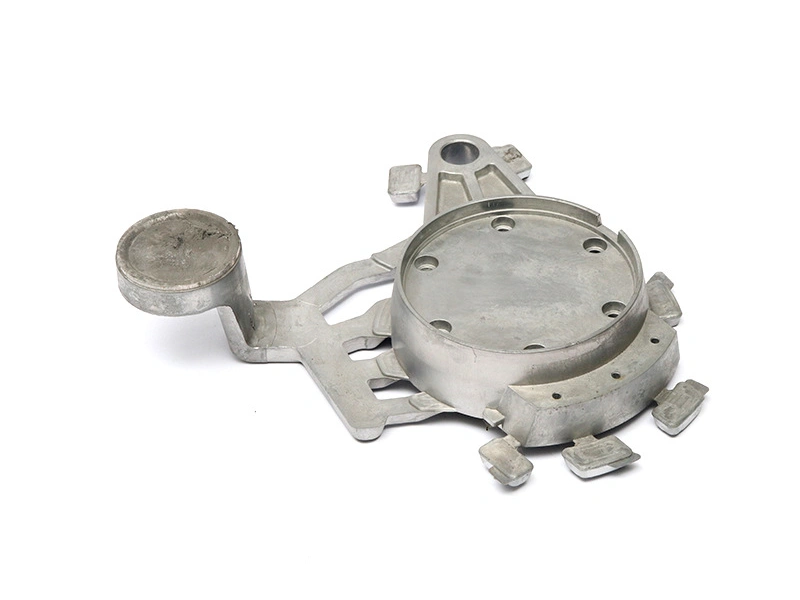
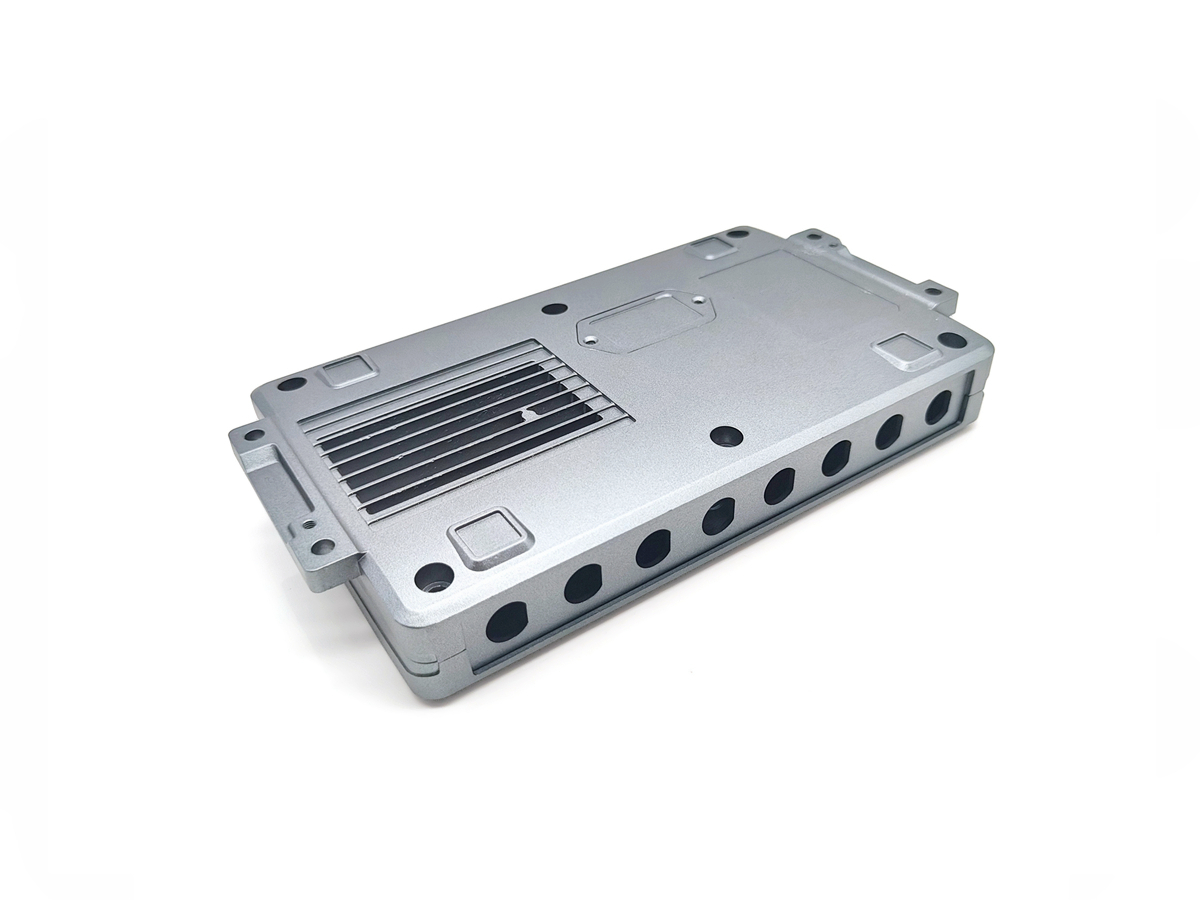
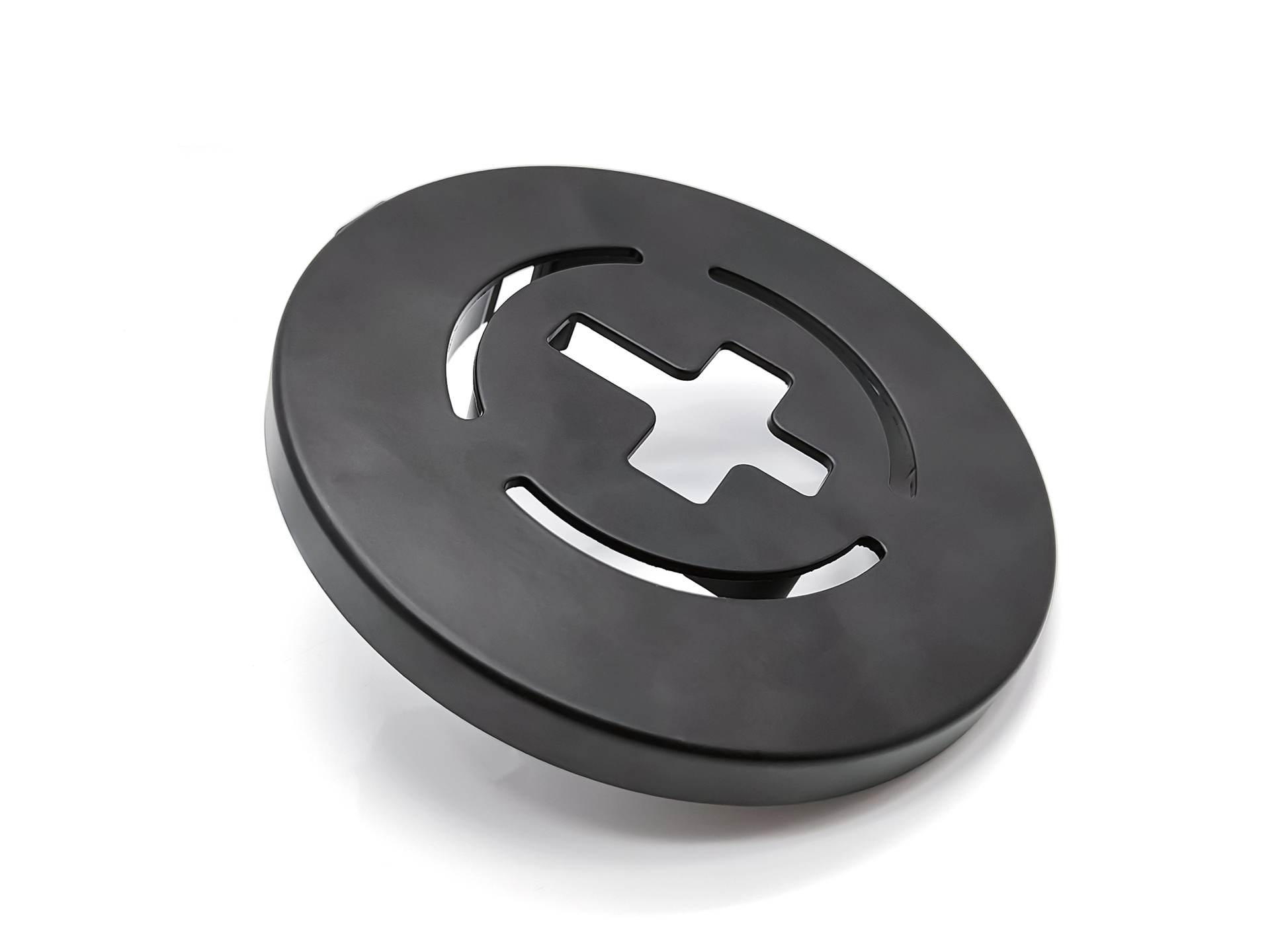
Yes. Prototypes should be made before die-casting mass production when they can answer a defined design, material, assembly, finish, or manufacturing question before permanent tooling and inventory are committed. The route must match the evidence needed. A printed fit model, machined metal sample, alternate-route casting, bridge tool, and production-die trial answer different questions and should not be treated as equivalent.
Define the decision before ordering parts
Write the question and pass criteria first. Examples include confirming envelope and fastener access, checking thermal behavior, selecting an alloy, proving a sealing interface, evaluating a coating, developing a machining fixture, or approving the production die. State what investment or release follows a pass.
Without a decision, teams often request a "production-like prototype" without defining which attributes must be faithful. Geometry, material chemistry, material condition, casting route, surface, dimensions, machining, finish, assembly, and quantity are separate dimensions of fidelity. Paying for all of them in every stage is slow and unnecessary.
Choose a prototype by evidence
Route | Useful evidence | Does not establish |
|---|---|---|
Polymer 3D print | Envelope, access, handling and assembly sequence | Metal properties, die fill, cast surface or coating behavior |
CNC-machined metal sample | Metal mass, preliminary function and machined interfaces | As-cast microstructure, porosity, flow, ejection or die variation |
Alternate-route casting | Selected alloy, cast-metal machining, finish or functional work | Pressure-die-cast cooling, skin, gating and production rate |
Bridge or simplified die | Process-like parts, pilot supply, selected casting risks | Final cavity balance, production tool life or full-rate capability |
Production-tool trial | Final tool, cavities, process, trim and downstream interaction | Long-run stability until representative data exist |
Rapid prototyping is most valuable while geometry is moving. A printed part can reveal interference and service access quickly. A machined sample can support assembly or fixture development. Neither should be accepted as evidence that the pressure die will fill a thin rib, vent a trapped zone, eject without distortion, or reproduce the same local material condition.
Decide when final alloy is required
Use the intended alloy and condition when the decision depends on chemistry or material response: corrosion, conductivity, heat transfer, machining, joining, coating, or selected mechanical behavior. State the exact designation, material form, manufacturing route, condition, and test sample. The phrase "same production alloy" is incomplete without these details.
A prototype made from nominally similar chemistry through machining or another casting route can reduce material uncertainty but still leave process uncertainty. Cooling rate, section, casting skin, discontinuities, residual stress, and heat treatment may differ. Test reports must identify the actual route so results are not transferred blindly.
Prototype machining, finish, and assembly
Functional die-cast parts often rely on post-casting machining. A prototype can develop cutter access, datum strategy, fixtures, gauging, burr control, cleaning, and assembly. If the sample starts from billet or another casting route, record differences in stock, locating, interrupted cuts, and risk of exposing internal material.
Surface trials should use representative alloy, casting skin, machined zones, preparation, masking, rack, cure, and appearance standard when finish performance matters. A coating approved on a polished machined block may not predict a production casting. Assembly samples should use controlled mating parts, fasteners or adhesives, torque or cure conditions, and a functional acceptance.
Move to production-intent evidence
Substitute prototypes cannot close tool-specific risks such as gating, venting, overflows, die cooling, ejection, parting mismatch, trim, cavity variation, and production handling. These require bridge or production-tool trials. Identify predicted risk zones before the trial so inspection is targeted.
Use the applicable measurement: dimensional layout for datum relationships, leak testing for containment, selected radiography or computed tomography for internal zones where suitable, sectioning for a development question, and finish or assembly tests in final condition. No one test proves every aspect of a die casting.
Run a pilot before full-rate release
A production-die sample approval should be followed by a pilot or pre-production run when the program risk warrants it. The pilot assesses the intended cavities, machine, material, process window, trim, machining, finish, measurement, traceability, packaging, and accepted output. It also exposes bottlenecks that a few hand-supported samples cannot reveal.
Define pilot quantity from the tests, run duration, cavity coverage, destructive samples, assembly needs, customer evaluation, and retained references. Avoid a universal sample count. The exit criteria should state which open risks are closed and what remains for the rate ramp.
Control revisions and test history
Assign every sample a model and drawing revision, route, material, tool or cavity where applicable, machining, finish, and test condition. Record deviations and manual adjustments. A hand-reamed bore, shimmed assembly, polished surface, or substitute treatment must not disappear from the mass-production handoff.
When the design changes, decide which results remain valid. A connector move may preserve a material test but invalidate fit and tool design. A wall change can alter flow, cooling, distortion, and machining stock. Repeat only the affected evidence, but make that decision explicit.
Prepare the prototype and pilot RFQ
Provide CAD and drawing revision, prototype purpose, production route, target material and acceptable substitutes, required quantity by test, mating parts, critical dimensions, loads and environment, machining, finish, appearance zones, tests, reports, delivery sequence, and expected production demand. Mark fixed requirements and areas open to DFM.
Ask the quote to identify route, material form and condition, tool or pattern scope, known differences from production, included inspection, revision cutoff, change cost, and the next evidence gate. Prototypes are available before mass production; their value comes from proving the right facts before permanent decisions are made.