Can Neway help with prototyping and low-volume production?
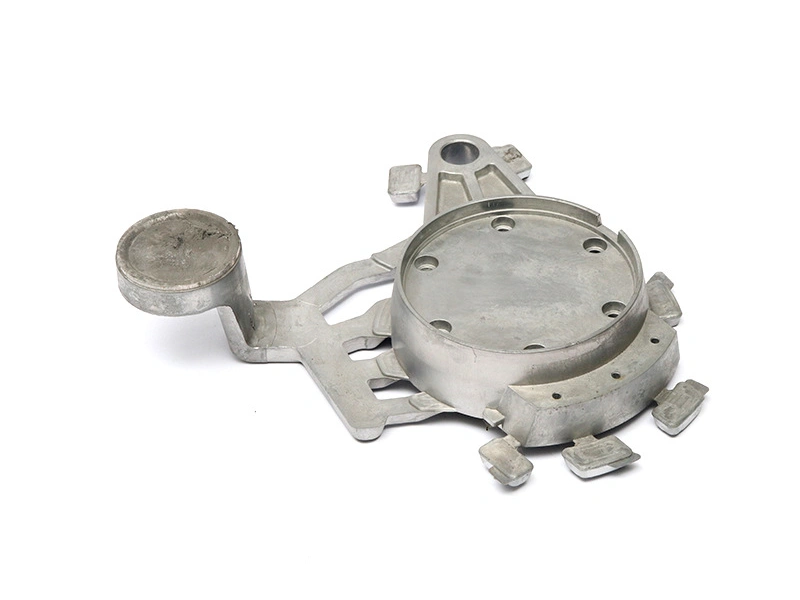
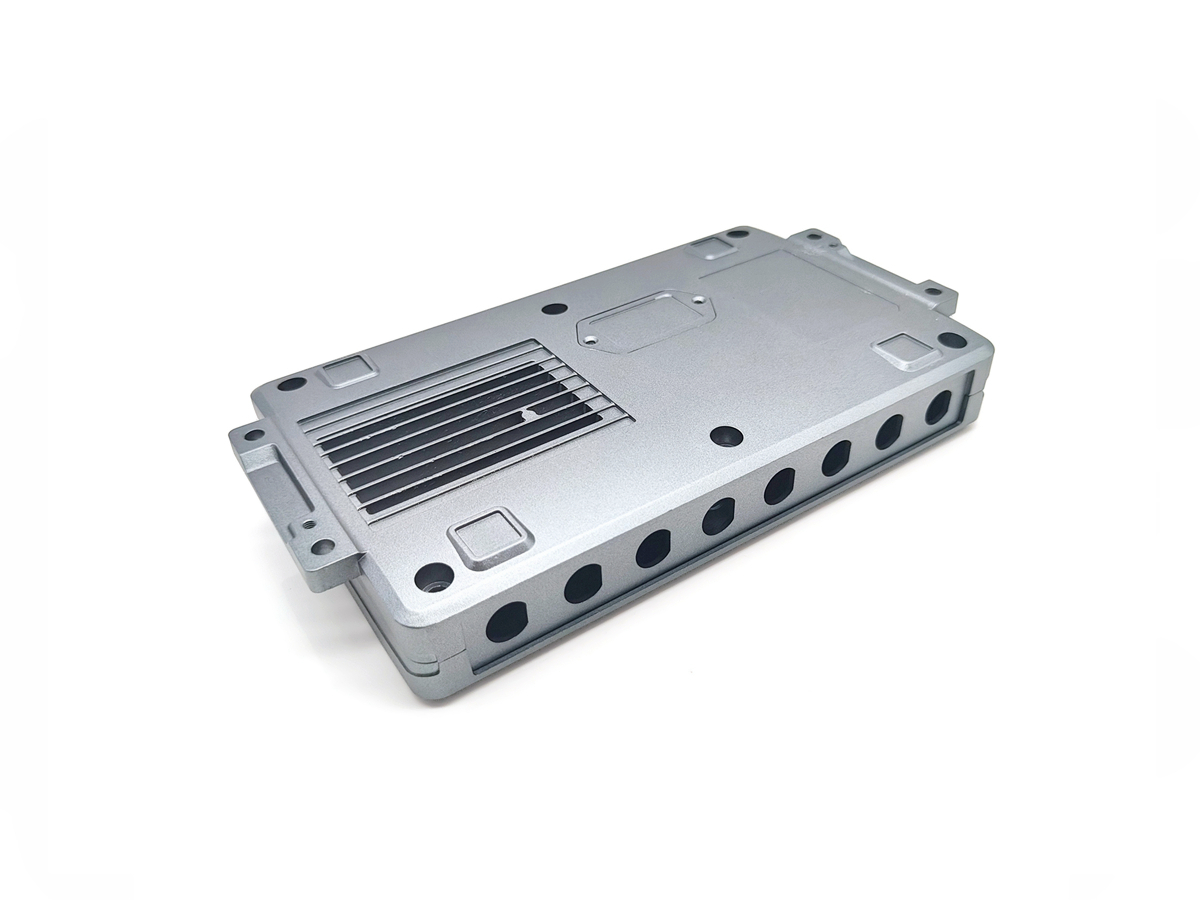
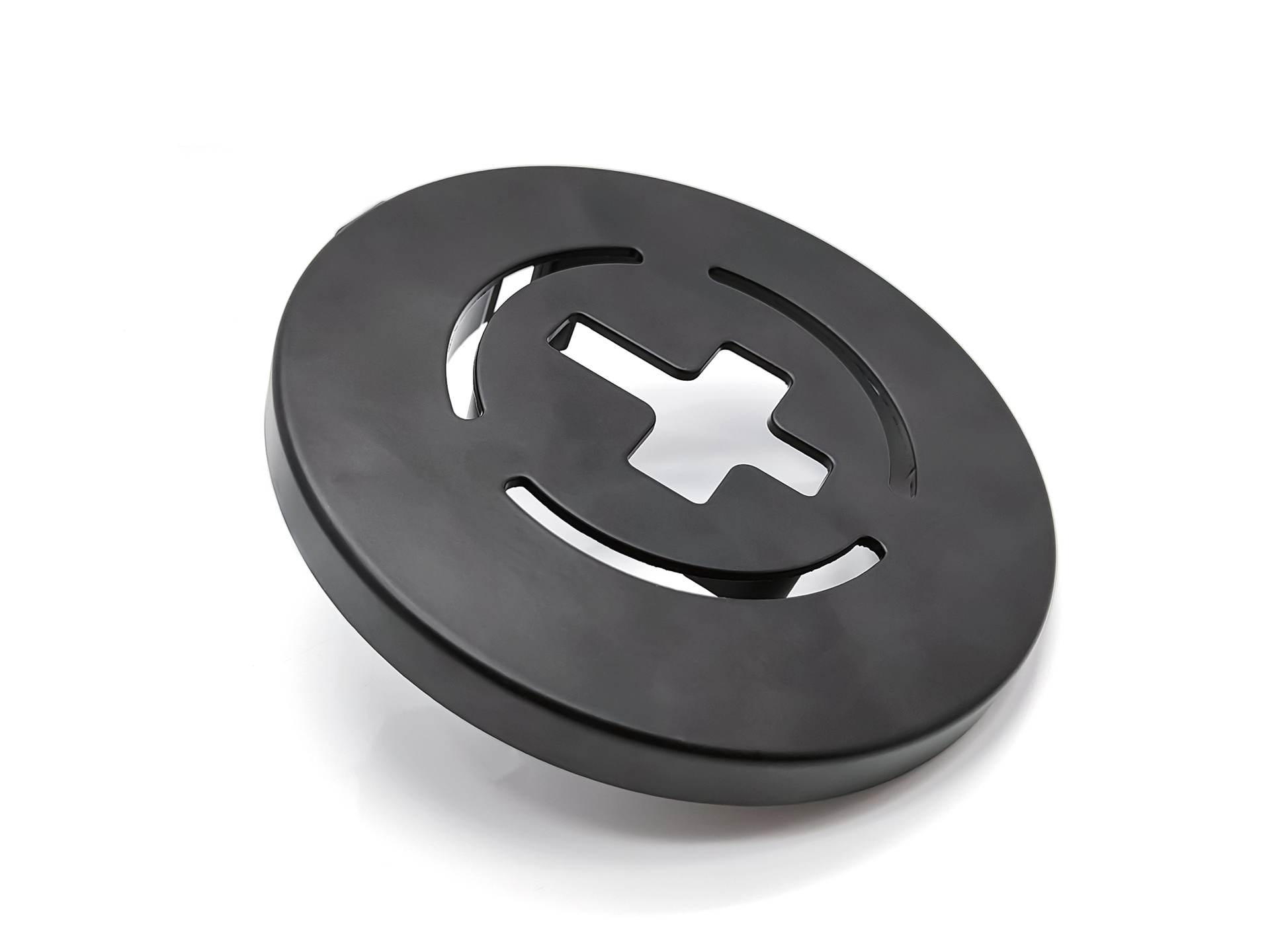
Yes. Neway can support prototyping and low-volume production, but the proposed route and commitment must be confirmed from the part, alloy, quantity, tests, finish, and production intent. Early prototypes may use printing, urethane, machining, or alternate casting routes; bridge or low-volume supply may use process-specific tooling. Each route should be quoted with its differences from the intended production casting.
Start with the question the sample must answer
A prototype is useful only when it supports a decision. Define whether the team must check package, assembly, ergonomics, load, thermal behavior, material, machining, coating, leakage, casting DFM, or customer use. State the acceptance and the decision that follows a pass.
Different questions require different fidelity. Geometry, material chemistry, material condition, process, surface, dimensions, assembly, and quantity can be representative independently. A model with accurate geometry may use the wrong material; a casting in the requested alloy may use a route that does not reproduce pressure-die-cast flow or cooling.
Choose the lowest-risk route
Development need | Route to evaluate | Remaining limitation |
|---|---|---|
Fast fit or access check | 3D-printed model | Does not prove metal or casting behavior |
Metal function or machined interfaces | CNC-machined sample | Wrought stock and casting can behave differently |
Plastic-like appearance or user samples | Urethane casting | Does not represent cast-metal material or process |
Cast alloy, machining or finish learning | Suitable alternate casting route | May not reproduce final die-casting structure or surface |
Process-like pilot parts | Bridge or simplified tooling | May differ in cavities, cooling, rate and tool life |
Rapid prototyping can reduce the cost of learning while geometry is moving. Do not demand final-process fidelity for a fit question. Conversely, do not release a production die based only on a printed or machined model when fill, venting, ejection, internal quality, or as-cast surface matters.
Confirm material and process fidelity
If the test depends on alloy, specify the exact designation, standard, material form, condition, and evidence. A380, ADC12, A356, Zamak 3, Zamak 5, and copper-based grades belong to different casting and service decisions. Availability and practical melt or procurement lot can affect a low-volume quote.
Matching nominal chemistry does not make a machined billet or alternate-route casting equivalent to a production die casting. Cooling, section, skin, internal discontinuities, residual stress, heat treatment, and finish response may differ. The sample report should state what the selected route proves and what needs production-intent confirmation.
Use low-volume production for a defined purpose
Low-volume manufacturing can support pilot builds, launch bridges, field trials, replacement parts, variable demand, and design variants. The economic quantity depends on tool and process setup, material, gross-to-accepted output, machining, finishing, inspection, and release cadence. There is no universal supported band.
Separate validation pieces from saleable delivery. Parts used for destructive tests, sectioning, coating approval, fixture development, or retained samples reduce the deliverable quantity. Ask the quotation to state gross build, test allocation, accepted delivery, and reaction if the process needs another trial.
Plan tooling around design maturity
Prototype, bridge, modular, and production tools carry different investment, modification, output, and evidence. Define tool material, cavities, common mold base, inserts, slides or cores, cooling, ejection, trim, ownership, included changes, maintenance, and expected transition. Terms such as soft tool are not specifications.
Interchangeable inserts can isolate a planned variant or revision-prone feature, but they affect cooling, support, flash, service, and appearance. A change across parting, gating, ejectors, or datum structure may still require broad rework. Ask the tooling proposal to show realistic modification boundaries.
Validate machining, finishing, and assembly
Prototype and low-volume parts can develop casting stock, datum transfer, fixtures, programs, burr control, cleaning, finish preparation, masking, appearance, inserts, fasteners, seals, and functional tests. Preserve the actual route and sample condition in every result.
A finish approved on billet or hand-polished material may not transfer to a production casting. Use representative substrate when alloy phases, casting skin, porosity, machined zones, coating adhesion, color, or corrosion matters. Likewise, an assembly result should identify mating-part revision and any manual adjustment.
Control design changes and transition
Assign each build a controlled revision and list open DFM actions. When the design changes, record why, what evidence supports it, which tests remain valid, and what tooling or work in process is affected. Prevent old and new samples from being mixed in customer or laboratory feedback.
Before production-tool release, transfer approved CAD and drawing, DFM decisions, material specification, deviations, prototype and test history, machining plan, finish specification, and validation matrix. Temporary prototype features and manual corrections must not enter the production baseline silently.
What to send for review
Provide controlled CAD and drawing, prototype purpose, target material and substitutes, expected production route and demand, quantity by sample use, critical dimensions, mating parts, load and environment, machining, finish, tests, reports, delivery priority, and design-change likelihood. Mark fixed requirements and areas open to DFM.
Neway can then propose and quote a suitable route, tooling scope, schedule, evidence, and known limitations. The reliable answer is project-specific; fixed quantities, tolerances, or delivery promises require review of the actual part and supply plan.