Do you offer engineering consultation for DFM and material selection?
Yes. Engineering consultation for DFM and material selection can be provided after reviewing the controlled model, drawing, function, environment, demand, secondary operations, and acceptance requirements. The useful output is not a generic wall or draft rule. It is a documented set of manufacturing decisions, tradeoffs, open risks, and validation actions tied to the specific casting project.
Define product requirements first
DFM should begin with what the component must do. Identify loads, sealing, thermal transfer, electrical behavior, corrosion exposure, wear, temperature, joining, mass, appearance, substance restrictions, mating parts, service access, and expected life. Mark which requirements are mandatory and which can change.
Provide annual and lifetime demand, release cadence, design maturity, and production intent. A feature may be economical for high repeat demand but unsuitable for a prototype or service part. Tool architecture and acceptable secondary work depend on the business context as well as geometry.
Review casting geometry as a system
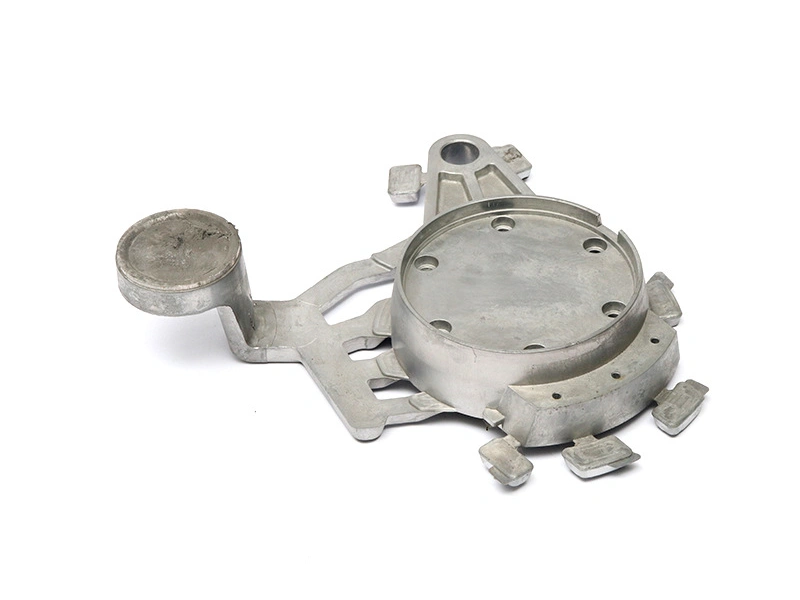
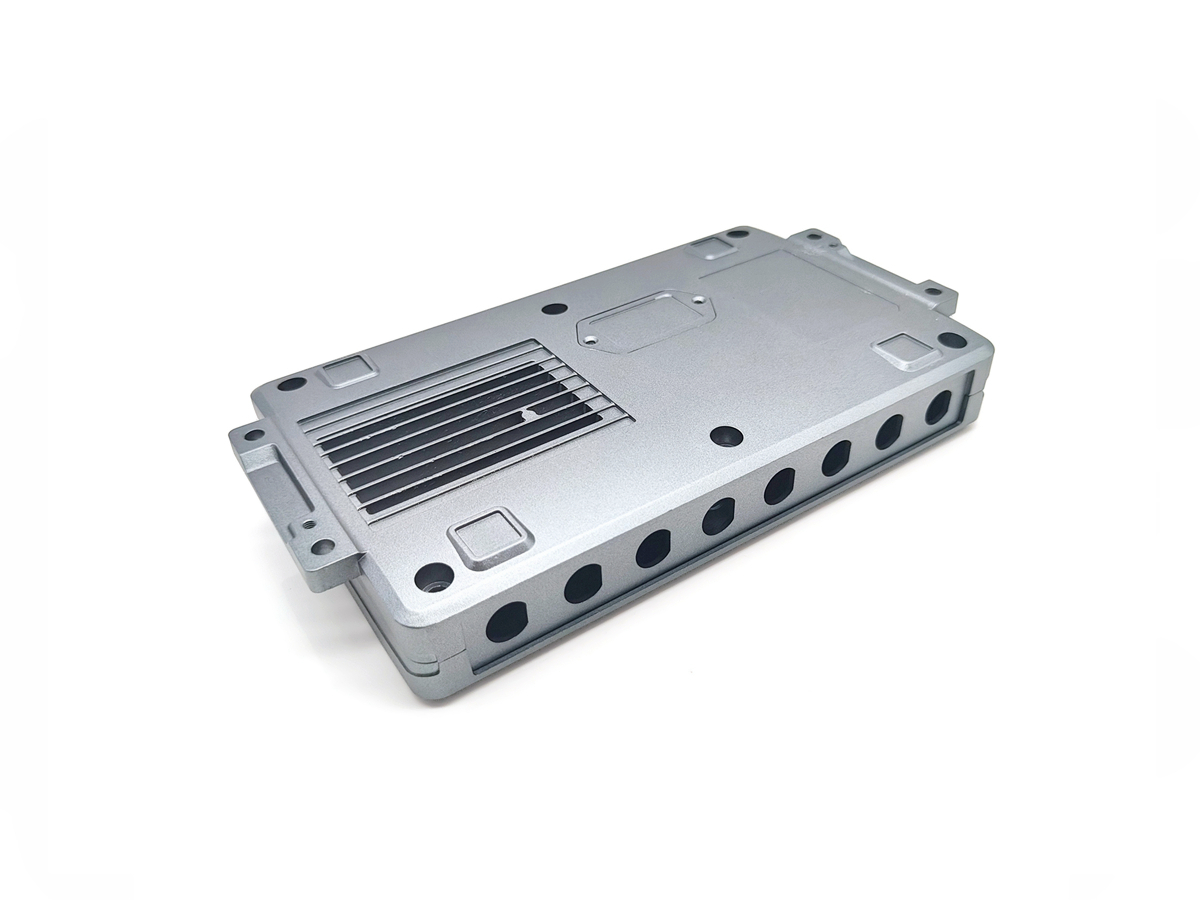
DFM engineering should review parting direction, draft, walls and transitions, ribs, bosses, holes, cores or slides, undercuts, projected area, gates, overflows, vents, cooling, ejection, trim, handling, machining, gauges, finish racks, assembly, and packaging. Changing one feature can affect several others.
Uniform transitions can help flow and solidification, but there is no universal wall range. Practical geometry depends on alloy, route, machine, flow length, feature support, tool thermal behavior, surface, and acceptance. Likewise, draft depends on depth, alloy, surface, tool condition, ejection, and whether a face is machined.
Identify zones vulnerable to incomplete fill, flow-front meeting, trapped gas, isolated heavy sections, shrinkage, soldering, ejection damage, distortion, flash, or trim marks. The review should connect each risk to a design option, tool/process control, or inspection method.
Plan machining and finish before tooling
Separate as-cast and machined dimensions and define functional datums. The casting needs stock, stable raw locators, clamp access, cutter reach, and a route that avoids opening internal material at critical surfaces. Machining planning should influence the casting and die before steel is released.
Surface treatment depends on alloy, casting skin, machined zones, preparation, masking, racks, cure, appearance, corrosion environment, and coating-sensitive dimensions. Cosmetic areas can constrain gates, ejectors, trim, handling, and packaging. Mark them on the model or drawing.
Select material from service and process
Material selection should start from measurable needs, then consider casting-route compatibility and supply. Aluminum, zinc, and copper-based casting alloys present different tradeoffs in mass, conductivity, corrosion behavior, strength, temperature, casting conditions, machining, joining, finish, tool load, and cost.
Specify an exact designation and standard rather than an alloy family. A380, ADC12, A360, A356, Zamak 3, Zamak 5, ZA-8, brass, and bronze grades are not interchangeable. The same broad chemistry made through different routes can have different section behavior, microstructure, surface, and heat-treatment response.
Requirement | Material question | Validation question |
|---|---|---|
Thermal or electrical function | Which grade and condition support the required transfer? | Where and how is performance measured on the real part? |
Corrosion exposure | Is the alloy, finish and joint suitable for the medium? | What substrate and assembled condition are tested? |
Load or wear | Which local section and material state carry the duty? | Does evidence come from a specimen, casting or assembly? |
Pressure or leakage | How do alloy, route, geometry and machining affect integrity? | What test condition and acceptance apply? |
Appearance or coating | How will phases, skin and machined areas respond? | Is the approved sample production-representative? |
Avoid transferring handbook values blindly
Published material values can support screening, but they may represent test specimens, a particular process, section, temperature, or condition. A complex casting has local cooling, geometry, skin, discontinuities, residual stress, and machining effects. State which property is required in the component and what evidence is acceptable.
If heat treatment is proposed, review gas-related risks, distortion, fixtures, dimensional sequence, and finish. If joining is required, review chemistry, surface, heat input, coating, and product safety. Material consultation should include the full delivered condition.
Compare design options with visible tradeoffs
A DFM report should show more than pass or fail. For each significant item, document current geometry, mechanism, proposed option, tool/process effect, recurring cost, functional risk, validation, and approval. A slide can eliminate machining but add tool cost and maintenance. Machining can avoid a slide but add cycle and fixture work. An insert can ease variants but affect cooling and flash.
Use total program cost and risk. A cheaper die can create repeated manual work; a more expensive tool can be premature when demand or design is uncertain. The recommendation should use agreed demand scenarios and change likelihood.
Verify recommendations before release
Prototype geometry checks, machined metal samples, alternate-route castings, simulation, bridge tools, and production trials provide different evidence. Select the route according to the unresolved question. Simulation can guide gating, cooling, and risk review but must be checked against trial parts and process data.
Define approval gates for DFM closure, material, tool design, trial samples, machining first-off, finish, function, and production release. Record deviations and temporary prototype conditions. A recommendation becomes part of the product baseline only through controlled approval.
What to send and what to expect
Send controlled CAD and drawings, revision, application, loads and environment, mating components, annual and lifetime demand, material constraints, critical dimensions, appearance zones, machining, finish, assembly, tests, records, packaging, and target decisions. Identify fixed interfaces and areas open to change.
Expect a route recommendation, material options with tradeoffs, marked DFM issues, tool and secondary-operation implications, validation plan, open questions, and assumptions. Final capabilities, tolerances, properties, cost, and schedule should be confirmed only after this review.