How Can Buyers Build Long-Term Supply Standards With a Metal Casting Supplier?
How Can Buyers Build Long-Term Supply Standards With a Metal Casting Supplier?
Buyers can build long-term supply standards with a metal casting supplier by confirming approved samples, material standards, tooling maintenance, drawing revision control, inspection checklists, finish samples, packaging standards, batch traceability and production capacity planning. Long-term supply is not only about completing the first order. It requires standardized cooperation for repeat production.
1. Why Long-Term Supply Standards Are Needed
A sample or first order may pass, but repeat production introduces new risks. Tooling can wear, material batches can vary, drawings can be revised, surface finishing can change, inspection routines can drift and packaging may be adjusted by operators. Without long-term standards, each repeat order may become inconsistent.
Buyers should establish standards with the supplier before long-term mass production begins, especially when parts have appearance, assembly, surface treatment or functional requirements.
Long-Term Supply Standard | What It Controls | Buyer Benefit |
|---|---|---|
Approved sample | Size, appearance and function | Creates a consistent reference. |
Material standard | Alloy and performance | Supports stable quality. |
Tooling maintenance | Mold condition | Keeps dimensions stable. |
Inspection checklist | QC routine | Supports repeatable inspection. |
Finish sample | Color and surface | Maintains appearance consistency. |
Packaging standard | Delivery protection | Reduces transport damage. |
Revision control | Drawing updates | Avoids wrong-version parts. |
2. How Samples, Tooling and Revision Control Support Repeat Orders
Approved samples should define the accepted size, appearance, function and finish. However, samples alone are not enough. Buyers should also confirm material standards, drawing revision rules and tooling maintenance plans.
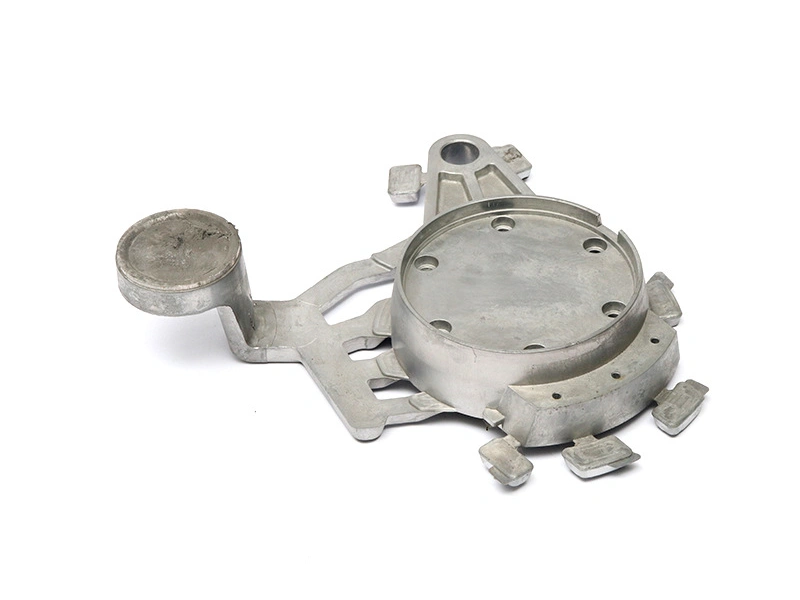
Tooling maintenance for metal castings is important because mold wear can cause flash, burrs, dimensional drift and surface changes. If a drawing changes, the tooling record, inspection checklist and approved sample should be updated together.
3. How Quality Control, Packaging and Capacity Planning Support Long-Term Supply
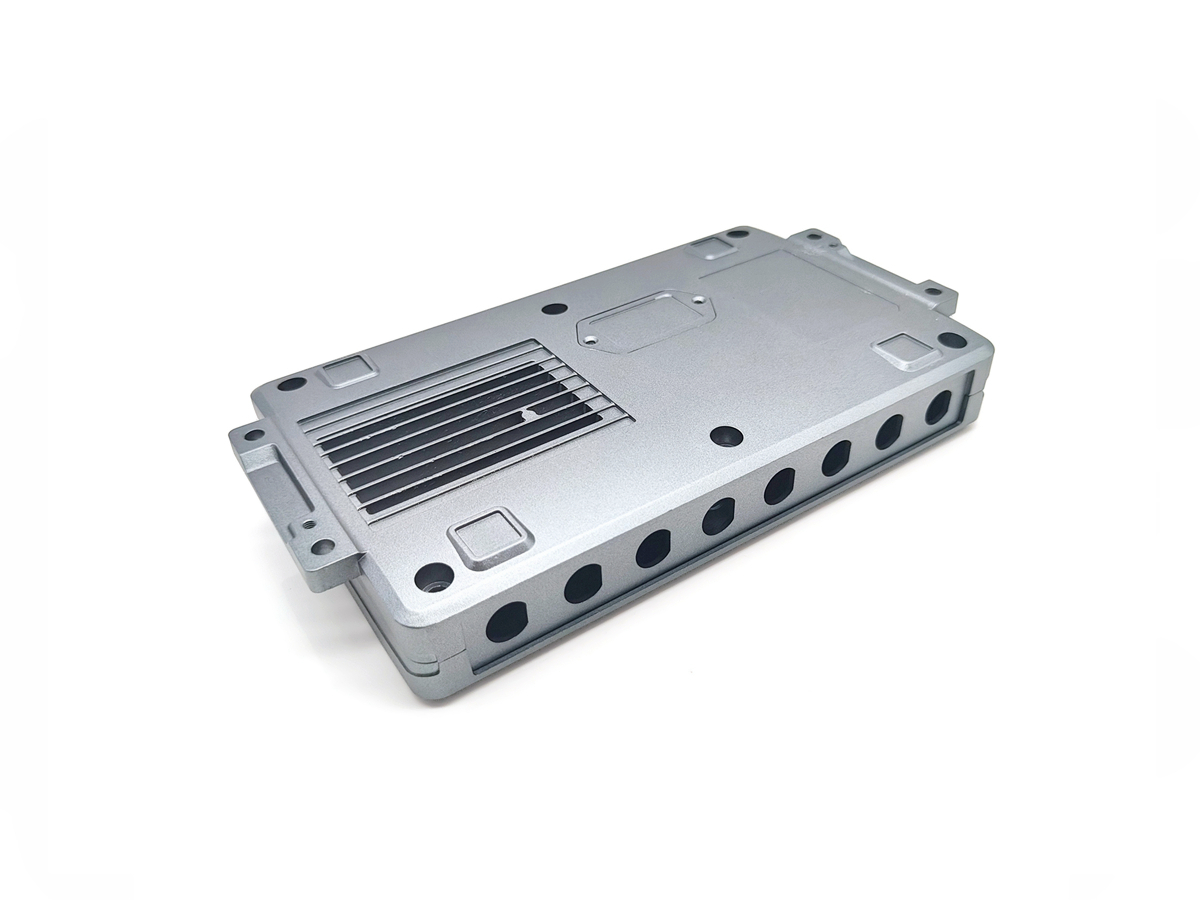
Long-term production should use inspection checklists, finish samples, batch records and packaging standards. Neway can support quality control for custom metal castings so production checks remain consistent across repeat orders.
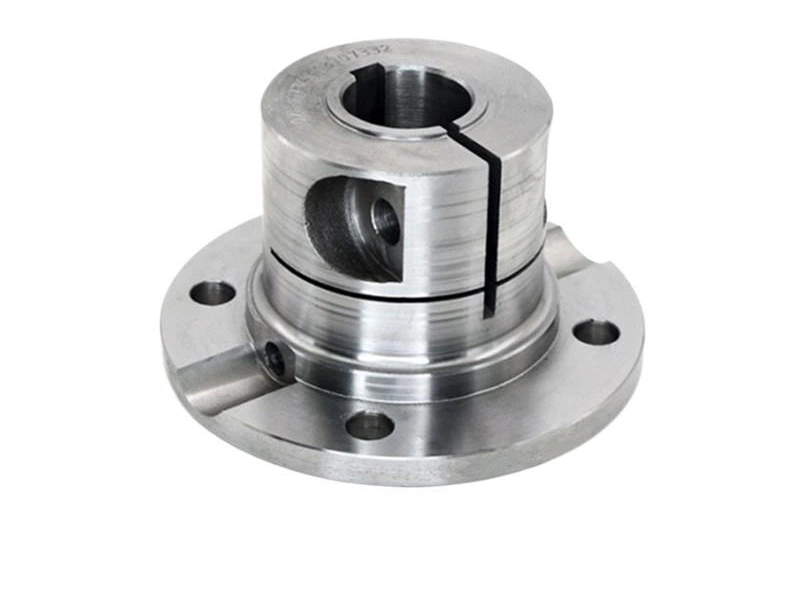
Packaging standards should also remain fixed because finished metal castings can be damaged after inspection if packaging changes. For finished parts, Neway can support secure packaging for finished metal castings.
Long-Term Supply Risk | Possible Result | Recommended Standard |
|---|---|---|
Sample is approved but no production standard exists. | Repeat orders may not match the approved sample. | Use approved samples, inspection checklists and release records. |
Tooling maintenance is insufficient. | Batch quality may decline over time. | Use mold maintenance records and tooling checks. |
Drawing revision is unclear. | Wrong-version parts may be produced. | Use drawing revision control before every repeat order. |
Finish samples are not saved. | Color, gloss or coating differences may appear. | Keep approved finish samples and surface standards. |
Packaging changes between batches. | Finished parts may be scratched or damaged. | Use fixed packaging standards and delivery checks. |
No production capacity plan exists. | Lead time may become unstable during repeat orders. | Review volume forecast and capacity before mass production. |
4. How Neway Supports Long-Term Metal Casting Supply
Neway can help buyers turn custom metal castings from one-time orders into stable repeat production by controlling materials, tooling, inspection, surface finishing, packaging and capacity planning. For long-term projects, Neway can support mass production metal casting supplier needs and provide one-stop metal casting supplier support.
Summary
Buyer Concern | Recommended Long-Term Standard |
|---|---|
How can repeat orders match the sample? | Use approved samples, material standards, inspection checklists and batch records. |
How can mold-related variation be reduced? | Use tooling maintenance plans, mold records and periodic tooling checks. |
How can wrong-version parts be avoided? | Use drawing revision control and update samples, tooling and inspection records together. |
How can long-term delivery stay stable? | Use packaging standards, production capacity planning and one-stop supply support. |