How Can Buyers Keep Precision Die Cast Parts Consistent in Mass Production?
How Can Buyers Keep Precision Die Cast Parts Consistent in Mass Production?
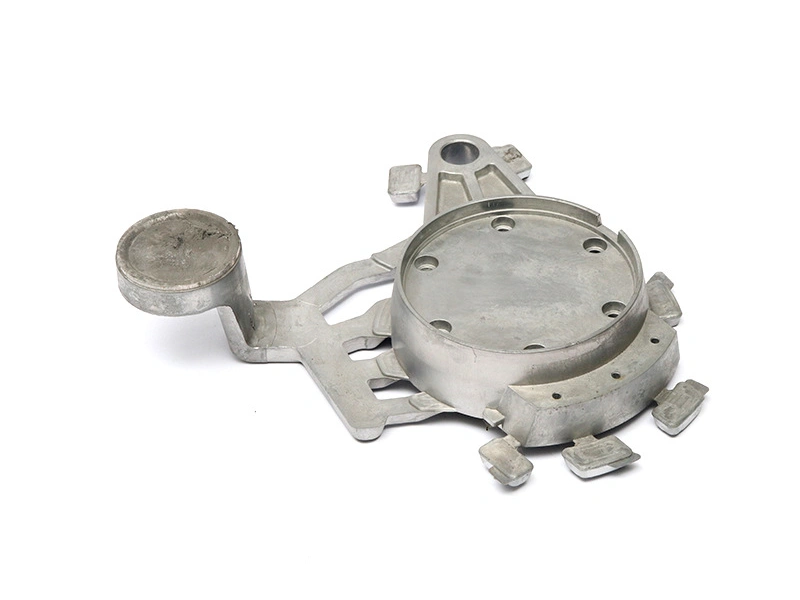
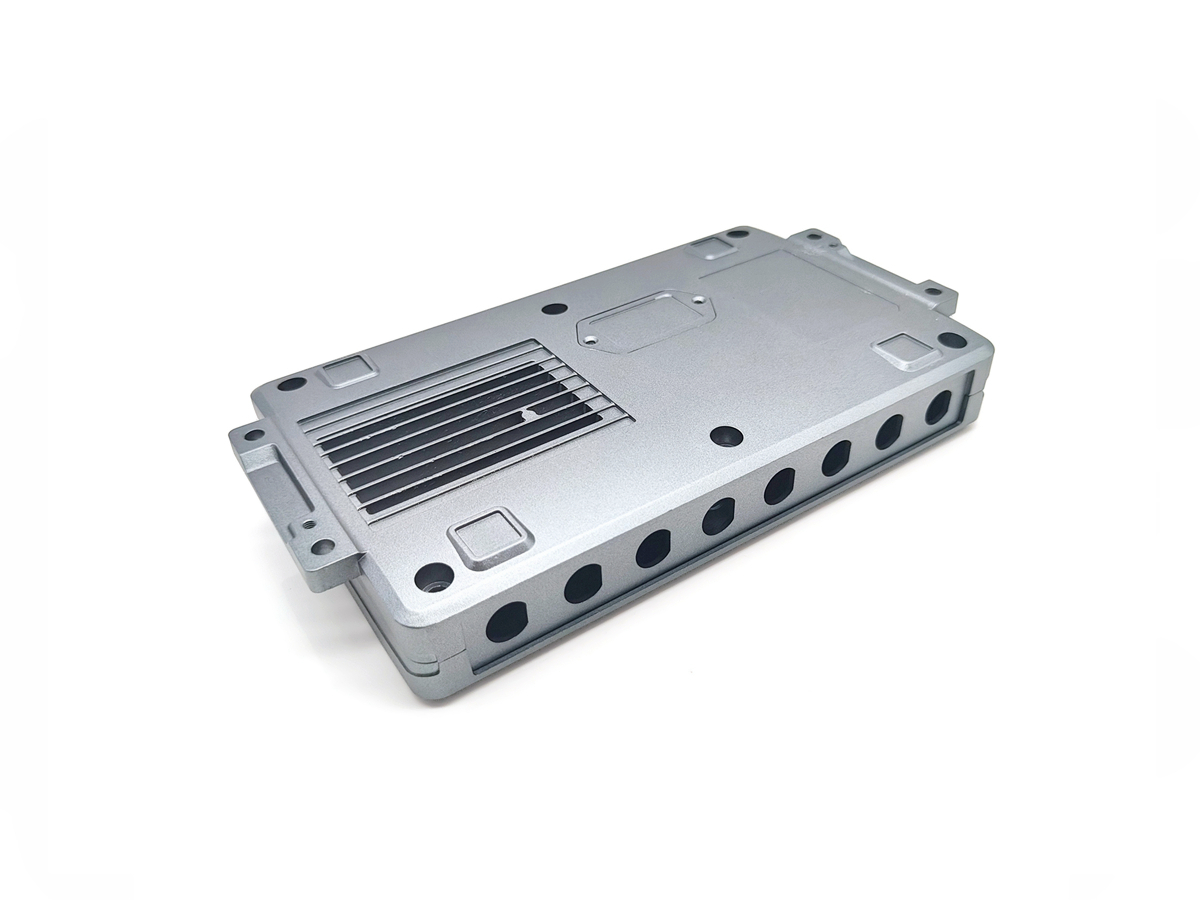
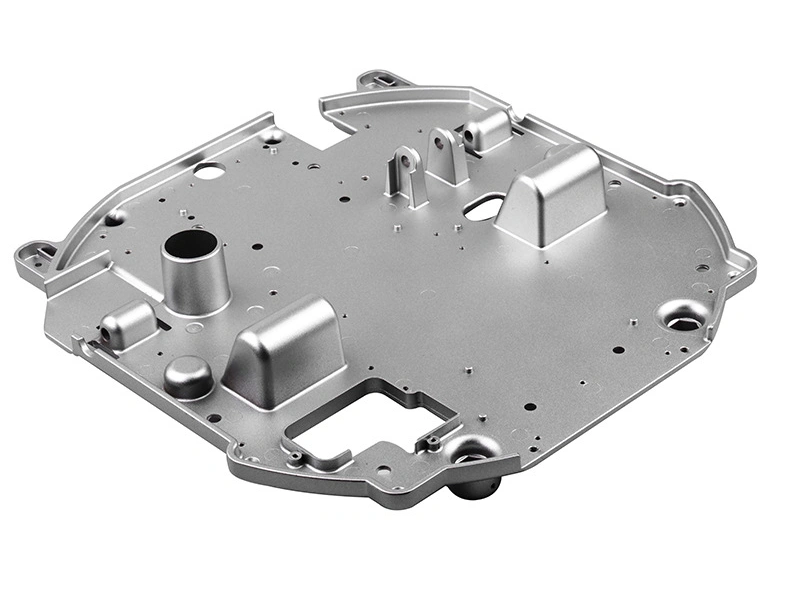
Buyers can keep precision die cast parts consistent in mass production by controlling material batches, tooling condition, casting parameters, CNC fixtures, surface finish standards, inspection checklists, approved samples, batch records and packaging requirements. The goal is not only to make one qualified sample, but to keep dimensions, function and appearance stable across repeat production.
1. Why a Qualified Sample Does Not Guarantee Mass Production Consistency
A sample may meet drawing requirements, but mass production introduces many variables. Tooling can wear, casting parameters can drift, CNC fixtures can loosen, surface finish batches can vary and packaging methods can change. If these factors are not controlled, later batches may not match the approved sample.
For precision die cast parts, consistency depends on the full production system, not only the first sample inspection report.
Consistency Factor | Production Risk | Control Method |
|---|---|---|
Material batch | Dimensions and performance may vary. | Material records and batch control. |
Tooling condition | Flash and dimensional drift may increase. | Mold maintenance and tooling checks. |
Casting parameters | Porosity, shrinkage or deformation may appear. | Process control and production records. |
CNC fixtures | Hole positions and datum references may drift. | Fixture inspection and dimensional verification. |
Surface finishing | Coating thickness or appearance may vary. | Approved finish sample and coating control. |
Inspection checklist | Inspection may become inconsistent. | Fixed QC standard and batch sampling. |
Batch traceability | Problems may be hard to trace. | Production records and batch labels. |
2. How Tooling, Casting and CNC Control Support Consistency
Tooling maintenance helps control flash, burrs and dimensional drift. Casting parameter monitoring helps reduce porosity, shrinkage, deformation and filling variation. CNC fixture maintenance helps protect hole positions, datum surfaces and machined features.
Neway can support tooling maintenance for precision die cast parts and CNC machining for precision cast parts so precision-critical features remain stable in production.
3. How Inspection, Finishing and Packaging Control Repeat Production
First article inspection, in-process inspection, CMM sampling, functional testing and batch records help confirm that production remains aligned with the approved sample. Surface finish standards should also be fixed because coating thickness and finish quality can affect both appearance and assembly fit.
Packaging is also part of consistency. Precision faces, machined holes, sealing surfaces and finished surfaces can be damaged during transport if packaging changes between batches. Neway can support secure packaging for precision die cast components to reduce delivery damage.
Mass Production Risk | Possible Result | Recommended Control |
|---|---|---|
No production inspection standard after sample approval. | Later batches may not match the approved part. | Use inspection checklists, first article and batch sampling. |
Mold wear is not monitored. | Flash, burrs and dimensional drift may increase. | Use tooling maintenance records and mold condition checks. |
CNC fixture wear is ignored. | Hole positions or datum features may shift. | Use fixture inspection and CMM sampling. |
Surface finish thickness varies. | Assembly fit or appearance may change by batch. | Use approved finish samples and finished-part inspection. |
Packaging standard changes. | Precision surfaces may be scratched or damaged. | Use fixed packaging standards and shipment checks. |
4. How Neway Supports Mass Production Consistency
Neway can support mass production precision die cast parts by coordinating tooling, casting, CNC machining, inspection, surface finishing and packaging. Neway can also apply quality control for precision die casting to help buyers maintain dimensional, functional and appearance consistency across repeat orders.
Summary
Buyer Concern | Recommended Production Control |
|---|---|
Will mass production match the sample? | Use approved samples, first article inspection, in-process inspection and batch records. |
Will precision dimensions remain stable? | Control tooling condition, casting parameters, CNC fixtures and CMM sampling. |
Will surface finish affect assembly? | Use approved finish samples, coating thickness control and finished-part inspection. |
Will precision surfaces arrive undamaged? | Use secure packaging standards for machined, finished and precision-critical areas. |