How Does DFM Improve Casting Manufacturing Before Tooling?
How Does DFM Improve Casting Manufacturing Before Tooling?
DFM improves casting manufacturing before tooling by identifying wall thickness problems, draft angle issues, sharp corners, poor rib or boss design, missing machining allowance, risky parting lines, surface finish conflicts and assembly fit problems. This helps reduce tooling correction, sample failure and production delay.
1. Why DFM Should Happen Before Tooling
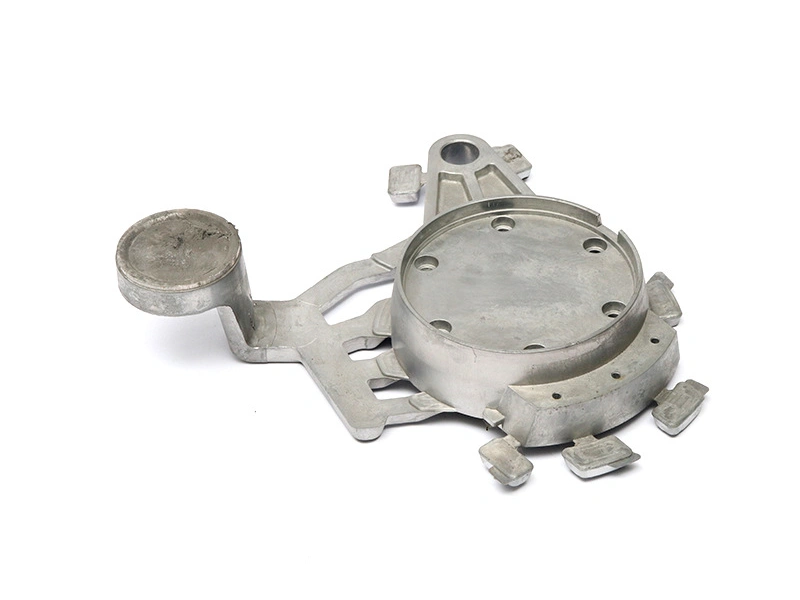
Once tooling begins, design changes become more expensive and slower. A part may look correct in 3D, but it may still have casting manufacturing risks such as uneven wall thickness, insufficient draft, heavy bosses, sharp corners, unclear cosmetic faces or missing CNC allowance.
Neway can provide casting manufacturing design review and engineering support for cast parts before mold manufacturing begins.
DFM Issue | Casting Manufacturing Risk | Improvement Method |
|---|---|---|
Uneven wall thickness | Shrinkage, porosity and deformation. | Optimize wall transitions. |
Missing draft | Demolding difficulty and tooling wear. | Add proper draft angles. |
Sharp corners | Stress concentration and filling problems. | Add suitable fillets. |
Poor boss design | Sink marks, hot spots or internal defects. | Adjust structure and wall balance. |
No machining allowance | CNC post-machining may fail. | Add controlled stock for machined areas. |
Undefined cosmetic face | Visible tooling marks may appear. | Plan tooling layout around visible surfaces. |
2. How DFM Reduces Tooling Correction
DFM helps review wall thickness, ribs, bosses, fillets, holes, parting lines, gate positions, ejector marks and machining allowance before mold build. This reduces the chance that the first trial casting exposes avoidable design problems.
Neway can support tooling for casting manufacturing by connecting mold planning with material choice, casting geometry, CNC needs and surface finishing requirements.
3. How DFM Improves Functional and Cosmetic Results
Functional features such as holes, threads, datum surfaces, sealing faces and assembly interfaces should be identified before tooling. Cosmetic surfaces should also be marked early so parting lines, gates and ejector marks do not appear on visible areas when avoidable.
For complex projects, Neway can help improve manufacturable casting design. If filling or defect risks need deeper review, mold flow analysis for die casting precision can support better tooling decisions.
DFM Risk If Skipped | Possible Result | Recommended Control |
|---|---|---|
Buyer opens tooling directly. | Structure problems may appear during trial casting. | Complete DFM review before mold manufacturing. |
Machining areas are not reserved. | Critical features may not have enough CNC allowance. | Mark machined areas and add controlled stock. |
Cosmetic face conflicts with tooling marks. | Visible surface quality may be rejected. | Define cosmetic surfaces before tooling layout. |
Assembly dimensions are not defined. | Parts may pass casting inspection but fail assembly. | Define datum surfaces, fit areas and functional tests early. |
Repeated mold corrections occur. | Cost and lead time may become difficult to control. | Use engineering review before tooling investment. |
4. How Neway Supports DFM Before Casting Manufacturing
Neway can review the part design before tooling and help buyers identify risks related to casting, CNC post-machining, surface finishing, inspection and assembly. This makes casting manufacturing more predictable before formal production begins.
Summary
Buyer Concern | DFM Value |
|---|---|
Will the part cast correctly? | DFM reviews wall thickness, draft, ribs, bosses, fillets and filling risks. |
Will CNC post-machining work? | DFM helps reserve machining allowance and define datum surfaces. |
Will the visible surface be acceptable? | DFM helps plan parting lines, gates and ejector marks around cosmetic faces. |
When should DFM happen? | Before tooling, so mold correction and production delay can be reduced. |