What aluminum alloys are most commonly used in engine die casting?
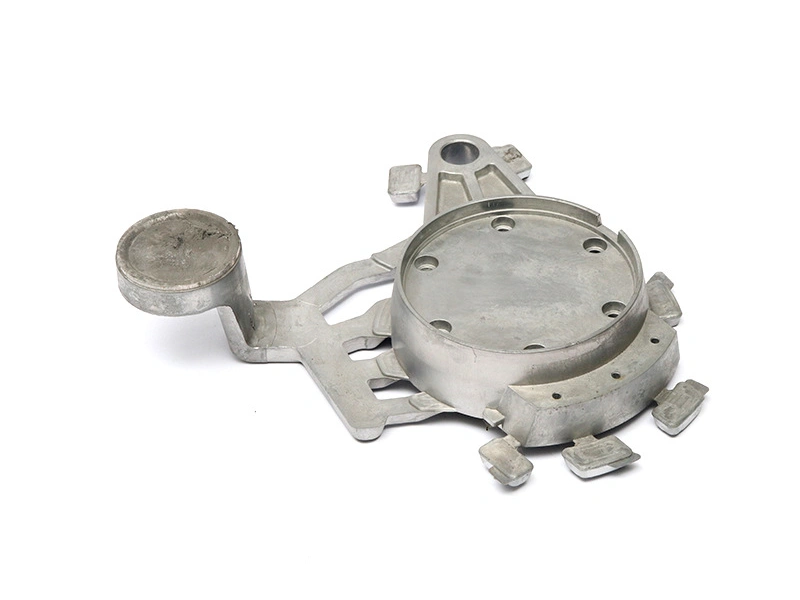
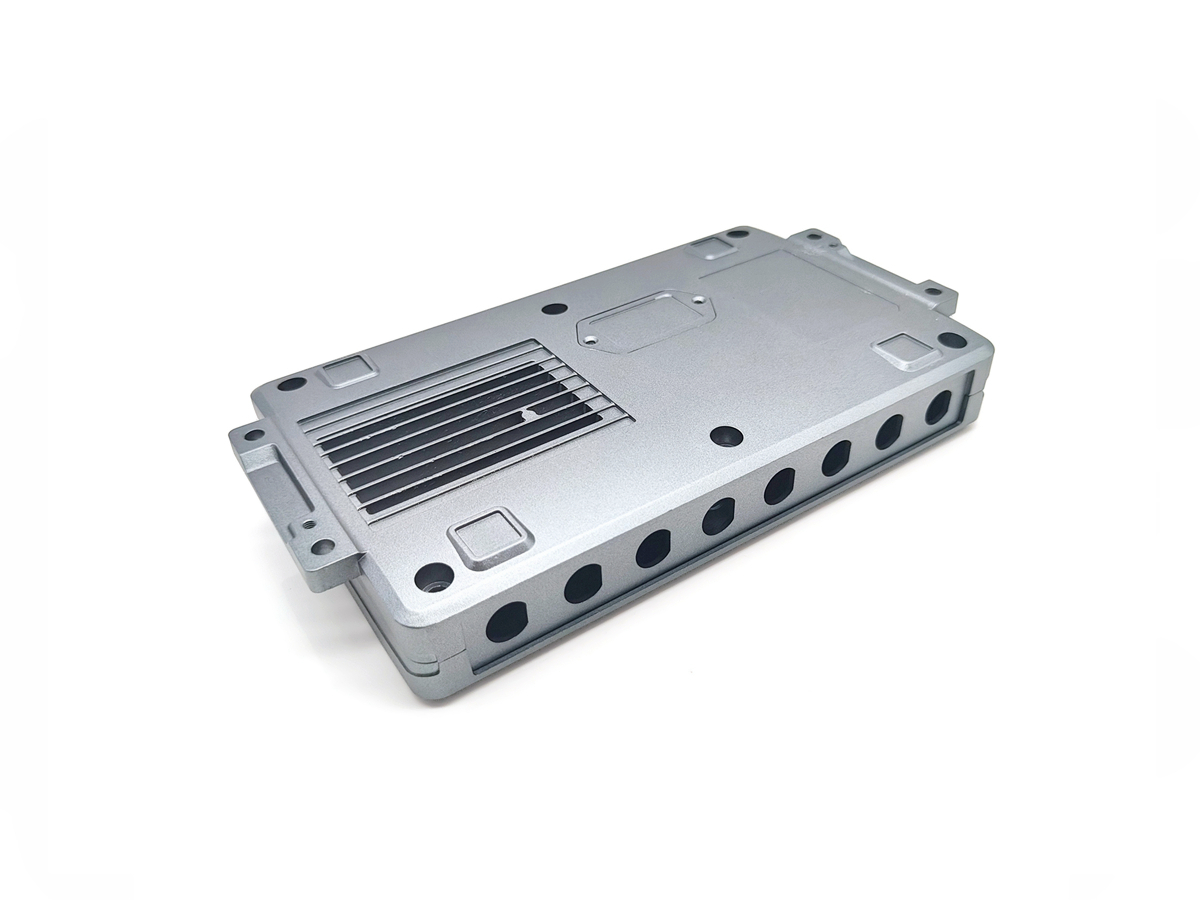
Common engine and powertrain aluminum casting alloys include A380, ADC12/A383-type, A360, AlSi12 variants, A356, and AlSi10Mg-type grades, but they are not interchangeable. A380, ADC12/A383-type, A360, and some AlSi12 compositions are often screened for high-pressure cast covers, oil pans, housings, cases, brackets, and pump components. A356 and AlSi10Mg-type alloys are commonly associated with gravity, low-pressure, permanent-mold, or other routes and heat-treatment conditions. The right choice depends on the exact component, approved casting route, temperature-time profile, pressure boundary, fatigue demand, fluid, corrosion, machining, and validation.
Separate alloy name from production condition
An alloy designation should be tied to a material standard, chemistry limits, casting process, heat treatment or as-cast condition, and test location. Similar commercial names can refer to regional specifications with meaningful differences. Mechanical or physical values from a handbook may describe a separately cast specimen or one condition and may not represent a gate region, thick boss, thin wall, machined gallery, or hot production component.
Conventional high-pressure die castings can contain entrapped gas and oxide films that affect heat-treatment and property decisions. Vacuum-assisted, squeeze, semi-solid, low-pressure, gravity, and permanent-mold routes produce different structures and constraints. Buyers should specify the route and evidence needed rather than allowing a supplier to choose any process under the label aluminum die casting.
Screen A380 and ADC12-type alloys for integrated housings
A380 is widely screened in North American high-pressure die casting for housings, pans, covers, brackets, and cases because it combines castability, machining response, and general mechanical performance. ADC12/A383-type alloys are frequently considered for complex high-pressure cast geometry and production repetition. Exact chemistry and approved equivalence still need to be stated.
Neither family is automatically suitable for a combustion boundary, highly loaded rotating member, hot exhaust-side component, or deeply machined pressure passage. Evaluate local porosity and oxide-film risk, thermal distortion, fatigue, seal behavior, threads, corrosion, oil or coolant compatibility, and retained properties at the component's temperature and dwell.
Screen A360 and AlSi12 where their tradeoffs fit
A360 may be considered for selected housings or fluid-related components where its castability, corrosion behavior, pressure-integrity strategy, and mechanical tradeoffs fit the design. It can be more demanding to cast than a general-purpose alternative, so tool, machine, fill, thermal balance, and stable yield are part of the decision. Do not assign it to a wet environment from corrosion ranking alone.
AlSi12 descriptions cover more than one specification and route. High silicon can support fluidity and dimensional behavior for selected geometries, but elongation, machining, heat treatment, fatigue, and local integrity depend on the exact composition and process. Specify the standard rather than treating "AlSi12" as a complete material definition.
Use A356 and AlSi10Mg with their intended routes
A356 is commonly used in gravity, low-pressure, permanent-mold, and related casting routes, often with controlled heat treatment, for parts that may require a different property and integrity balance. AlSi10Mg-type alloys likewise appear in multiple casting and additive routes. Their presence on an alloy list does not mean that a conventional high-pressure die casting receives the same structure, heat treatment, ductility, or fatigue behavior.
Cylinder heads and other cored thermal-fluid parts often drive route selection through passage complexity, thermal fatigue, pressure integrity, heat treatment, and section requirements. The buyer should compare feasible route-and-alloy combinations instead of starting with a desired grade and forcing it into an unsuitable process.
Compare alloys by engine failure mode
Decision | Alloy/route input | Evidence that decides |
|---|---|---|
Hot dimensional retention | Composition, condition, section, aging and thermal expansion | Hot assembly dimensions and function after representative cycles |
Oil or coolant boundary | Local fill, oxide films, porosity, machining depth and corrosion | Machined-state integrity, pressure cycles, leak and fluid exposure |
Bearing or gear support | Stiffness, fatigue basis, creep/relaxation and thermal gradient | Loaded hot alignment, endurance, wear, noise and vibration |
Fastened cover or bracket | Boss integrity, thread/insert, flange stiffness and surface system | Torque retention, joint slip, sealing, corrosion and service cycles |
Send material requirements that can be quoted
Include downstream operations in the alloy decision. Silicon, intermetallics, local porosity, oxide films, hardness, and heat-treatment condition influence tool wear, burr formation, threads, seal surfaces, and the risk of opening a fluid path during machining. Washing must remove chips and abrasive from galleries without leaving incompatible residue. Surface treatment must suit the substrate and preserve grounding, sealing, bearing, and thermal interfaces.
Control substitutions and supply changes. A regional "equivalent" may meet a broad chemistry description while changing impurities, melt practice, recycled input, fluidity, machinability, corrosion, or hot properties. Require technical comparison and affected component revalidation before changing designation, standard, source, return ratio, heat treatment, or process route. Keep material and cavity traceability deep enough to contain a field or production issue.
Provide component function, approved routes, material standard, temperature map and time, loads, vibration, pressure history, oil/coolant/chemicals, corrosion, critical zones, machining, heat treatment, finish, target life, inspection, validation, and traceability. Ask the supplier to return exact designation and condition, chemistry controls, melt practice, returns policy, cavity strategy, local property basis, substitutions, and change notification.
Release the alloy only after production-intent components meet the required thermal, pressure, dimensional, cleanliness, and endurance functions. The most common alloy is useful as an RFQ starting point, not as evidence that an engine component is durable.