What are the most durable die casting materials for industrial components?
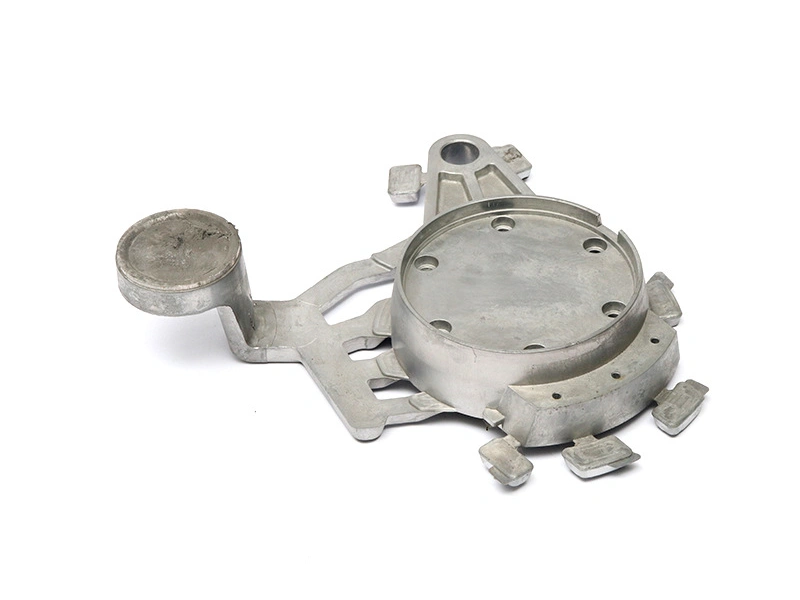
There is no single most durable die casting material for every industrial component. Aluminum alloys are often the practical choice for larger housings and brackets where lower mass, stiffness, heat transfer, and corrosion-system options matter. Zinc alloys can be better for compact mechanisms that need detail, stable geometry, impact tolerance, or wear-resistant interfaces. The durable choice is the alloy, casting route, section design, surface system, and inspection plan that resist the component's actual failure mode.
Define what durability means in the machine
Begin with the component's job. A gearbox housing must hold bearing alignment under torque and temperature. A pump cover may need local pressure integrity and fluid compatibility. A latch body sees contact wear and repeated impact. An outdoor enclosure needs corrosion, ingress, grounding, and thermal performance. These parts cannot be ranked by tensile strength alone.
Provide normal and upset loads, vibration spectrum, impact, sustained load, temperature and dwell, fluids, abrasive contamination, corrosion exposure, mating metals, maintenance, target life, and failure consequence. Also identify critical zones such as bearing seats, threads, seals, pressure passages, wear contacts, and fatigue paths. Material selection without this map is only a preliminary screen.
Screen aluminum for large integrated components
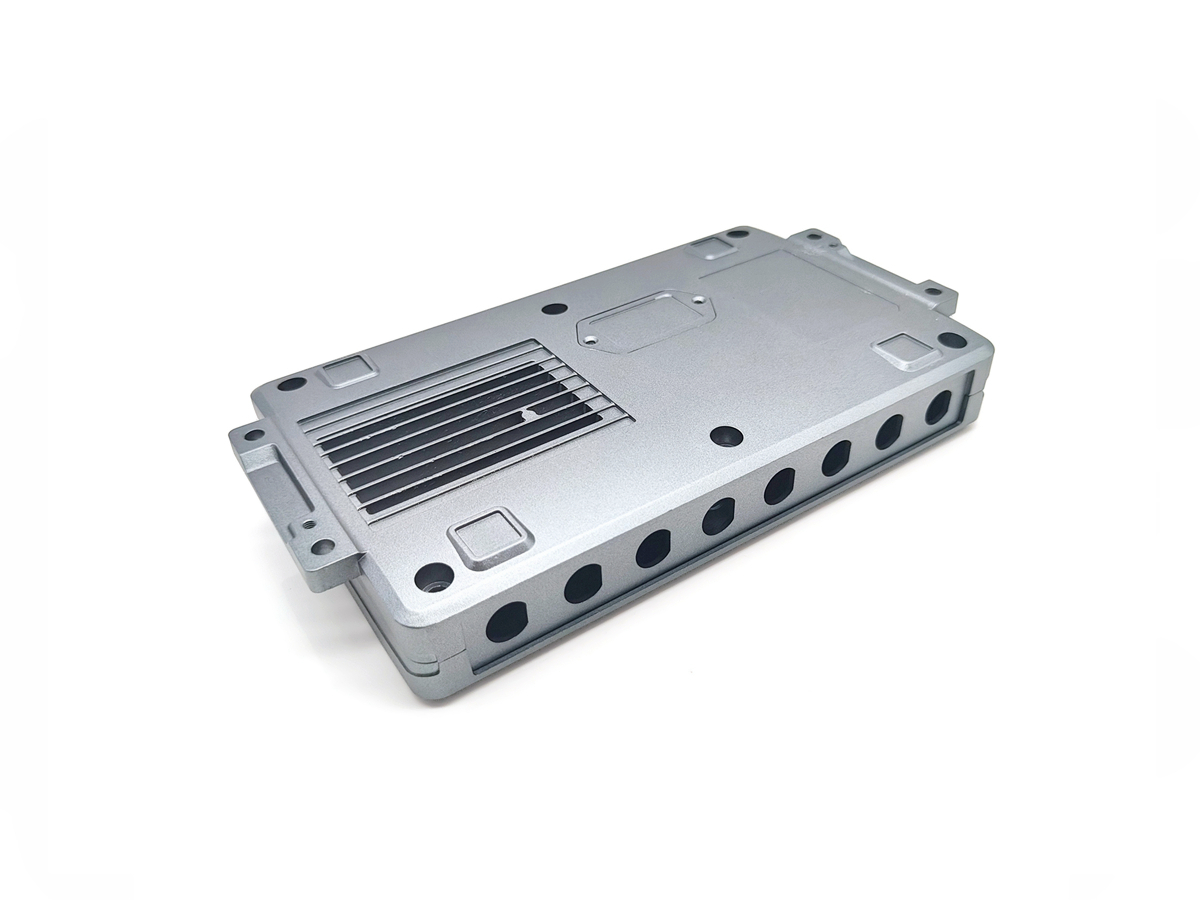
Aluminum die casting is widely considered for motor housings, gearbox cases, pump bodies, control enclosures, covers, and structural brackets. A380 is commonly screened for general high-pressure die cast geometry and machinability; A360 may be considered where corrosion behavior and pressure-tight design are priorities. ADC12, A383, A413, AlSi12, AlSi10Mg-type, and A356 names each require the exact specification, chemistry, temper or condition, and process route.
The route matters as much as the alloy label. Conventional high-pressure die casting, vacuum-assisted casting, squeeze casting, semi-solid processing, low-pressure casting, and gravity casting can produce different porosity, oxide-film, heat-treatment, ductility, and section-property outcomes. A property from a separately cast specimen should not be assigned to a thick boss, gate region, machined wall, or fatigue-critical production zone without supporting evidence.
Screen zinc for compact mechanisms and interfaces
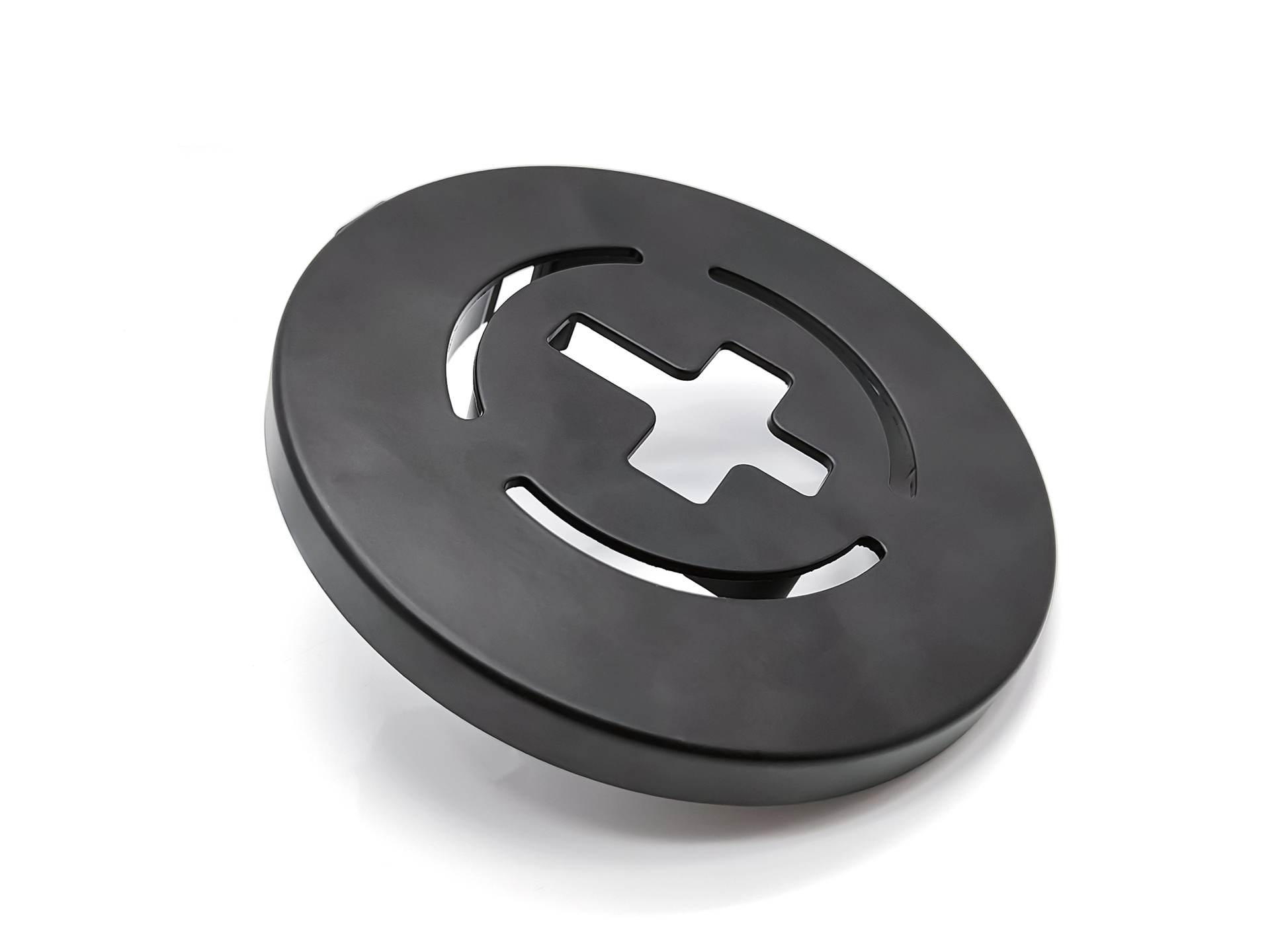
Zinc die casting can suit small gears, linkages, latch bodies, control parts, sensor housings, fittings, handles, and compact supports. Zamak 3 is often screened for castability, dimensional detail, and finishing; Zamak 5 adds copper relative to Zamak 3 and may be considered when strength, hardness, or wear behavior is useful. ZA families are not interchangeable with Zamak families and may use different casting conditions.
Zinc's higher density can be acceptable in a compact part but undesirable in a large moving assembly. Sustained stress, elevated temperature, creep or relaxation, aging, lubricant, galvanic couples, and coating damage deserve explicit review. A room-temperature strength ranking does not predict retention of a loaded boss beside a warm motor or the long-term preload of a fastened joint.
Compare materials against the dominant risk
Component condition | Useful material screen | Evidence that decides |
|---|---|---|
Large housing with bearing datums and heat | Aluminum alloy and route with suitable stiffness, integrity, and machining behavior | Loaded alignment, thermal cycle, vibration, leakage, and bore stability |
Compact linkage with detail and repeated contact | Zinc alloy screened for wear, impact, section, temperature, and finish | Mechanism cycling, wear measurement, retention, and corrosion condition |
Pressure or lubricant boundary | Alloy and process selected around local connected-discontinuity risk | Machined-state integrity, cleanliness, proof/leak, pulsation, and section review |
Outdoor fastened assembly | Substrate plus conversion, paint, powder, plating, or controlled bare zones | Complete joint corrosion, scratches, drainage, torque retention, and service exposure |
Fatigue-sensitive support | Route and geometry with a justified local material/defect basis | Load spectrum, analysis correlation, component endurance, and fracture inspection |
Do not ignore interfaces and hybrid designs
The durable answer may be a hybrid. Steel sleeves can protect bearing or wear surfaces; threaded inserts can support service cycles; separate bushings can control friction; seals and coatings can isolate fluids or metal couples. Each addition creates retention, differential-expansion, fretting, corrosion, lubrication, inspection, and repair questions. Validate the complete interface, not just the casting coupon.
Geometry can reverse an apparent material advantage. Uniform walls, generous transitions, supported bosses, short load paths, appropriate ribs, drainage, cleaning access, and controlled machining stock often matter more than a small difference in nominal alloy strength. Use casting design review to place gates, vents, overflows, slides, ejectors, datums, and high-risk integrity zones away from critical functions where practical.
Specify the material, route, and acceptance together
An RFQ should identify the exact material standard or permitted alternatives, casting route restrictions, heat treatment if applicable, critical zones, machining, finish, inserts, cleanliness, inspection, tests, traceability, and change approval. Ask the supplier to state the proposed alloy and condition, source controls, melt controls, cavity strategy, local integrity assumptions, sample evidence, repair limits, and substitutions.
Release the material only after production-intent components demonstrate the required function at representative temperature, load, vibration, fluid, corrosion, and maintenance conditions. That approach produces a durable industrial casting. Choosing the alloy with the largest isolated strength number does not.