What is the lead time for complete casting and finishing?
There is no universal lead time for complete casting and finishing. A new program can require DFM, material procurement, tooling, trials, corrections, casting, machining, cleaning, surface qualification, finishing, assembly, final tests, documentation, packaging, and transport. A repeat order may skip development work, but its date still depends on tool condition, booked capacity, material, quantity, finish lot, and current inventory.
Define the delivery condition
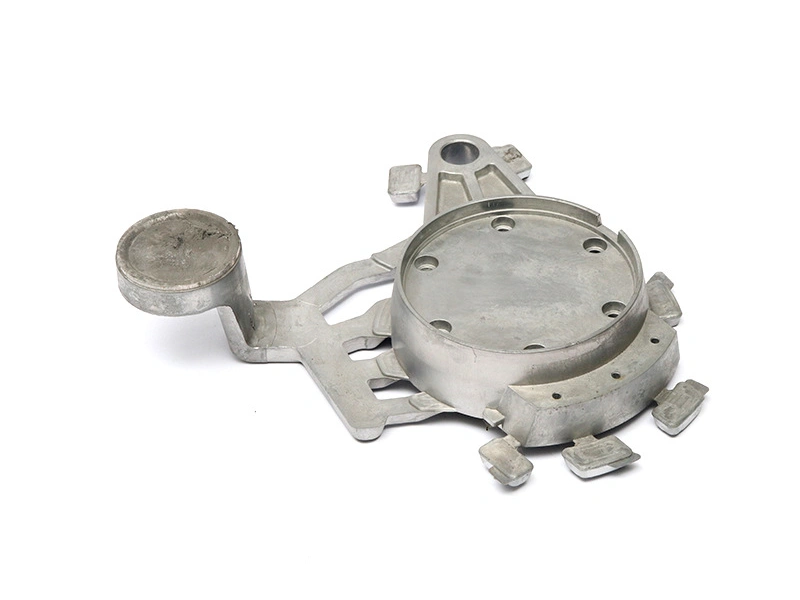
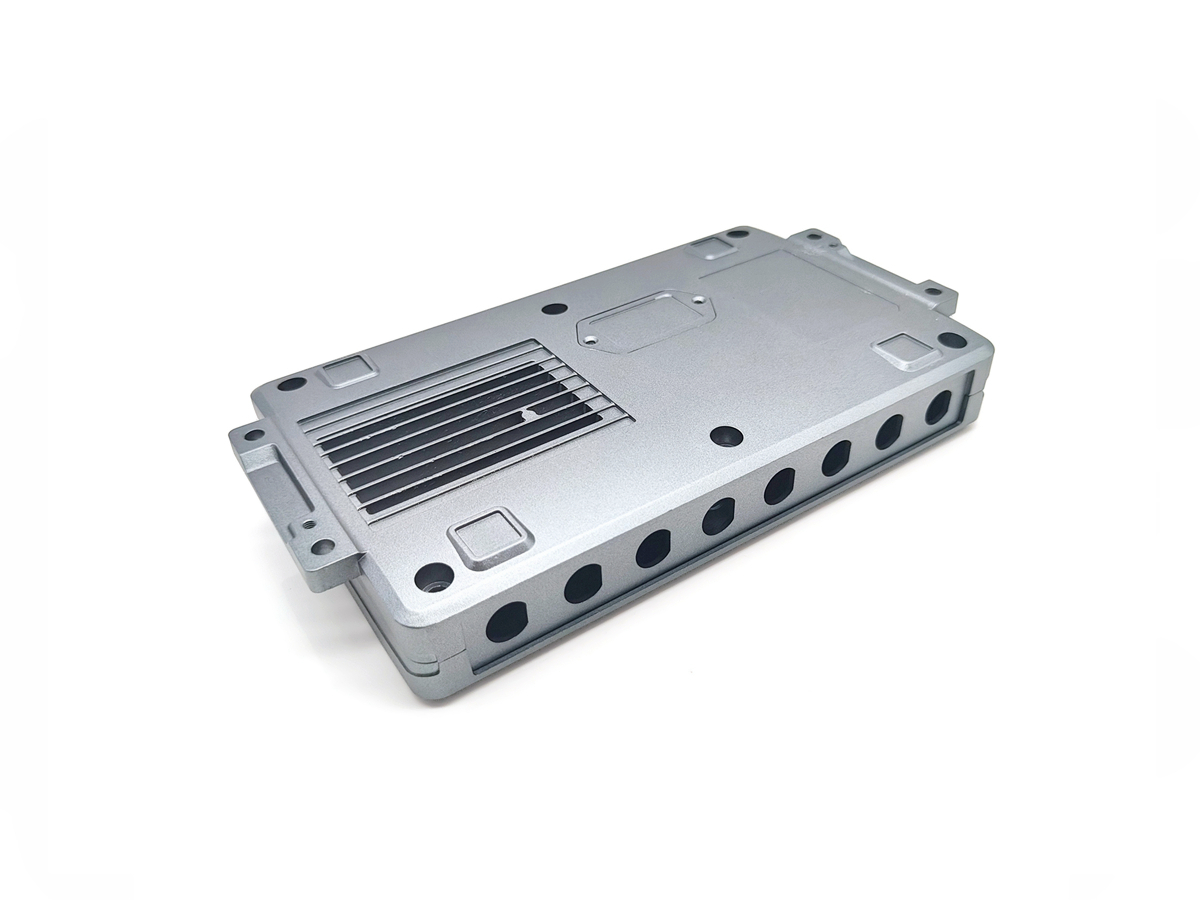
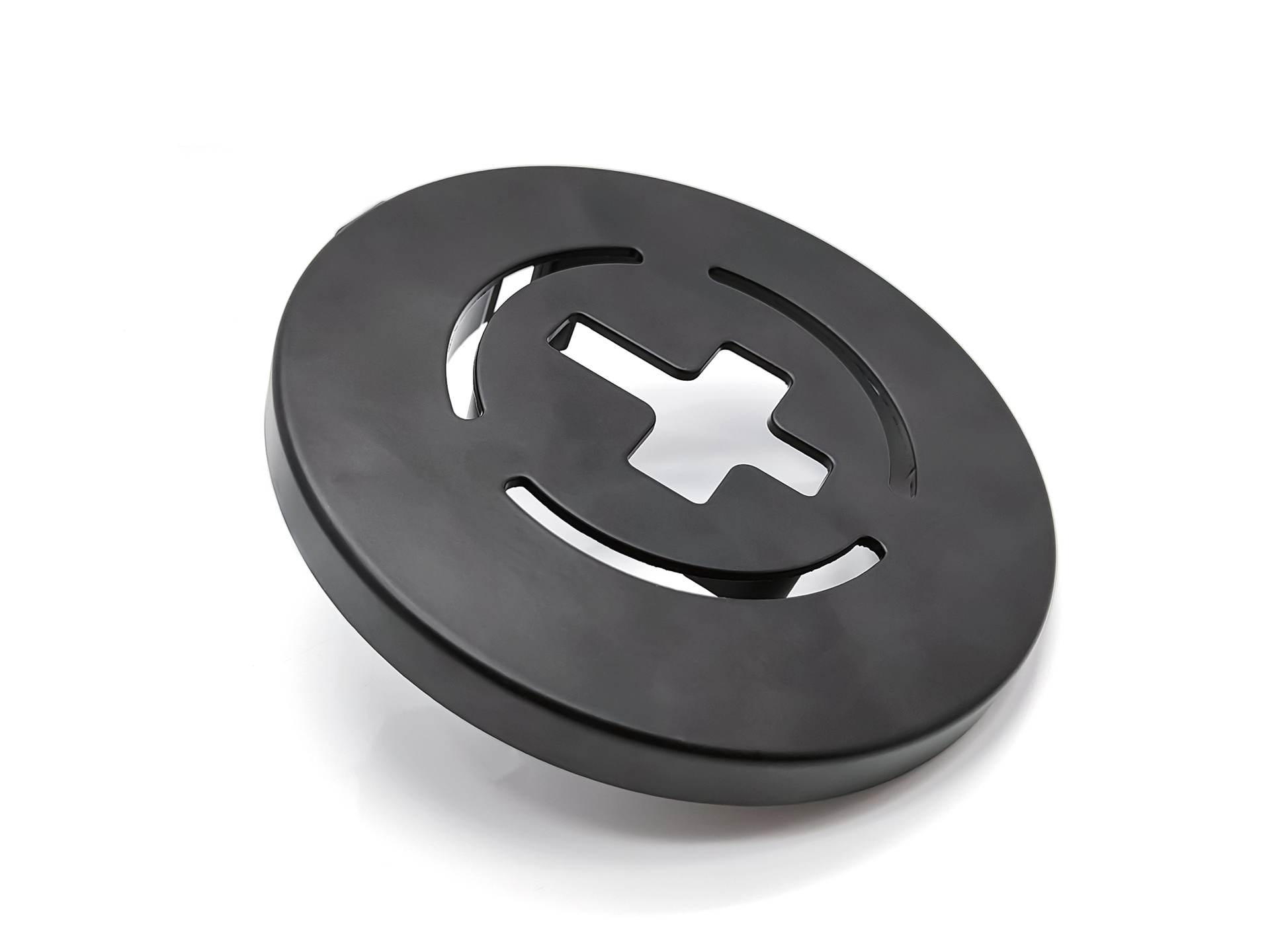
"Complete" must be specific. State whether delivery is a raw trimmed casting, heat-treated casting where applicable, machined part, coated component, assembled unit, tested product, or packed item at a destination. A schedule for cast blanks cannot be compared with a schedule that includes final functional release.
Identify the first date needed and the sustained cadence. First tool samples, first accepted finished parts, partial delivery, and stable production rate are separate milestones. Include buyer review and approval time because a finished sample can wait for disposition.
Build the critical path from gates
Stage | Required input | Release gate |
|---|---|---|
Engineering and material | Controlled CAD, drawing, demand and requirements | Approved DFM, route, alloy and open-item closure |
Tooling and trial | Released design and tool concept | Corrected tool, sample evidence and production permission |
Casting and trim | Material, capacity, tool, trim and process plan | Accepted raw parts with lot/cavity identity as required |
Machining and cleaning | Raw parts, fixture, program, tools and operation drawing | First-off and batch acceptance in clean condition |
Finishing | Approved substrate, preparation, masking and reference | Finish-lot appearance and functional evidence |
Assembly, test and delivery | Released components, work instruction and packaging | Accepted quantity, documents and shipment release |
Schedule tooling by the actual milestone
Tool and die timing depends on tool type, material, cavities, inserts, slides or cores, cooling, ejection, trim, gauges, and approved design. Tool-design approval, trial readiness, dimensional sample approval, functional approval, and production release are not the same date.
Trials can reveal fill, gas, shrinkage, distortion, flash, ejection, trim, machining-stock, or surface issues. The plan should show how parameter changes, steel corrections, repeat trials, measurements, and buyer approvals are handled. Do not hide an unknown correction cycle inside a fixed standard duration.
Align casting and machining capacity
Production duration should use accepted output after setup, warm-up, sampling, maintenance, changeovers, and expected operational loss. Casting can finish before machining if fixtures, tools, inspection, or cleaning are the bottleneck. Match capacity and delivery batches across both stages.
Machining needs acceptable raw parts, controlled stock and datums, fixtures, programs, cutters, first-off inspection, in-process control, burr removal, and cleaning. If a functional test follows machining, reserve time for its fixture and review.
Treat finishing as a qualified batch process
Surface processing depends on alloy, cast or machined substrate, preparation, masking, rack, bath or paint lot, cure, appearance reference, coating-sensitive dimensions, and tests. Internal or external finishers both have capacity and batch conditions. A color, special chemistry, complex masking, or new appearance standard can control the schedule.
Book sample approval and production finish separately where needed. A sample produced on a different substrate or hand-prepared route may not release the production finish. Allow time to diagnose whether a failure comes from casting surface, cleaning, preparation, finishing, handling, or measurement.
Include assembly, quality, and documents
Assembly may wait for purchased inserts, seals, fasteners, adhesives, electronics, or mating parts. Define revision, receiving acceptance, work instruction, joining or torque, cure, functional test, and rework. A missing low-cost component can hold a high-value finished casting.
Final release may require dimensional reports, material records, coating results, leak or functional tests, deviation approval, packaging evidence, or customer-specific documents. Agree who reviews these and by when. Paperwork is part of lead time when shipment cannot release without it.
Use partial delivery with a purpose
Unfinished or early parts can support fixture validation, dimensional review, assembly preparation, or controlled launch work while the balance continues. Define the condition and evidence for each subset. Do not label an unfinished sample as final delivery.
Splitting a lot can add setup, finish variation, inspection, packaging, freight, and administration. Use partial delivery only when the earlier decision or supply benefit is greater than those costs. Preserve revision and lot traceability across every split.
Schedule repeat work from current status
For repeat orders, check tool location and maintenance, approved revision, material coverage, machine and fixture availability, finish capacity, current inventory by process state, packaging, and open nonconformances. A recent stable run and a dormant tool do not have the same replenishment path.
Blanket releases can reserve material and capacity while controlling finished stock, but forecast, freeze, change, and cancellation rules must be clear. Safety stock can be held as raw, machined, finished, or assembled material; each protects a different segment and carries different obsolescence risk.
Request a dated end-to-end plan
Provide CAD and drawing revision, material, quantity, annual demand, tool status, required delivery condition, machining, finish, assembly, tests, documents, appearance reference, buyer approval times, packaging, destination, partial-delivery needs, and fixed launch dates. Identify known changes or exceptions.
The supplier can then return a critical path with stage owners, internal and external operations, assumptions, approvals, capacity, and recovery actions. That dated route is the reliable answer to complete casting and finishing lead time; generic week ranges are only unsupported placeholders.