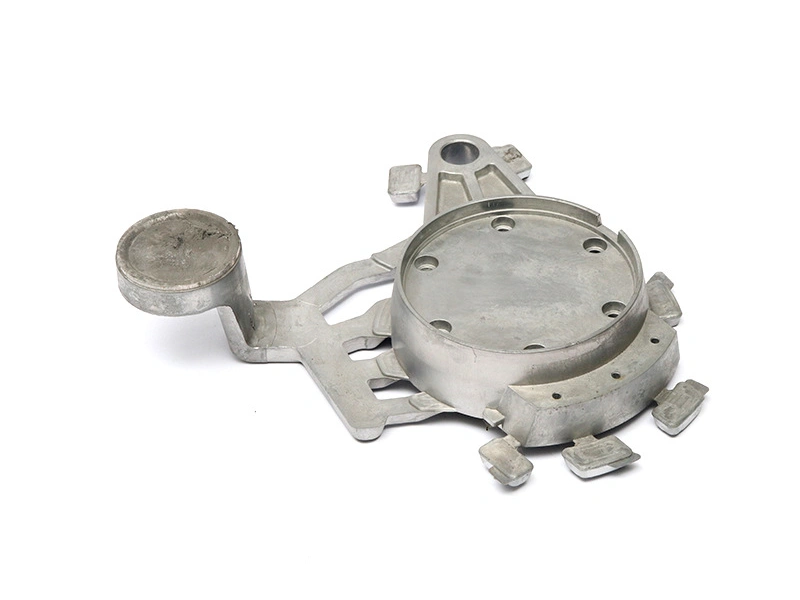
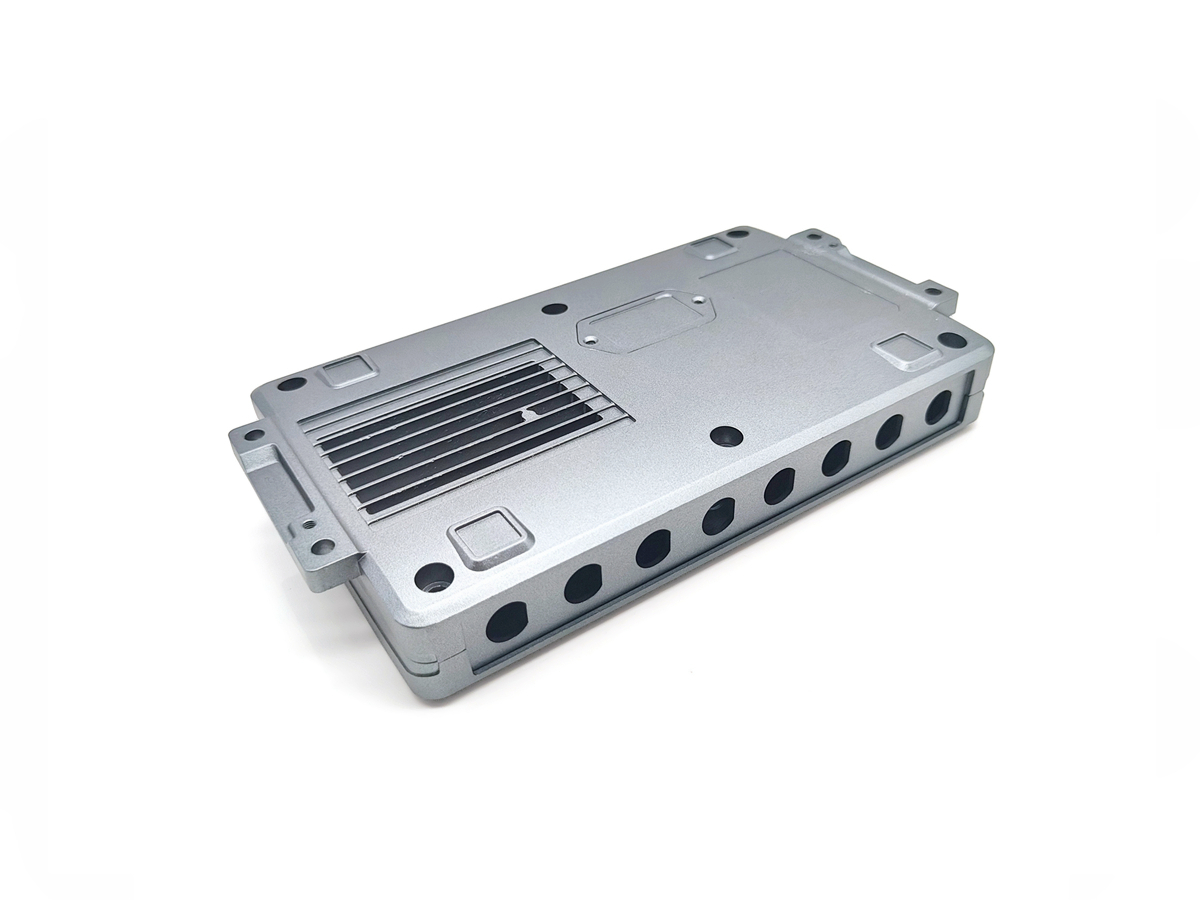
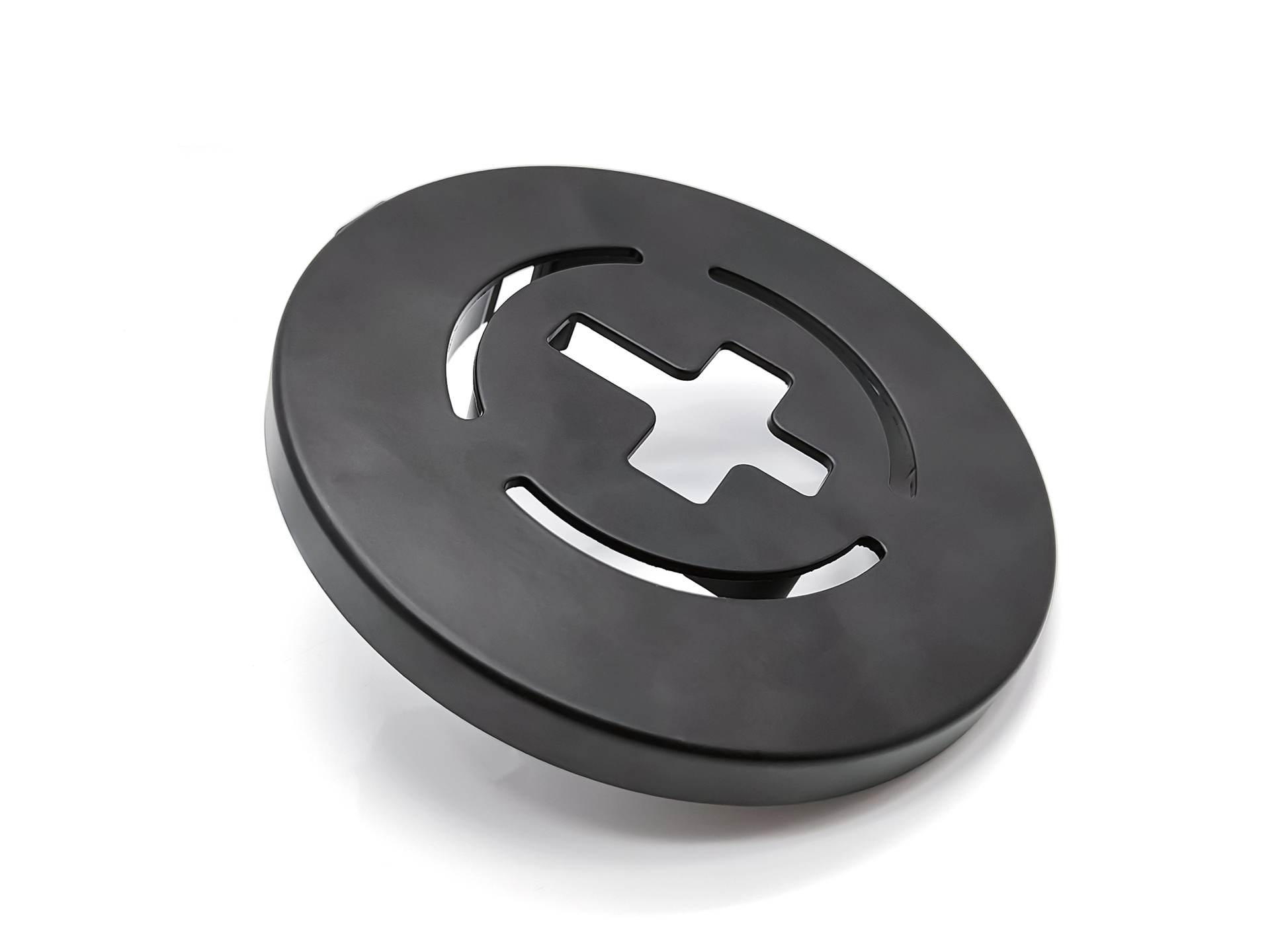
What Problems Can Integrated Metal Casting Solutions Solve Before Tooling?
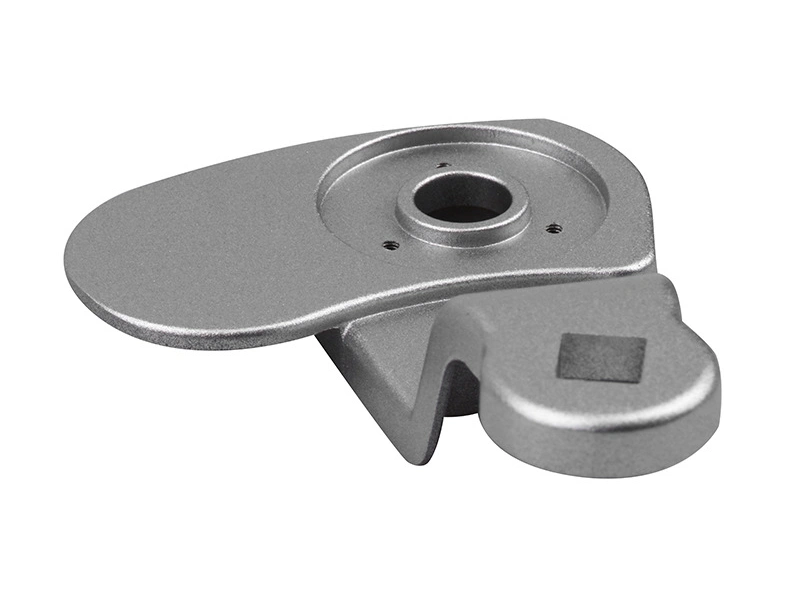
What Problems Can Integrated Metal Casting Solutions Solve Before Tooling?
Integrated metal casting solutions can solve many problems before tooling, including unsuitable material selection, poor wall thickness, insufficient draft, unclear cosmetic surfaces, missing machining allowance, risky parting lines, surface finish conflicts and assembly fit issues. Early review helps buyers avoid expensive mold changes and production delays.
1. Why Pre-Tooling Review Is Important
Once tooling begins, changes become more expensive and slower. If wall thickness, material, parting line, machining allowance or surface finish requirements are wrong, the issue may only appear during trial casting or sample approval. Integrated review helps detect these problems before mold manufacturing.
Neway can connect integrated metal casting solutions with design, engineering, tooling, post-machining and inspection planning so buyers can reduce risk before production investment.
Pre-Tooling Problem | Integrated Solution |
|---|---|
Wrong material choice | Material and application review. |
Uneven wall thickness | DFM and design optimization. |
Poor cosmetic surface planning | Tooling layout review. |
Missing machining allowance | CNC and post-machining review. |
Finish affects assembly | Surface finish and tolerance review. |
Unclear quality standard | Inspection planning before tooling. |
2. How DFM Review Reduces Mold Risk
DFM review can identify wall thickness issues, insufficient draft, sharp corners, difficult ribs, heavy bosses, trapped areas and filling risks. These issues may cause shrinkage, porosity, deformation, short shots or mold modification after trial casting.
Neway can support metal casting design review and engineering support for casting projects to help buyers make parts easier to cast, machine, finish and assemble.
3. How Tooling, Machining and Finish Review Work Together
Tooling review should consider parting line, gate location, ejector marks, venting, cooling and visible surfaces. If cosmetic surfaces are not defined early, tooling marks may appear on the most important face. If machining allowance is missing, functional dimensions may not be corrected after casting.
Neway can support tooling for metal casting solutions and post-machining planning for cast parts so the mold and downstream processes are planned together.
Risk if Not Reviewed Early | Possible Result | Recommended Control |
|---|---|---|
Drawing goes directly to tooling | Design problems appear during trial casting. | Use DFM review and engineering support before mold making. |
Cosmetic surfaces are unclear | Parting line, ejector marks or gate marks appear on visible areas. | Define visible surfaces before tooling layout. |
Machining allowance is missing | Functional dimensions cannot be guaranteed after casting. | Mark post-machining areas and reserve stock. |
Surface finish is not included in drawing | Coating thickness or appearance requirements may conflict with assembly. | Review surface finish, tolerance and assembly clearance together. |
Assembly relationship is not reviewed | Parts may pass individual inspection but fail final assembly. | Evaluate mating parts and functional fit before tooling. |
4. How Manufacturable Design and Mold Flow Analysis Help
For complex projects, Neway can help buyers improve manufacturable casting design. When filling, air trapping, hot spots or defect risks need deeper review, mold flow analysis for die casting can support better pre-tooling decisions.
Summary
Buyer Concern | Integrated Solution Value |
|---|---|
Will the design cast properly? | DFM review can check wall thickness, draft, ribs, bosses and filling risk. |
Will the visible surface look acceptable? | Tooling layout review can control parting lines, gates and ejector marks. |
Will functional features be accurate? | Post-machining planning can protect holes, threads, datum faces and mating surfaces. |
When should these risks be solved? | Before tooling, because late corrections cost more time and money. |