What Should Be Validated in Prototype Casting Samples?
What Should Be Validated in Prototype Casting Samples?
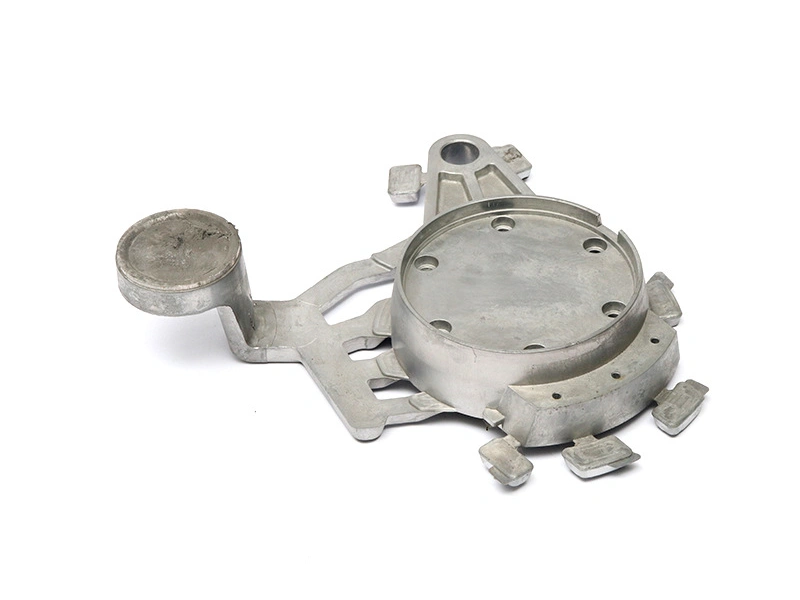
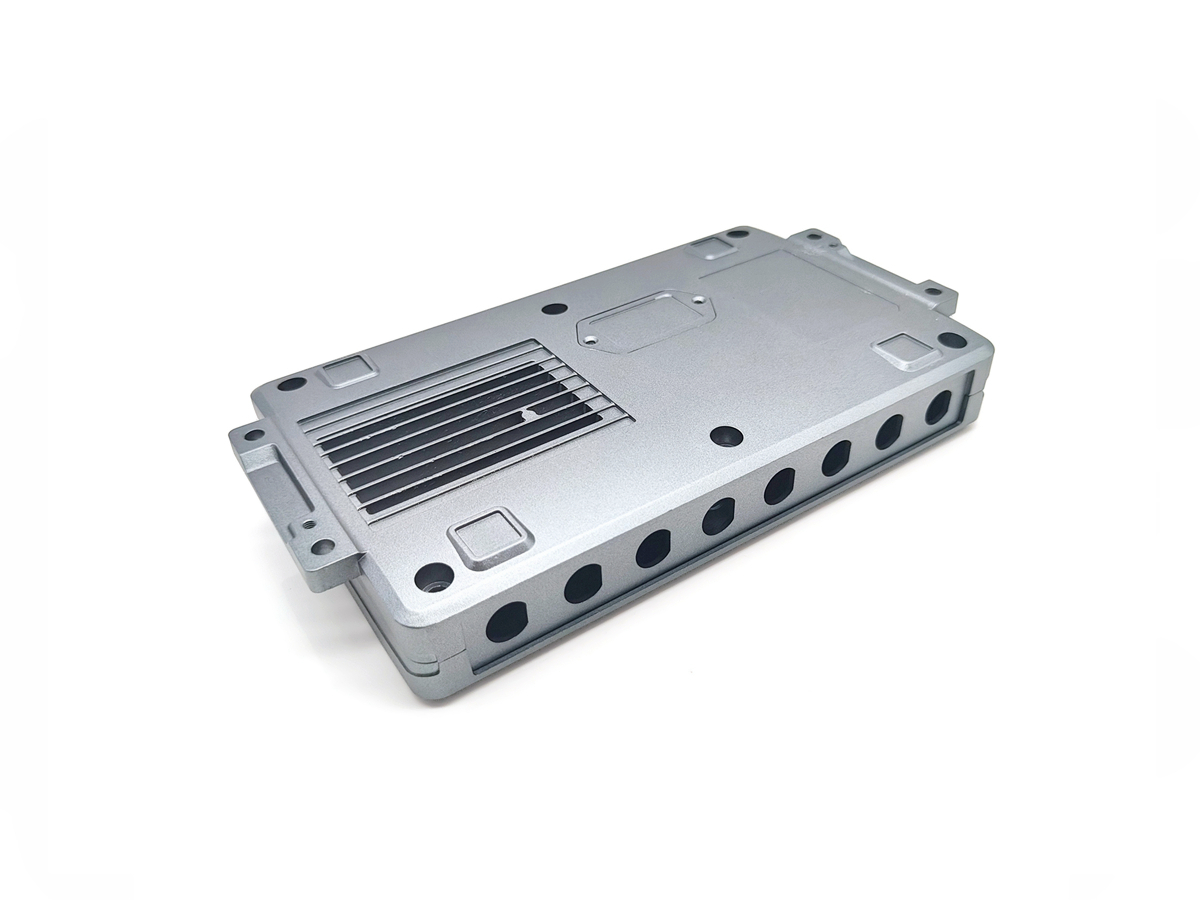
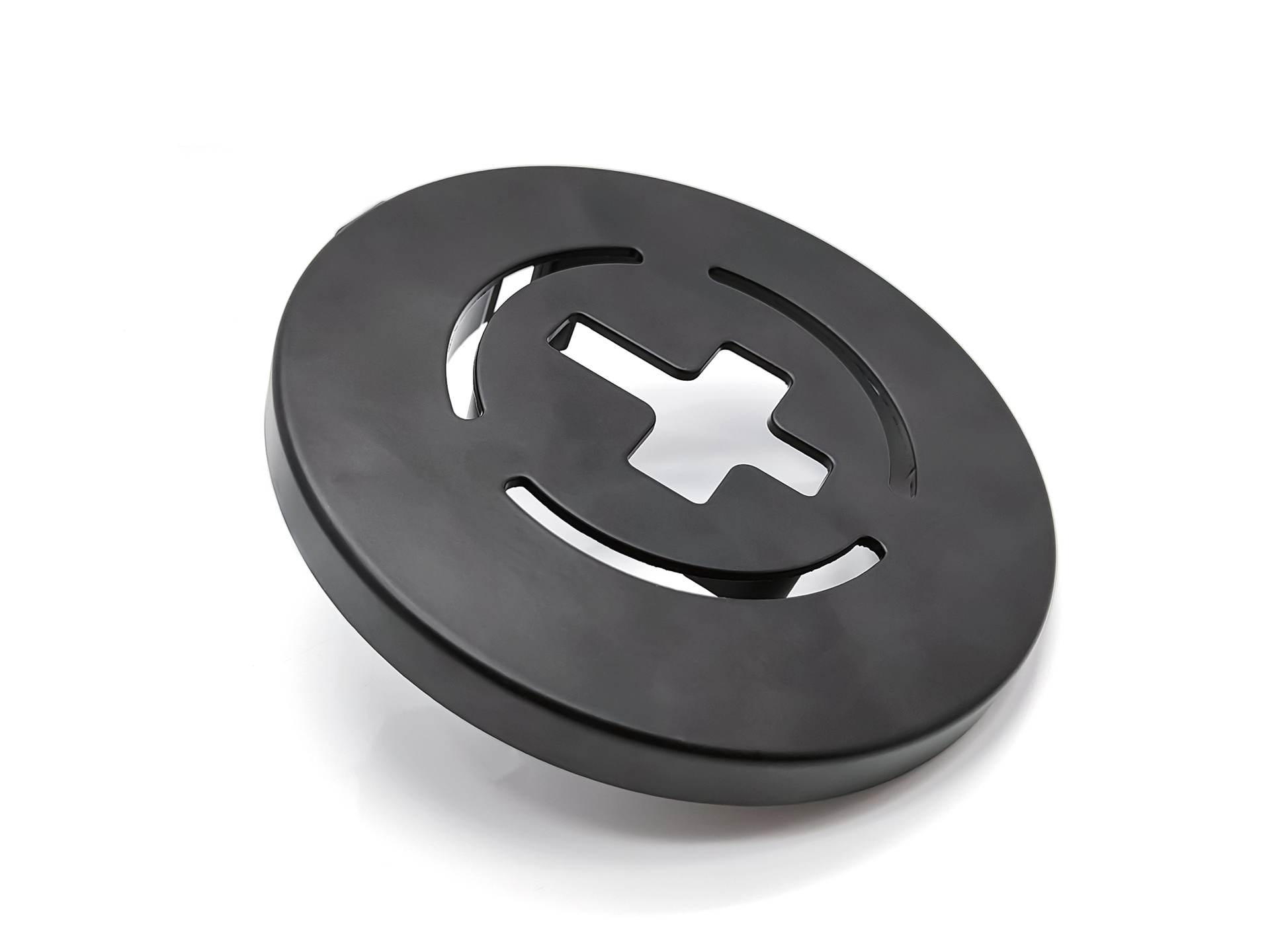
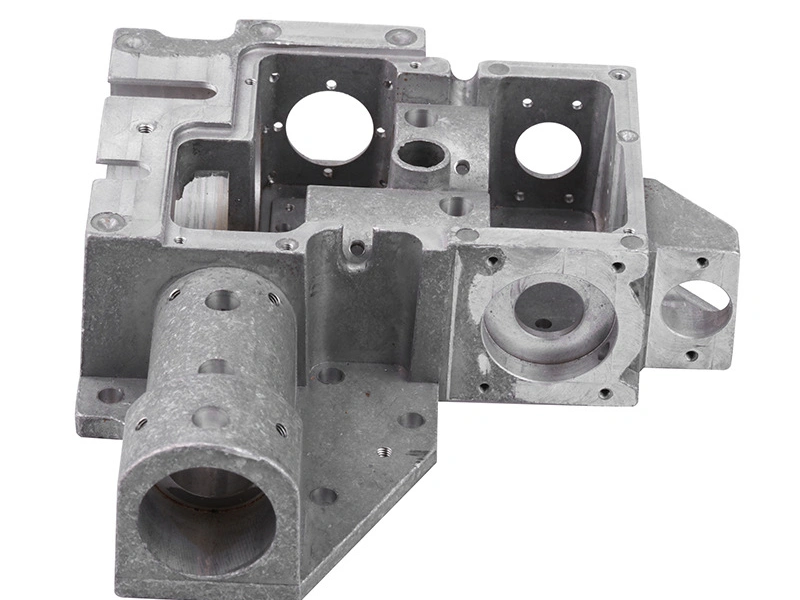
Prototype casting samples should validate part geometry, material performance, critical dimensions, machining areas, surface finish, assembly fit, functional behavior, internal defects, packaging needs and any design changes required before low-volume or mass production.
1. Why Sample Validation Should Go Beyond Appearance
Prototype casting samples should not be approved only because they look similar to the drawing. A sample may look correct but still have critical dimensional issues, machining allowance problems, surface finishing risks, assembly interference or internal defects. Buyers should use prototype samples to build real production knowledge.
The goal is to turn prototype results into updated drawings, approved samples, inspection points and a production checklist.
Validation Item | What to Check | Next Action |
|---|---|---|
Geometry | Wall thickness, holes, bosses, ribs and parting line areas. | Update drawing if design changes are needed. |
Material | Strength, weight, application fit and alloy direction. | Confirm material choice before tooling. |
Dimensions | Critical features, datum surfaces and functional areas. | Define inspection points and tolerances. |
Machining | Holes, surfaces, datum faces and machining allowance. | Confirm CNC process and machining stock. |
Finish | Coating, color, texture and cosmetic surface quality. | Approve finish sample or update finish standard. |
Assembly | Fit, interference, fastening and movement. | Adjust tolerance, geometry or machining plan if needed. |
Function | Real use behavior and performance risk. | Confirm production readiness or request modification. |
2. How Dimensional and Internal Quality Should Be Checked
Critical dimensions should be checked with proper inspection methods. CMM inspection for prototype cast parts can help verify datum surfaces, hole positions, flatness and mating features.
If internal defects may affect strength, sealing or reliability, X-ray inspection for prototype casting can help identify porosity, shrinkage or hidden flaws before the project moves into production.
3. How Surface Finishing and Assembly Testing Should Be Used
If the final part requires coating, painting, texture, corrosion protection or decorative appearance, buyers should validate surface finishing for prototype metal parts during the prototype stage. This prevents surface finish problems from appearing after production tooling.
If the part will be assembled with other components, buyers should run assembly testing for prototype cast parts using real mating parts when possible. This helps confirm fit, interference, fastening and movement before larger production investment.
Prototype Validation Risk | Possible Result | Recommended Control |
|---|---|---|
Sample is checked only for appearance. | Critical dimensions or functional risks may be missed. | Check dimensions, function, assembly and finish. |
No assembly test is performed. | The part may pass sample review but fail in final product fit. | Use real mating parts for fit and interference testing. |
Surface finishing is not validated. | Coating, color or texture problems may appear later. | Approve finish sample during prototype review. |
Internal defect risk is ignored. | Strength or sealing performance may be uncertain. | Use X-ray inspection when internal quality matters. |
Modification feedback is not recorded. | Formal production may repeat prototype-stage mistakes. | Record design changes and convert them into production requirements. |
4. How Neway Turns Prototype Feedback Into Production Standards
Neway can help buyers combine prototype casting samples with inspection, surface finishing, assembly testing and engineering feedback for prototype casting. The final prototype review can then support updated drawings, approved samples, golden samples and production checklists.
Summary
Buyer Question | Recommended Validation |
|---|---|
What should be checked first? | Check geometry, material, dimensions, machining needs, surface finish and assembly fit. |
When should CMM or X-ray inspection be used? | Use CMM for critical dimensions and X-ray when internal defects may affect performance. |
Why test surface finishing in prototype stage? | It helps confirm coating, color, texture and cosmetic quality before production tooling. |
What should happen after validation? | Convert prototype results into approved samples, updated drawings and production checklists. |