What types of finishing are suitable for aerospace die cast parts?
Suitable finishes for aerospace die-cast parts can include conversion coating, anodizing where the aluminum alloy and casting surface support it, primer and paint, selected powder coating, plating, dry-film lubricant, thermal or electrically functional coatings, and controlled bare or machined surfaces. The correct choice comes from the approved drawing, alloy, casting route, environment, interface, and processor requirements. No finish is universally “aerospace grade.”
Define what the surface must do
List the functions by zone: corrosion protection, paint adhesion, wear, electrical bonding, EMI continuity, dielectric isolation, thermal contact, fluid compatibility, adhesive bonding, low friction, color identification, glare control, cleanability, or cosmetic appearance. A connector face, seal land, heat-transfer pad, exposed exterior, internal cavity, threaded hole, and grounding boss may require different conditions on the same part.
State the actual environment: humidity, condensation, salt, industrial atmosphere, fuel, hydraulic fluid, lubricant, cleaners, deicing chemicals, temperature cycles, UV, abrasion, vibration, fire or smoke constraints, and galvanic contact with fasteners or adjacent materials. Specify service and test requirements separately. A laboratory exposure is evidence only under its defined preparation, defect criteria, duration, and method.
Qualify the production substrate
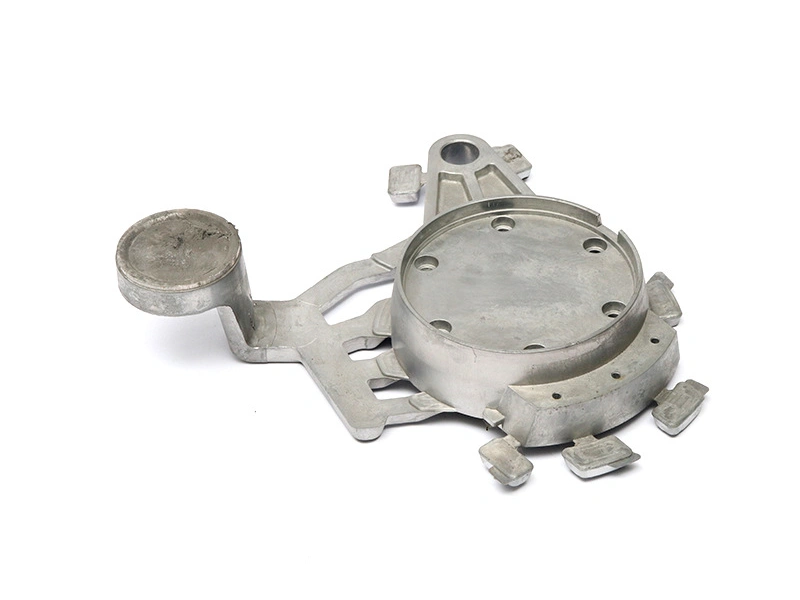
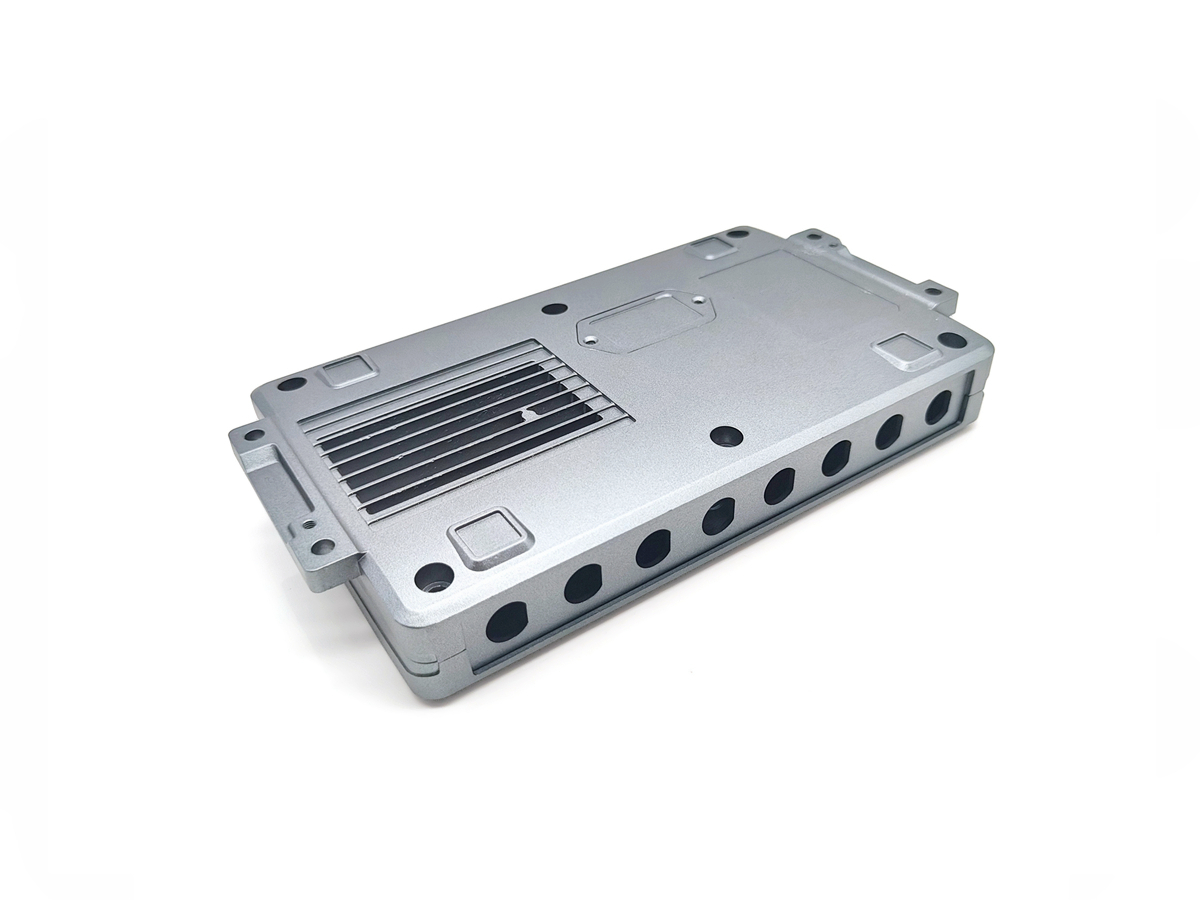
Die-cast aluminum differs from wrought aluminum in chemistry, silicon distribution, porosity, surface skin, release residue, flow marks, and local solidification. Machining, polishing, blasting, tumbling, and chemical preparation expose different substrate conditions. An anodized or painted wrought coupon may not predict appearance, continuity, adhesion, or corrosion on a production casting.
Use parts or representative panels made from the actual alloy and route with production preparation. Include machined areas, pores, edges, recesses, bosses, threads, rack or electrical contact points, and any insert interfaces that affect the result. Establish boundary samples for appearance only after the process is technically approved.
Screen conversion coating and anodizing
Conversion coatings can provide a prepared aluminum surface for corrosion control, paint adhesion, or electrical requirements when the exact chemistry, class, contact resistance, thickness, and subsequent finish match the program. Masking and electrical bonding zones require special attention. The customer specification should identify approved chemistry and processor requirements.
Anodizing may be evaluated for corrosion, wear, appearance, or dielectric functions, but high-silicon die-casting alloys can show nonuniform color and different film behavior. Porosity can trap solution or disrupt the surface. Confirm alloy compatibility, pretreatment, anodize type and class, sealing, dye where used, thickness distribution, dimensional buildup, fatigue-sensitive areas, masking, and electrical contact.
Hard anodizing is not a universal wear solution. The substrate, contact pressure, mate, lubrication, edge loading, temperature, and thickness determine whether the system cracks, wears, or changes fit. Validate the actual wear pair and dimension stack rather than relying on coating hardness alone.
Use paint or powder as an approved layer system
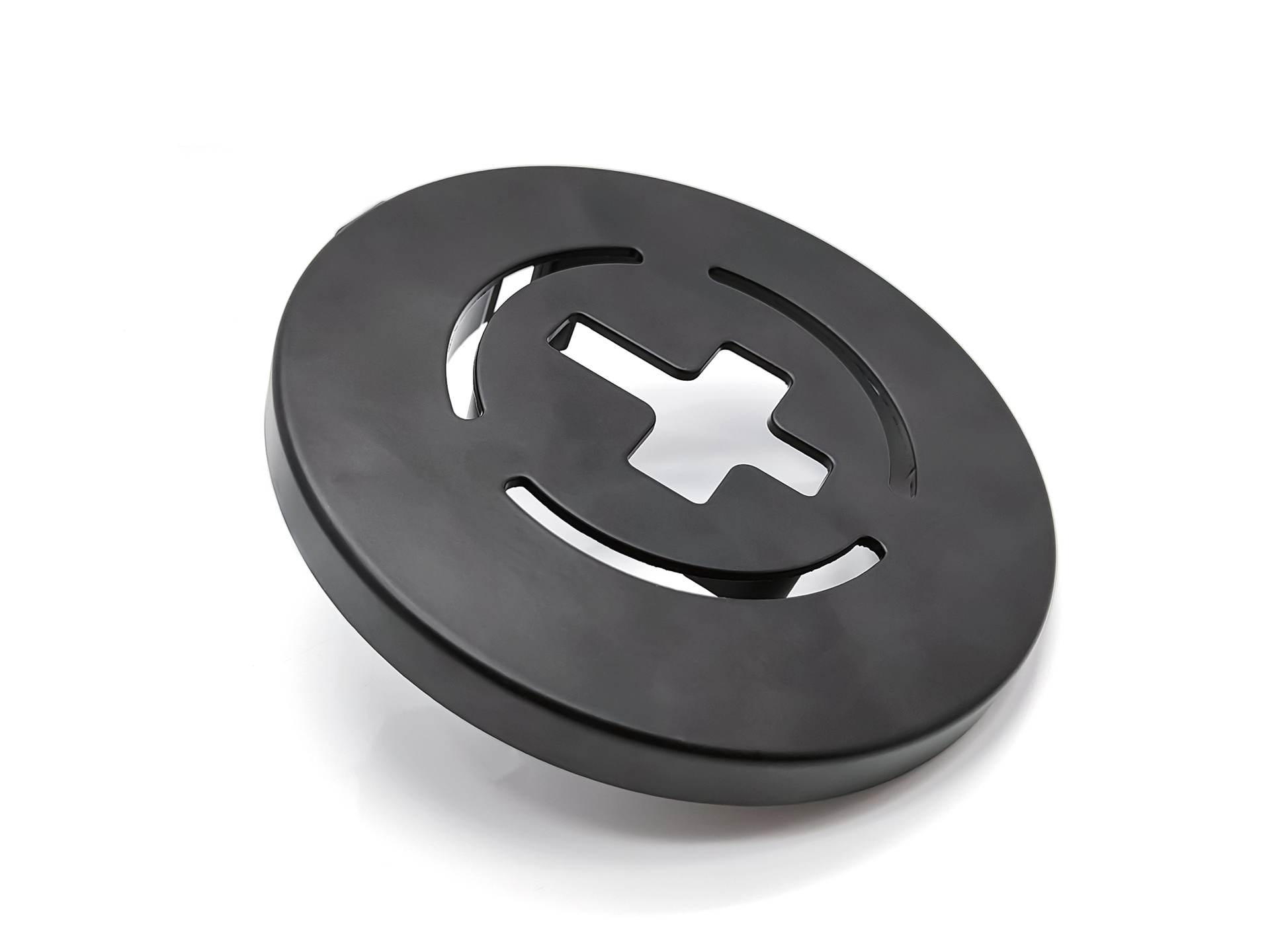
A liquid paint system can combine cleaning, pretreatment, primer, topcoat, markings, and cure to meet corrosion, appearance, chemical, UV, or identification requirements. Specify the complete layer stack, approved materials, color, gloss, dry-film distribution, cure, adhesion, edge coverage, touch-up, masking, and inspection. A topcoat name alone is incomplete.
Powder coating may suit selected housings, cabin hardware, ground equipment, or noncritical exterior hardware when film thickness, cure temperature, outgassing, edge coverage, mass, fire/smoke, electrical, and dimensional constraints permit. Die-casting porosity can release gas during cure and create pinholes. Qualification should use the actual pre-bake, substrate, film, and cure route.
Do not specify a universal salt-spray duration. The governing requirement may define scribe, edge, blister, corrosion, adhesion, creepage, and post-exposure function. Coating damage in service, fastener interfaces, drainage, galvanic area ratio, and maintenance can matter more than an intact flat-panel result.
Control functional and uncoated zones
Bonding pads, grounding points, connector shells, seal lands, bearing seats, adhesive surfaces, threads, precision bores, thermal interfaces, and marking areas may need masking or a different treatment. Define each zone on the drawing with datum-based boundaries and permitted transition. Masking cannot be left to operator interpretation on a safety- or function-relevant interface.
Uncoated aluminum at a galvanic joint may corrode if drainage, sealant, fastener material, coating overlap, and area ratio are not controlled. A coating on a thermal pad can add interface resistance; a coating on a thread changes fit and preload; a paint edge near a seal can peel into the system. Validate the assembled interface.
Choose the finish by decision evidence
Surface function | Finish direction to screen | Evidence before approval |
|---|---|---|
Paint adhesion and aluminum corrosion control | Approved conversion coating plus primer/topcoat system | Production substrate, chemistry, layer records, adhesion and environmental test |
Wear or dielectric aluminum surface | Qualified anodize system where alloy permits | Film continuity, thickness, fit, edge, wear pair and corrosion evidence |
Color or protective film on suitable hardware | Approved paint or powder system | Outgassing, cure, fire/smoke if applicable, thickness, impact and environment |
Electrical bond or grounding | Controlled conductive finish or masked bare zone | Contact resistance, corrosion, joint preload, sealing and maintenance |
Thermal interface | Machined/masked surface or qualified thin functional layer | Flatness, roughness, cleanliness, interface pressure and thermal test |
Include dimensions and inspection
Finish thickness and masking enter the tolerance stack. Define dimensions before or after finish, measurement locations, threads, bores, fits, seal surfaces, and coating transition. Thick or variable films can change assembly even when the casting meets its pre-finish drawing. Fixtures, racks, contacts, and cure can also distort thin parts.
Inspection may include material and lot records, bath or process records, thickness, color and gloss, visual boundaries, adhesion, electrical resistance, corrosion or fluid exposure, cure, masking, and functional assembly. Use methods from the approved specification. A generic certificate of conformance without actual lot and process identification is weak evidence.
Control approved processors, repair, and change
Some programs require named or customer-approved special-process suppliers. Verify site, process scope, specification revision, materials, equipment, tests, and approval status before production. Flow requirements through any stripping, rework, marking, or touch-up supplier. Maintain lot identity when parts leave and return.
Define permitted repair. Stripping can remove or attack substrate, alter dimensions, open porosity, or affect fatigue-sensitive surfaces. Local touch-up may not reproduce the original layer stack or environmental performance. Reinspect affected characteristics and obtain design-authority approval where required.
What buyers should send
Provide exact casting alloy and route, machining state, surface functions by zone, environment, mating materials, governing finish specifications and revisions, approved processor requirements, masking drawings, color and appearance boundaries, thickness, dimensions, tests, records, repair rules, packaging, shelf-life items, and change notification. Coordinate the scope with post-processing before tool release.
The finish supplier should return its full process stack, production-substrate qualification, approved materials, racking and contact plan, masking, cure, inspection, records, sub-tier work, repair, and exceptions. Suitable aerospace finishing is a controlled surface system that supports the actual part function. It is not a menu choice attached after casting.