Which materials are best for die casting consumer electronics or appliances?
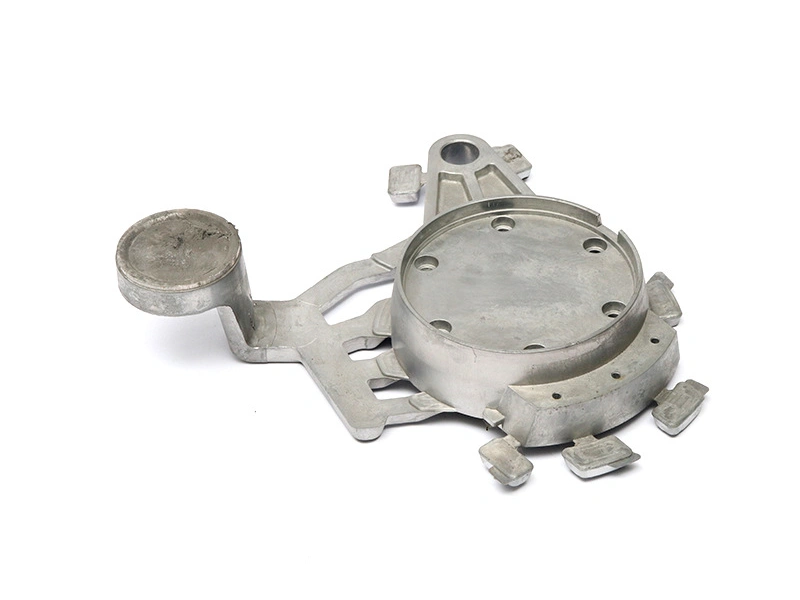
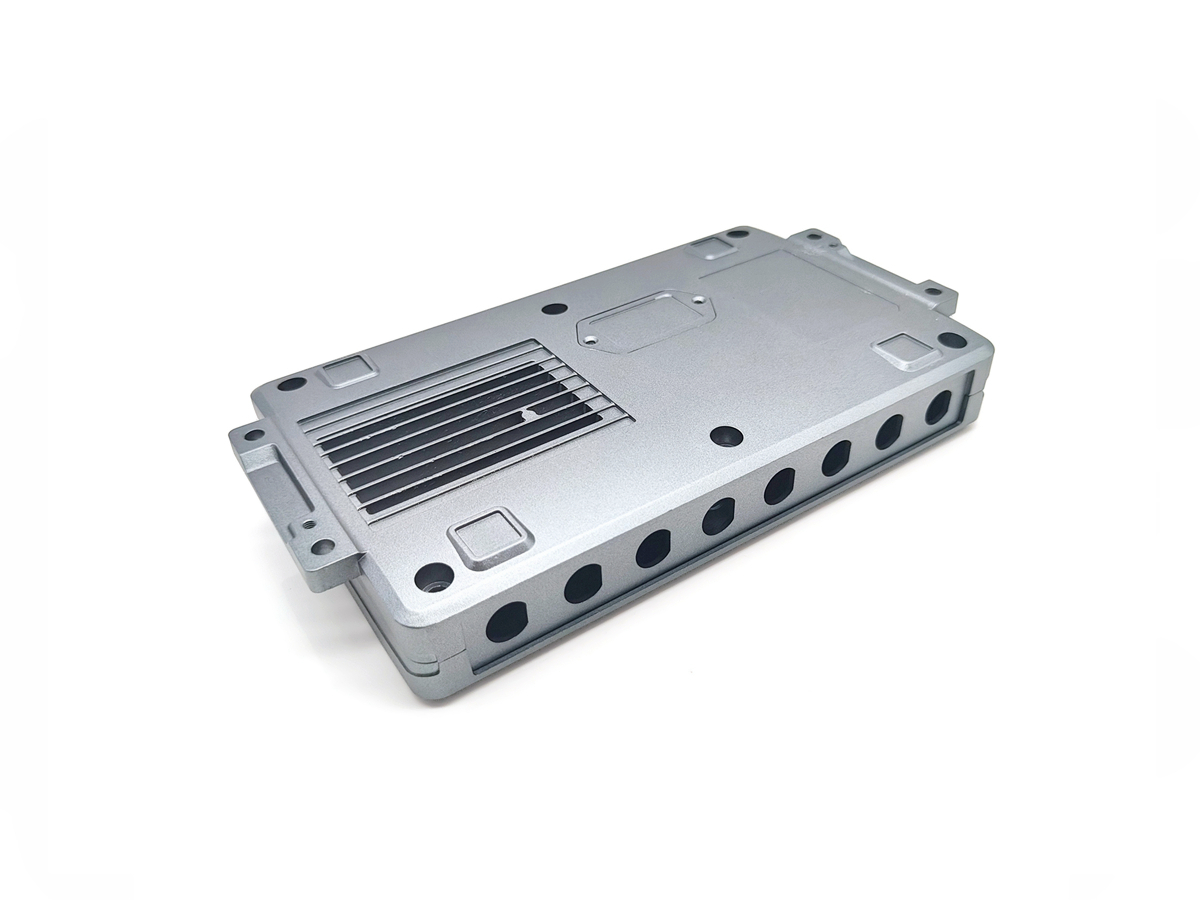
A380 and ADC12/A383-type aluminum alloys are common starting points for electronics and appliance housings, chassis, heat-spreading structures, and motor supports. Zamak 3 and Zamak 5 are often screened for knobs, bezels, hinges, locks, latches, and small decorative mechanisms. No material is best for every consumer product. Select exact alloy, casting route, condition, and finish from mass, heat, EMI and radio needs, loads, corrosion, contact, wear, appearance, cost, and validation.
Define the product function and user exposure
State whether the component belongs to a handheld device, speaker, camera, charger, smart-home product, kitchen appliance, personal-care device, power tool, lighting product, furniture fitting, or control. Identify visible and touch surfaces, moving parts, heat sources, connectors, batteries, antennas, motors, food or water proximity, cleaning chemicals, drops, wear, and expected life.
Material selection follows failure: excessive mass, deflection, cracking, loose fasteners, hot touch temperature, poor heat flow, signal loss, corrosion, coating wear, galvanic attack, particles, sharp edges, or color mismatch. A hidden thermal chassis and a plated tactile knob need different material and finish evidence.
Screen aluminum for enclosures and heat paths
Aluminum die casting can integrate ribs, bosses, fins, shielding walls, connector openings, cable routes, and assembly datums at relatively low density. A380 and ADC12/A383 families are common HPDC references; A360, A413, AlSi12, and other families can be screened where filling, corrosion, pressure, machining, or finish priorities differ.
Bulk conductivity does not predict component temperature. Alloy, section, pores, interfaces, coating, airflow, thermal pads, preload, dust, and enclosure architecture complete the path. High-silicon cast surfaces may not anodize with the color uniformity of wrought aluminum. Verify the production alloy and layer stack against thermal, cosmetic, corrosion, and assembly requirements.
Screen zinc for detail and tactile hardware
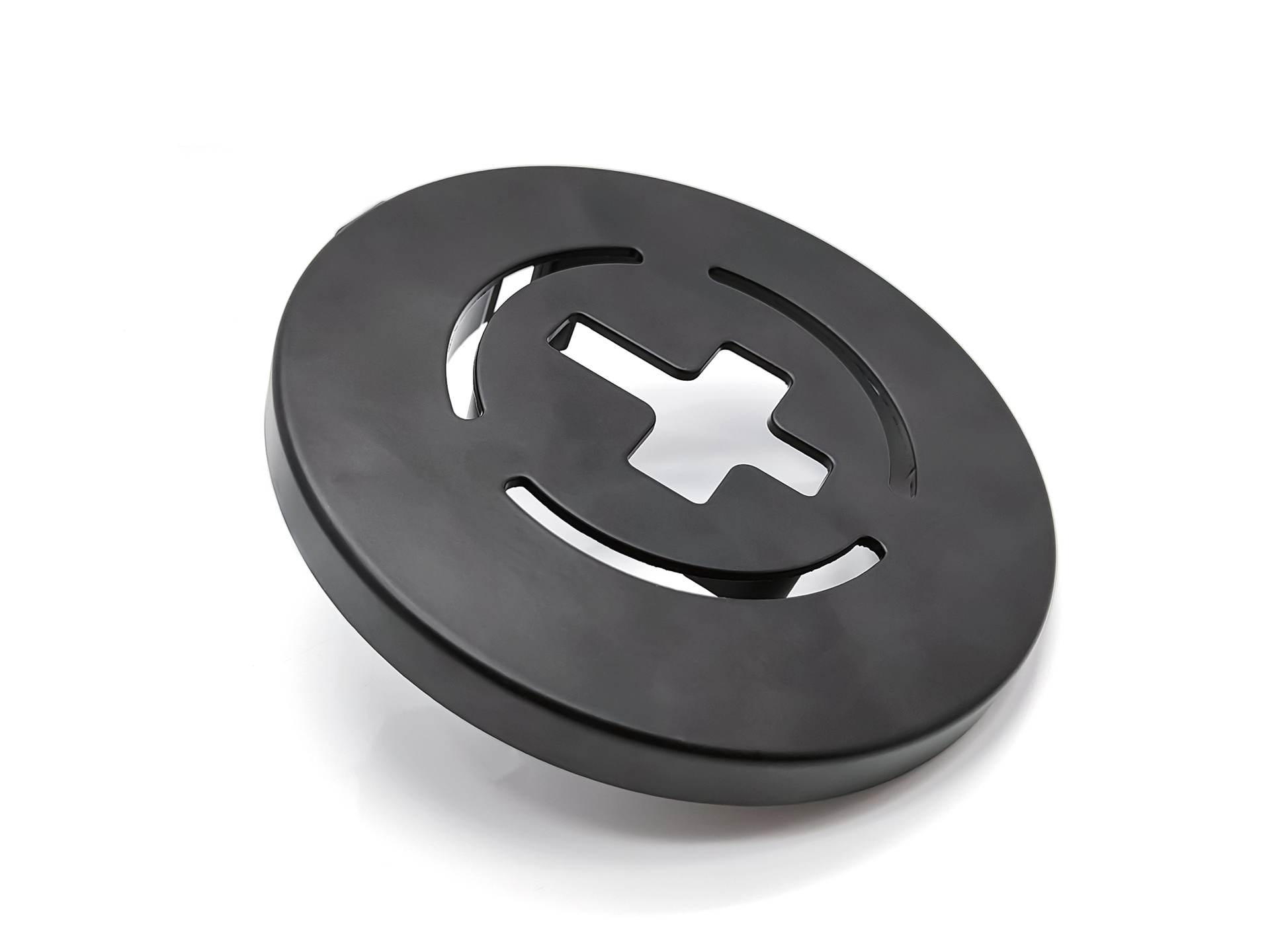
Zinc die casting can reproduce compact detail, thin local features, logos, small bosses, threads or insert structures, and finish-ready surfaces. Zamak 3 is a common general candidate; Zamak 5 can be evaluated where its different strength, hardness, and wear behavior fit hinges, latches, and mechanisms.
Greater density may create a premium feel in a knob or handle and be undesirable in a portable frame. Temperature-dependent behavior, aging, sustained fastener load, wear, sweat, humidity, cleaners, plating, and galvanic joints require review. Do not assume zinc's low casting temperature guarantees a specific tool life or lower total cost.
Use other materials for local functions
Copper and copper alloys can serve electrical contacts, conductors, wear zones, and heat-transfer elements, but stamping, machining, or purchased inserts may be better than pressure die casting. Steel and stainless can support springs, blades, shafts, highly loaded pivots, or selected contact environments. Polymers can provide radio windows, insulation, grip, impact management, color, and low mass.
A hybrid assembly can combine a cast aluminum chassis, steel hinge pin, copper busbar, polymer antenna window, elastomer seal, and glass display. Validate retention, galvanic coupling, differential expansion, antenna performance, heat flow, crevices, adhesive, tolerance, disassembly, and recycling. Material interfaces often decide product reliability.
Compare material directions
Material direction | Consumer-product use to screen | Evidence before approval |
|---|---|---|
General aluminum HPDC | Electronics chassis, appliance frames, motor and thermal housings | Exact grade/route, integrity, heat, EMI, finish, drop and assembly tests |
Specialized aluminum family | Selected fill, pressure, corrosion or thermal needs | Process, condition, machining, coating and product function |
Zamak family | Controls, bezels, hinges, latches and decorative mechanisms | Mass, wear, aging, temperature, plating, touch and environment |
Copper/steel local element | Conductor, spring, blade, shaft or wear surface | Material form, joining, corrosion, heat and safety function |
Metal-polymer hybrid | Radio, insulation, grip, seal and cosmetic functions | Retention, antenna, ingress, chemicals, aging and recycling |
Control appearance, contact, and substances
The final surface includes alloy, casting skin, pores, release residue, machining, blasting or polishing, conversion, plating, paint or powder, ink, adhesive, cleaner, and packaging. Specify visible zones, color, gloss, texture, touch, wear, cleaning, masks, rack points, restricted substances, and allowed repair. Material declarations address only their stated scope.
Food, drinking-water, oral, prolonged skin, toy, electrical, radio, battery, and recycling requirements vary by product and market. An alloy or coating cannot be called universally consumer safe or compliant. The legal manufacturer evaluates the finished product and intended contact using applicable requirements and supplier evidence.
Verify production material and product performance
Specify governing grade and chemistry, approved alternatives, ingot and return-metal policy, melt sampling, condition, traceability, and change notification. Incoming certificates alone may not represent poured chemistry. Regional equivalents require comparison and approval because chemistry differences can affect casting, corrosion, machining, finish, and properties.
Keep prototype material and route visible in every approval. A machined wrought-aluminum shell can validate fit, antenna space, touch, and early heat flow but cannot establish cast porosity, tool-derived texture, production color, or cavity variation. Final evidence should use the intended alloy, tool, machining, finish, assembly, and packaging. Any proposed substitute should be reviewed against those results before release.
Send product context, loads, drops, heat, EMI/radio, ingress, chemicals, contact, appearance, demand, machining, finish, tests, traceability, and changes. Ask the supplier for exact material and route, property basis, DFM, integrity controls, samples, finish trials, sub-tiers, and exceptions. The best material is the one proven in the final product, not the one with the strongest catalog label.