How do material choices affect achievable surface finishes during prototyping?
Material choice affects the starting texture, repair method, coating adhesion, allowable cure temperature, polishing response, color stability and defects that may remain visible after finishing. Select the prototype material together with the intended surface process. A material that is easy to form may be a poor substrate for the approved coating, while a visually suitable substitute may provide little evidence about the production material.
Connect Material Properties to Surface Decisions
| Material condition | Surface opportunity | Main limitation | Verification |
|---|---|---|---|
| Printed photopolymer | Fine form and paint-ready preparation | Support scars, layer evidence, heat/solvent sensitivity | Prepared coupon plus representative edges |
| Printed powder-bed polymer | Consistent matte concept and durable handling model | Granular/porous surface and coating absorption | Sealer/primer trial and color review |
| Cast polyurethane | Molded texture, pigment or liquid coating | Release residue, cure state and resin/coating compatibility | Exact resin and finish-stack sample |
| Machined metal stock | Metallic polish, texture or alloy-compatible treatment | Stock structure differs from production casting | Grade record and finish coupon |
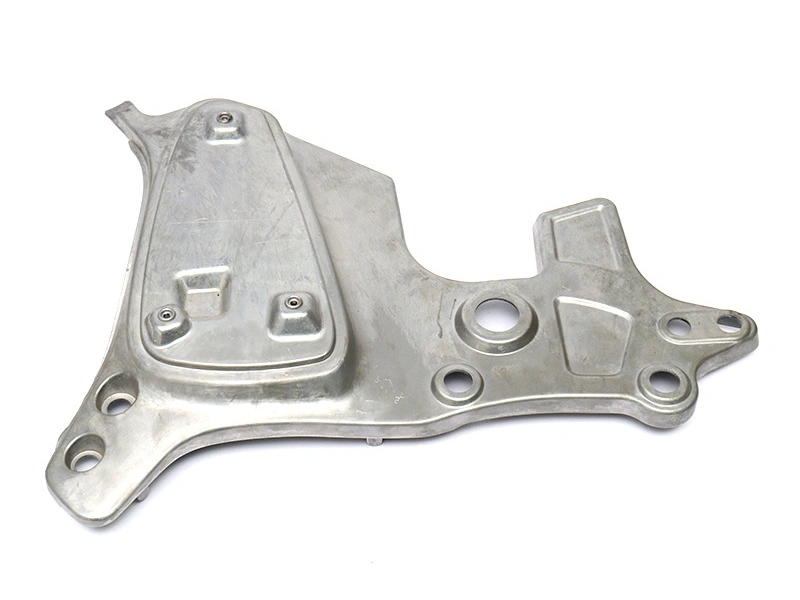
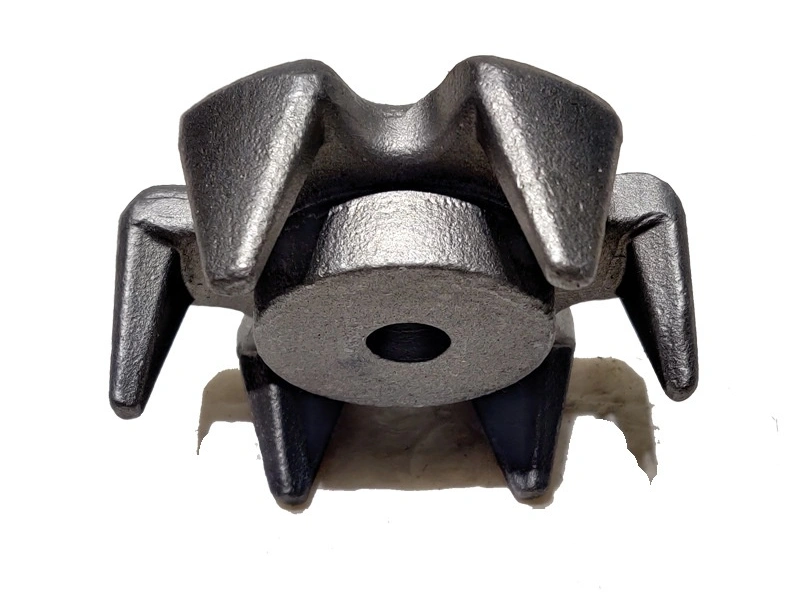
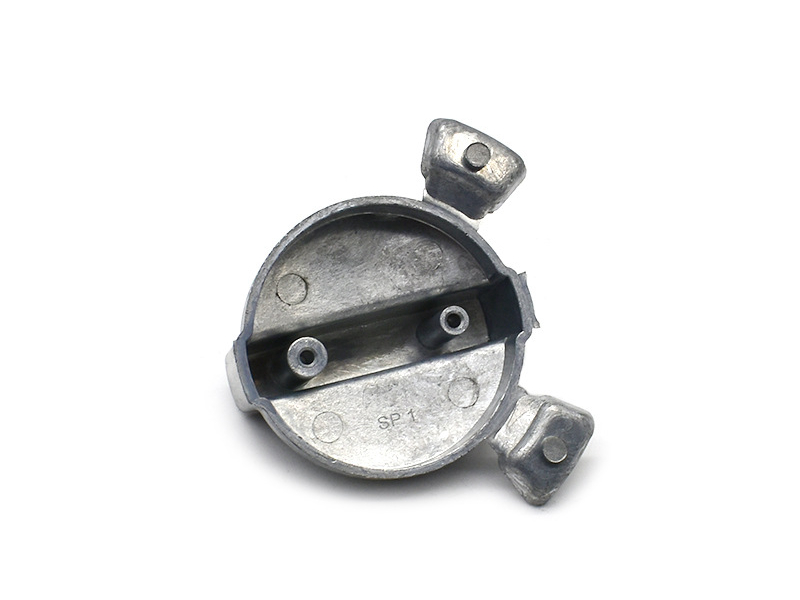
| Prototype metal casting | Cast-substrate preparation and coating learning | Porosity, inclusions and roughness depend on casting route | Representative casting and defect map |
Printed Polymers Begin with Process-Created Texture
Build orientation, layer thickness, support placement and powder or resin process create the initial surface. A fine layer does not by itself establish a flat glossy panel; broad highlights can reveal stepping, cure distortion and hand-finishing waves. Powder-bed parts may absorb sealer or paint unevenly if porosity is not controlled.
Choose a print material that tolerates the planned cleaner, filler, primer and coating cure. Test solvents and heat on a coupon before committing the part. If the model is only an appearance reference, record that its coating performance is not evidence for the production polymer.
Cast Polyurethane Needs Resin-Specific Finish Trials
Polyurethane systems differ in hardness, flexibility, cure route, moisture response and surface chemistry. The mold and release practice also affect the surface presented to paint or adhesive. Cleaning and abrasion that work on one system may damage another or leave a different gloss.
Pigmented resin can create through-color, while liquid paint can align color across assembled components. Neither route is automatically closer to molded production plastic. The urethane surface-treatment review should use the exact resin, cure state, preparation and finish stack intended for the prototype.
Metal Grade and Condition Change Finish Response
Metal appearance depends on alloy chemistry, temper or heat treatment, microstructure, machining, casting skin and surface defects. Two parts labeled aluminum can show different polish, anodized color or coating preparation behavior. A wrought plate sample is not a direct predictor for a high-silicon die casting.
Machined stock can still be valuable for geometry and finish concept. Record the exact grade and stock condition, then state what will be repeated on production castings. Where substrate-dependent color or texture matters, procure production-intent cast samples before final appearance release.
Anodizing Is an Alloy and Process Decision
Anodizing forms an oxide on suitable metals rather than adding an opaque paint layer. Alloying elements, casting porosity, machining and surface preparation can affect uniformity and color. Masking, electrical contact and dimensional change also need planning around fits and visible zones.
Use the alloy and surface-quality review for anodizing before approving a prototype standard. A favorable result on machined wrought material should be labeled by substrate; the selected die-cast grade and production pretreatment need their own samples.
Powder and Liquid Coatings Have Different Substrate Demands
Powder coating usually involves electrostatic application and a thermal cure. The substrate must tolerate the process, and cast porosity or contamination can release gas during heating. Film build may be useful for coverage but can affect threads, grounding points, seams and sharp edges.
Liquid paint can suit polymers and metals through an appropriate cleaner, primer and cure route. Solvent attack, plasticizer migration, trapped moisture and flexible-substrate movement can cause cracking, lifting or print-through. Approve adhesion and appearance on representative geometry rather than assuming a generic resin accepts paint.
Polishing and Blasting Do Not Erase Substrate History
Polishing removes material and changes reflection. Softer regions, inclusions and pores can produce nonuniform results, and excessive work can round edges or lettering. Blasting creates texture by impact; media and pressure interact with substrate hardness and can change dimensions on delicate features.
These operations can unify a surface but should not be specified as ways to hide structural defects. The pre-coating blasting decision should identify the target roughness/appearance, protected areas and representative inspection sample.
Separate Visual Match from Service Performance
A substitute material can carry the right color and gloss for a design review while differing in abrasion, UV, chemicals, corrosion, thermal cycling or long-term adhesion. State whether the prototype finish is visual-only, handling-capable or intended for a bounded environmental test.
When service performance controls release, use the production substrate, pretreatment and coating process with a defined test plan. Do not extend a short handling result to the product life or use a successful visual sample as material qualification.
Material and Finish RFQ
Provide target production material/process, prototype material substitutions, cosmetic zones, color/texture references, functional surfaces, exposure, assembly and tests. Ask the supplier to identify substrate grade/system, condition, preparation, finish chemistry, cure, masking, repair, sample method and production-comparison limitations.
The best prototype material is not simply the one with the smoothest raw surface. It is the one that supports the required finish, survives the planned process and produces evidence that the buyer can interpret without confusing prototype appearance with production qualification.