How Should a Sandblasted Appearance Master Be Used for Repeat Orders?
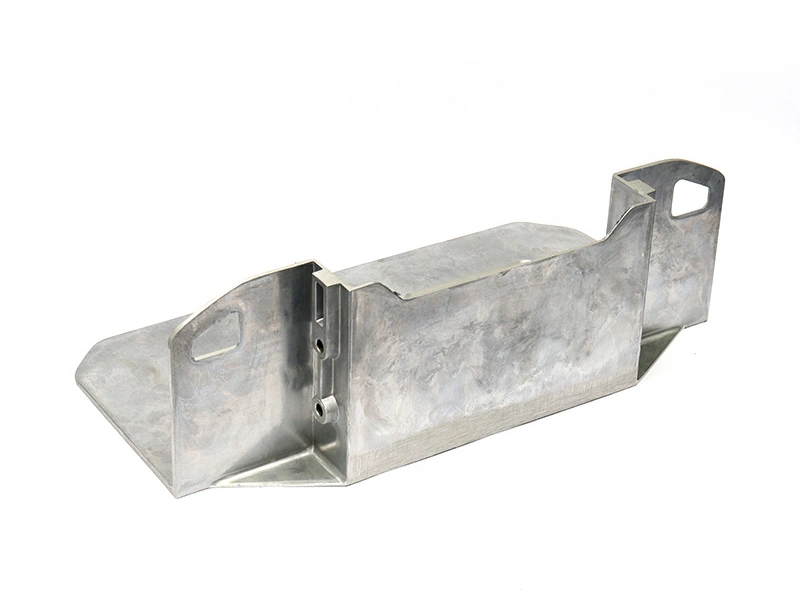
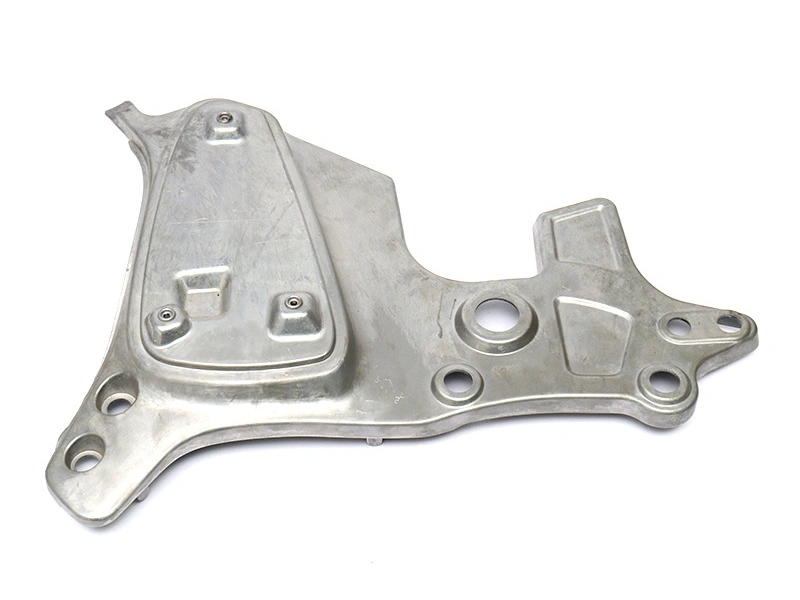
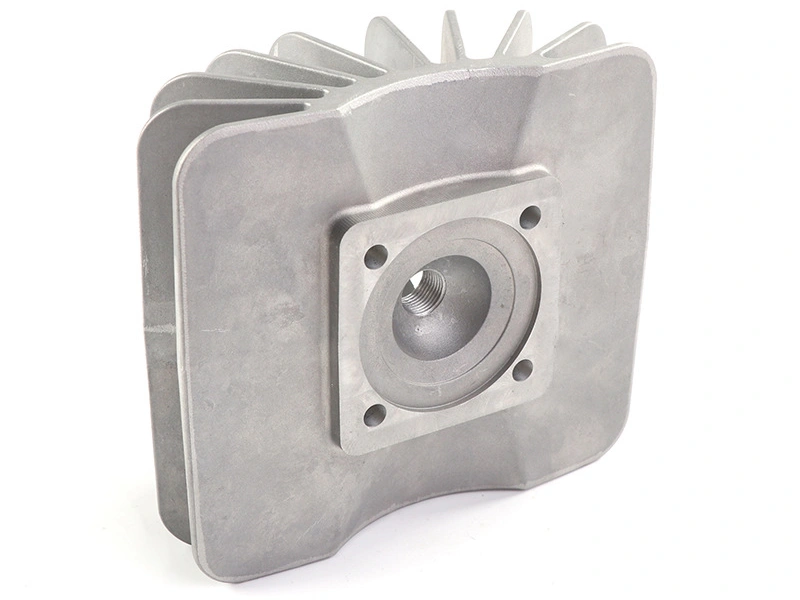
A sandblasted appearance master should be an approved production-intent casting labeled with part revision, alloy, media identity, process date, surface zones and viewing conditions. Inspectors compare repeat orders under controlled light, distance and orientation while also checking any separate roughness and dimensional requirements.
A photograph is useful for training and location mapping but is not a reliable sole master because camera exposure, screen and lighting change brightness and texture. The physical master must be protected from handling, oxidation, coating, oil and further abrasion.
What an Appearance Master Should Record
Master Field | Required Detail | Why It Matters |
|---|---|---|
Part identity | Number, revision and alloy/casting route | Prevents use on changed substrate |
Blast media | Approved media family and controlled grade reference | Links texture to process |
Surface zones | A/B/C faces and transition boundaries | Allows different visibility requirements |
Viewing method | Light, distance, time and orientation | Makes comparison repeatable |
Approval | Date, buyer/supplier authority and status | Prevents informal sample substitution |
Storage | Protected location and condition checks | Reduces master drift |
How Inspectors Should Compare Production Parts
Compare clean, dry parts in the defined orientation. Examine broad flats, fin roots, edges, recesses and mask transitions according to the zone map. Do not reject normal cast variation outside the appearance standard or accept over-blasted edges merely because the central flat matches.
Record defect type and zone. If instrumented roughness is specified, measure at defined locations with the approved cutoff and direction. The sand blasting appearance check and roughness report serve different purposes.
How Master Aging and Replacement Should Be Managed
Bare blasted aluminum can oxidize, stain or collect fingerprints. Store the control master in a dry protected enclosure and use a separate working master on the line. Inspect masters periodically and define replacement triggers. Do not clean an old master aggressively because cleaning can alter the texture being controlled.
When replacing a master, compare the candidate with the protected control and active requirements. Record the reason, process condition and approval. A new master should not silently broaden acceptance because the supplier's media has drifted.
How to Handle Acceptable Natural Casting Variation
Blasting does not erase all substrate variation. Local density, cast skin, trim blends and machined transitions can reflect light differently even under a stable process. The master should include the normal range that remains acceptable without authorizing deep pits, cracks, unauthorized repairs or edge damage.
Use boundary samples when one ideal master would create unrealistic “perfect finish” expectations. Label a preferred target and maximum acceptable examples by zone. Boundary samples must come from engineering-approved castings; they should not be selected by the blast operator after production begins.
If an appearance change follows a new casting source or tool repair, review incoming condition and blast response together. Increasing dwell to force the new substrate toward the old master can round geometry. The correct action may be casting-process correction, a revised qualified blast route or buyer-approved master update.
Cosmetic concessions should identify lot and zone and should not become the new standard through repeated acceptance. Track recurring concessions as a signal that process capability or the specification needs formal review.
Inspectors should be trained with randomized acceptable and unacceptable parts to confirm consistent decisions. Agreement studies can reveal whether lighting, time or wording creates excessive subjective variation. When inspectors disagree, clarify the master and zone rule; do not ask the line to compensate by blasting more aggressively until every part appears identical.
Record the working master's issue date and user location so obsolete samples cannot remain on another inspection bench after replacement.
How Process Changes Should Use the Master
Media supplier or grade, particle condition, nozzle, equipment, fixture, automation path, cleaning and incoming casting source can change appearance. Trial the change on representative parts and compare both texture and protected geometry. If the change improves one zone but rounds edges, it does not match the complete master requirement.
For a hypothetical repeat order, the main flat becomes slightly darker while fin valleys remain unchanged. Review media aging, dwell and incoming cast texture before replacing the master. This is a change-control example, not a reported lot.
The broad post-process plan should identify whether blasting is the final visible finish or preparation for another coating. A master for bare blasted appearance should not release a powder-coated part.
Repeat-Order Check | Decision |
|---|---|
Master condition | Still clean, unchanged and within review date |
Incoming casting | Same approved surface condition and source status |
Media/equipment | No unapproved process change |
Zone appearance | Matches under controlled viewing |
Geometry | Edges, fins and masks remain acceptable |
Records | Lot linked to process and inspection evidence |
An appearance master is a controlled production artifact, not a decorative sample kept on a desk. Used with zone maps and change control, it keeps repeat orders visually stable without replacing dimensional, roughness or cleanliness evidence.
When the physical master reaches its review date, compare it with a protected reference and approved recent production before extending use. Record any gloss, color or texture drift by zone. If aging changes the sample, retire it under revision control; do not silently choose the newest acceptable part as the replacement, because that can move the standard one lot at a time.