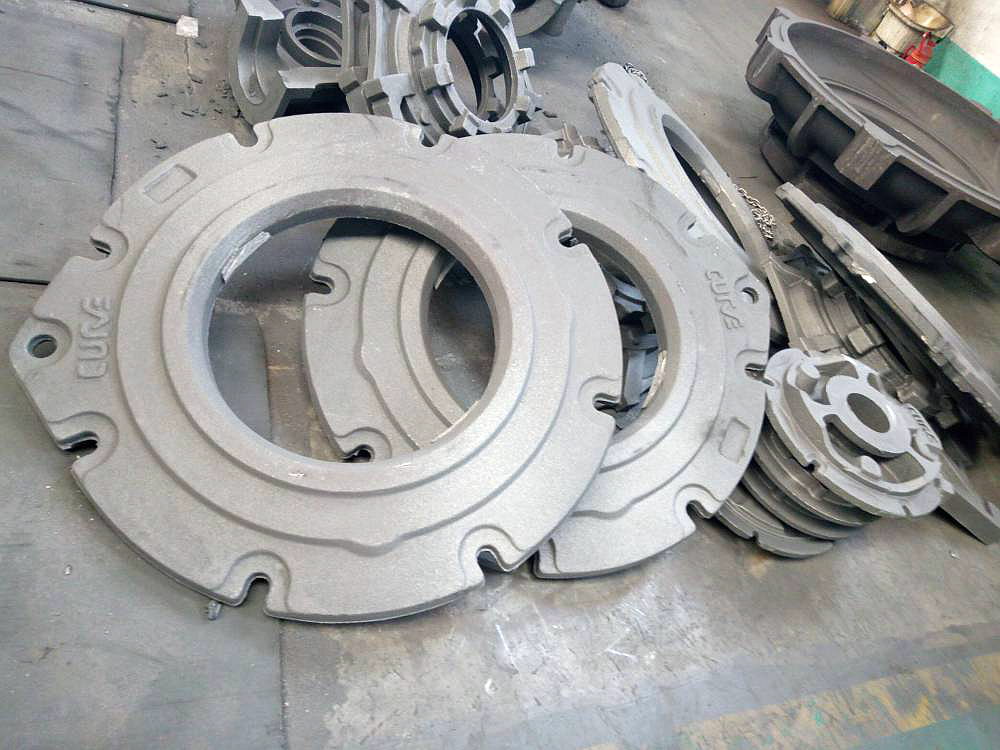
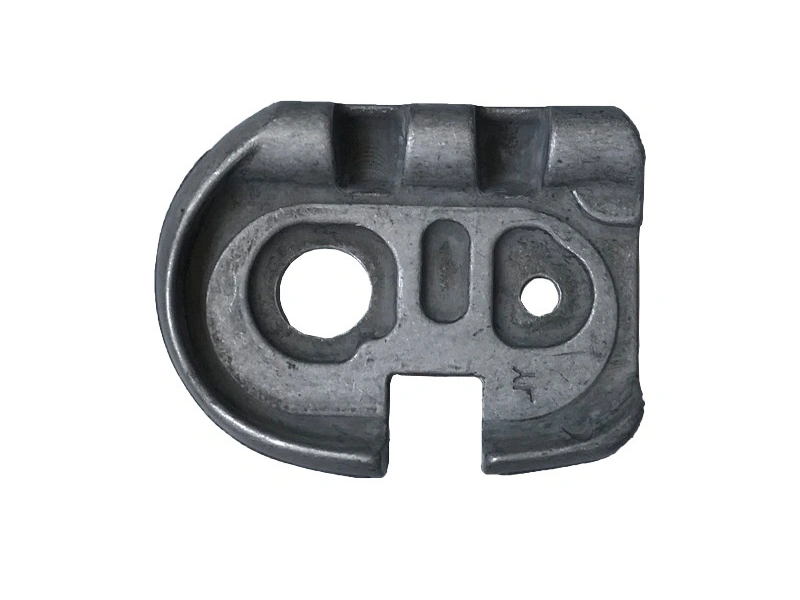
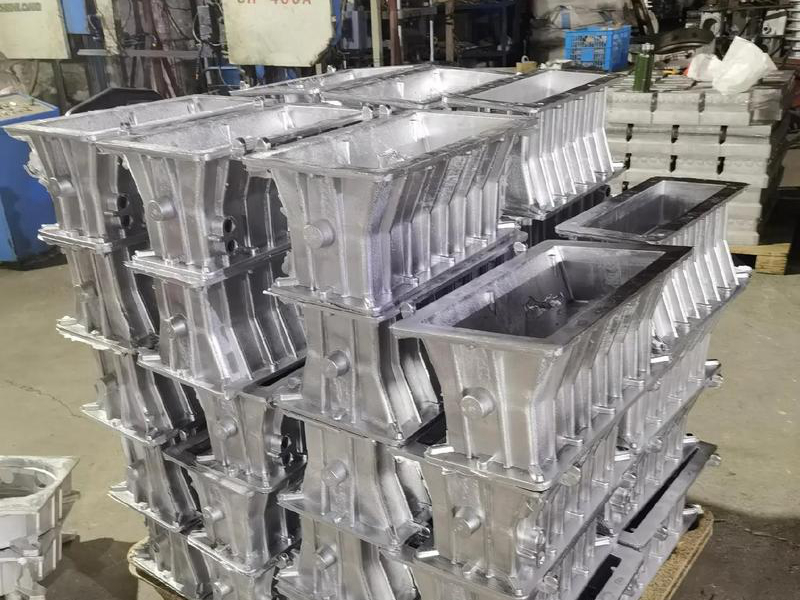
When Should Prototype Sand Casting Move to Low-Volume Production?
When Should Prototype Sand Casting Move to Low-Volume Production?
prototype sand casting should move from sample or trial work into production only after material records, process settings, CNC results, finish approval, inspection standards, packaging and repeat-order controls are confirmed.
For When Should Prototype Sand Casting Move to Low-Volume Production?, buyers are usually preparing an RFQ, comparing suppliers, checking manufacturing risk or deciding whether the project is ready for Sand Casting. The answer should connect the part drawing with process capability, finished-part requirements and production control.
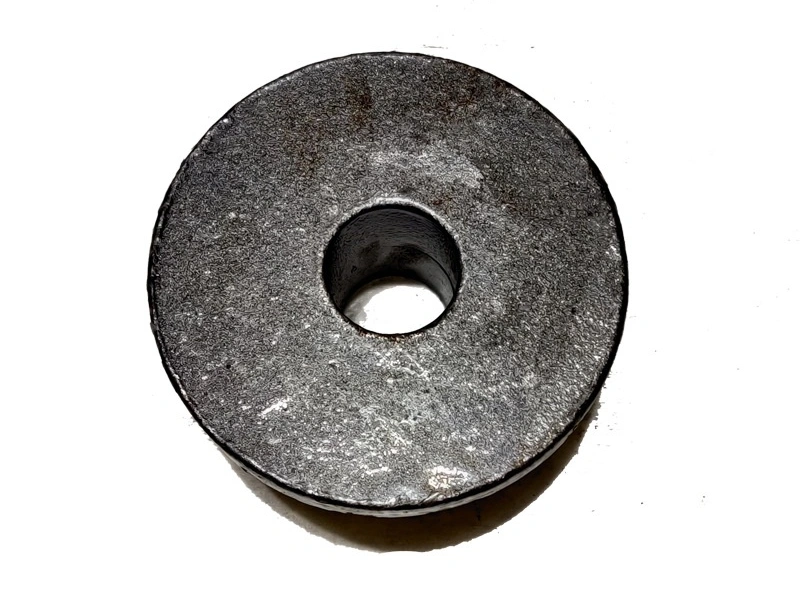
5. Key Manufacturing Points Buyers Should Review
Buyer decision | Manufacturing question | What Neway should review |
|---|---|---|
Process fit for When Should Prototype Sand Casting Move to Low-Volume Production? | Whether prototype sand casting matches geometry, quantity and end-use risk | Drawing, material, tolerance and application |
Production route for prototype sand casting | Whether When Should Prototype Sand Casting Move to Low-Volume Production? should start with prototype, trial run, low volume or production tooling | Quantity, deadline, validation needs and budget |
Finished part scope in When Should Prototype Sand Casting Move to Low-Volume Production? | Whether CNC machining, finishing, inspection and packaging are included | Functional areas and final delivery state |
Repeat supply | Whether the same standard can be kept across future orders for When Should Prototype Sand Casting Move to Low-Volume Production? | Records, fixtures, tooling maintenance and inspection frequency |
5. Practical Buyer Checklist
Before approving When Should Prototype Sand Casting Move to Low-Volume Production?, buyers should confirm the drawing version, material requirement, quantity, critical tolerances, finish standard, inspection method and delivery condition. These details help Neway evaluate prototype sand casting with fewer assumptions.
Buyer should confirm | Why it matters |
|---|---|
Drawing and revision | Keeps quotation, tooling, machining and inspection aligned |
Critical features | Shows which dimensions affect fit, sealing, fastening or appearance |
Sample approval standard | Creates a clear bridge from first article to repeat order |
Packaging and delivery condition | Protects finished parts after inspection |
5. Related Neway Support
Neway can connect prototype sand casting to low-volume production, low-volume casting support and surface finishing for sand cast parts so the buyer receives a finished-part plan rather than disconnected process answers.
5. Commercial Recommendation
If When Should Prototype Sand Casting Move to Low-Volume Production? affects functional dimensions, appearance requirements, surface treatment, inspection reports or repeat-order demand, buyers should send the full RFQ package before locking the route. That gives Neway enough context to reduce risk in prototype sand casting early.