How Should Buyers Specify P20 Tool Steel?
Buyers should specify P20 tool steel by naming the governing material specification or approved supplier grade, the tool location, delivery condition, required documentation, treatment state, surface finish, inspection method, and repair or change requirements. “P20” alone may not define chemistry, cleanliness, hardness condition, heat history, or the way the steel will be used in the tool. A useful specification connects the material record to the die component and to the casting features that component creates.
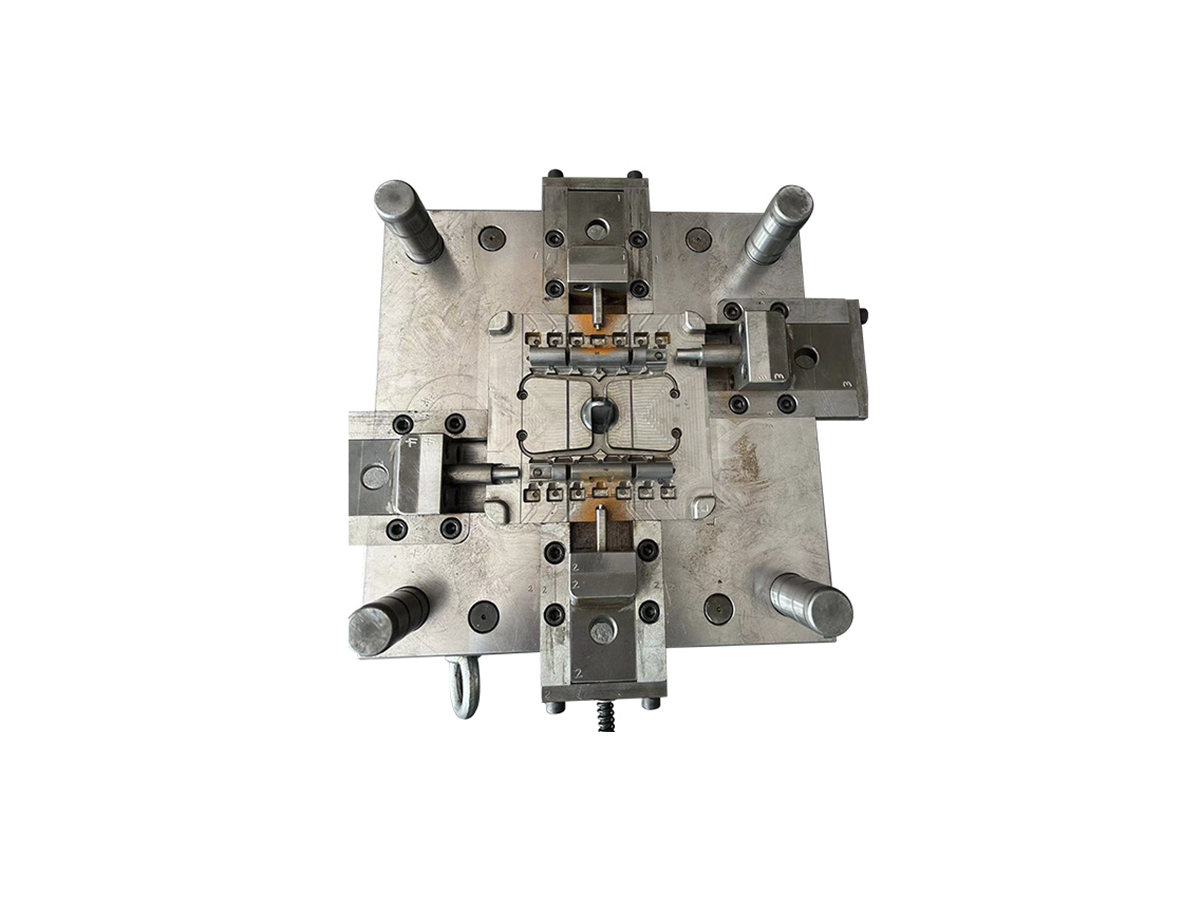
The first question is where the steel will be used. A large mold block, cavity insert, slide, shutoff, gate insert, support plate, and wear strip experience different loads and different maintenance. The RFQ should show the tool drawing or a clear component description and should identify the surfaces exposed to the casting alloy. Without that boundary, a supplier may price a material but still leave the most important selection decision unresolved.
State the Grade and Starting Condition
P20 is often used as a family label across supply chains. The buyer should state the accepted grade reference and ask the supplier to identify the supplied condition. If the steel arrives prehardened or in another machinable condition, define how the toolmaker will machine, measure, and finish it. If later heat treatment is planned, include the dimensional, surface, and inspection steps after treatment. The condition shown on a purchase document should match the condition used to build the tool.
Request a material certificate or equivalent record that identifies the heat, batch, grade, and supplied condition within the agreed scope. Do not use that record as proof of tool performance. A steel record establishes material identity; tool acceptance still needs geometry, assembly, cooling, surface, and trial evidence. If a supplier proposes an alternative grade, require a comparison against the tool location and application instead of accepting a similar trade name.
Specification item | What the buyer should define | Why it matters |
|---|---|---|
Grade identity | Governing specification or approved supplier grade | Prevents an ambiguous P20 family name |
Tool location | Cavity, block, insert, slide, shutoff, or support | Connects material to exposure and failure risk |
Starting condition | Delivery state, machining allowance, and treatment plan | Controls process route and measurement state |
Acceptance evidence | Material, tool, surface, assembly, and trial records | Separates steel identity from tool performance |
Specify Surface and Treatment Boundaries
A P20 component may be polished, textured, nitrided, coated, welded, ground, or otherwise treated after machining. Each operation can change dimensions, friction, surface response, and repair options. The specification should state which surfaces require a finish reference, which surfaces are functional shutoffs or datums, and when the final inspection occurs. A surface sample can support appearance approval, but it does not replace a check of fit, flash, or casting geometry.
Repair language needs the same precision. State whether welding, grinding, insert replacement, or local rework is allowed, who approves it, and what must be rechecked. A repair that removes flash may restore the released condition; a repair that changes a gate, core, shutoff, or cavity can change the casting and may require a new trial. The tool drawing and change record should make that distinction visible.
Define Inspection in the Correct State
Tool dimensions should be inspected with the applicable datum, equipment, temperature, assembly state, and treatment state identified. Casting dimensions should identify the alloy, tool revision, process state, and whether the part is raw, machined, coated, or assembled. This prevents a cold, unassembled tool measurement from being treated as proof of the final casting interface.
The trial should examine the features that justified the P20 selection. Check parting line behavior, flash, surface transfer, cooling response, ejector action, insert fit, and dimensions. If the component forms a pressure wall, bore, thread, or seal, use the finished state and the agreed functional test. Neway's post-machining service can be included when tool acceptance depends on a machined interface rather than a raw casting surface.
Put Change Control in the RFQ
Ask how the supplier will identify a change to the P20 grade, material source, treatment, tool component, repair method, cooling path, or inspection method. The change record should state the affected component, reason, approval authority, first lot under the new condition, and evidence needed to resume production. A tool repair can be routine maintenance, but the buyer still needs a traceable decision when the repaired feature affects the casting.
Also define ownership and record access. The buyer should know who retains the material record, tool revision, repair history, inspection report, and trial result. Neway's tool and die making route can be reviewed with these ownership terms when design, construction, trial, and maintenance are part of one purchase.
P20 Specification Checklist
A complete request should identify the tool part and location, grade reference, delivery condition, treatment and finish, machining state, cooling and assembly interfaces, inspection references, trial scope, repair limits, change approval, ownership, and record retention. The buyer should ask the supplier to flag any item that cannot be confirmed until the casting geometry or production duty is known.
That qualification language keeps P20 from becoming a vague material promise. It lets engineering compare the steel against the tool risk, while purchasing can compare quotations on the same delivered scope.