Is P20 Suitable for Die-Casting Dies?
P20 can be suitable for selected die-casting die locations when its grade, supplied condition, geometry, surface treatment, and repair plan match the cast alloy and thermal duty. It is not automatically suitable for every cavity, shutoff, gate, slide, or wear surface. The buyer should approve P20 through a location-specific tool review and a representative casting trial. The decision should be based on the actual failure risk rather than on the steel name, machine size, or a general tool-life claim.
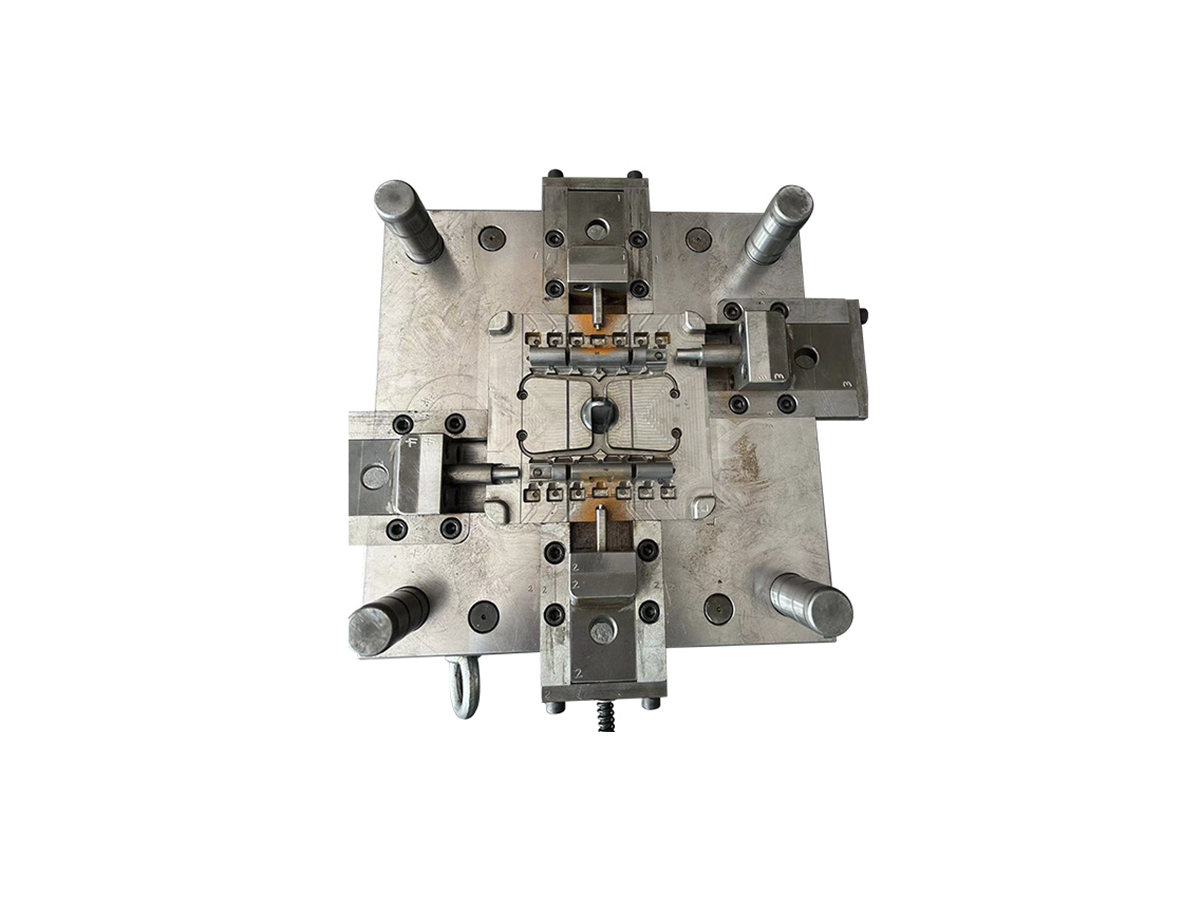
The same tool may need more than one material. A large block or support section may prioritize machining and dimensional stability, while a gate insert or thin edge may see more erosion, thermal fatigue, or impact. A replaceable insert can isolate the highest-risk surface, but it adds an interface that must be aligned, cooled, and inspected. A one-piece cavity can remove that interface but may make future repair more extensive.
Inputs That Determine Suitability
Start with the cast alloy and the areas of the tool that contact the metal. Aluminum, zinc, copper, magnesium, and other alloys can create different concerns for heat transfer, sticking, erosion, cleaning, and surface transfer. Then review wall layout, sharp corners, slides, cores, shutoffs, gates, vents, cooling, ejection, and the expected finish. The tool material should be selected with the complete casting route in view.
Input | Why it changes the P20 decision | How to verify it |
|---|---|---|
Cast alloy | Changes thermal and surface interaction | Released material designation and process review |
Tool location | Changes wear, impact, and repair exposure | Tool drawing with cavity, insert, gate, and shutoff map |
Thermal route | Changes movement, fatigue, and local hot spots | Cooling layout, trial condition, and maintenance evidence |
Finished feature | Changes the acceptance state and inspection method | Machined, coated, assembled, or pressure-tested sample |
Check the Supplied Condition
P20 is often selected where a practical machining condition matters, but “P20” does not by itself state the delivered hardness, treatment history, cleanliness, or measurement state. The RFQ should identify the governing grade reference, starting condition, finish allowance, and any later treatment. If a tool is measured before a treatment and accepted after a treatment, those states should not be confused.
Machining access also affects suitability. Deep pockets, narrow ribs, small radii, cooling holes, slides, and shutoffs can force a split or insert concept. The supplier should identify where the tool can be measured and repaired. Neway's tool and die making service can be reviewed with the P20 condition, machining plan, and complete tool ownership boundary.
Use the Trial to Test the Decision
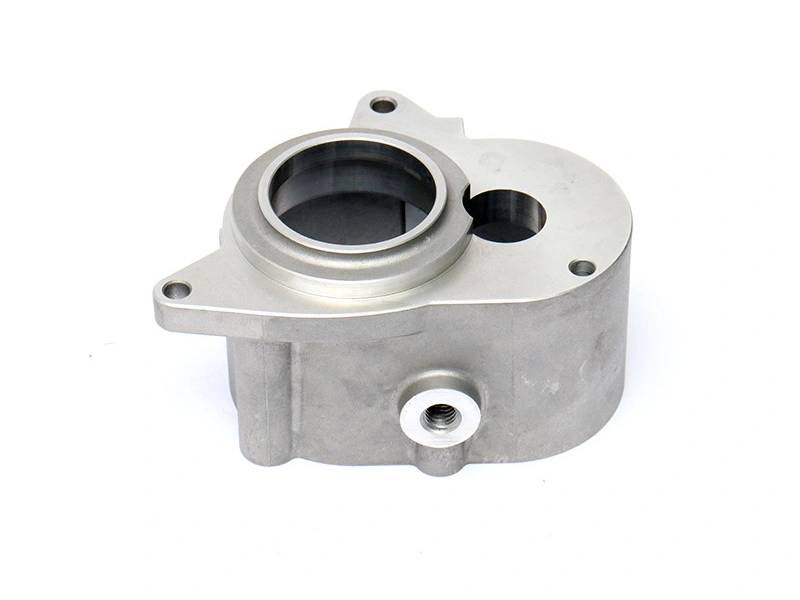
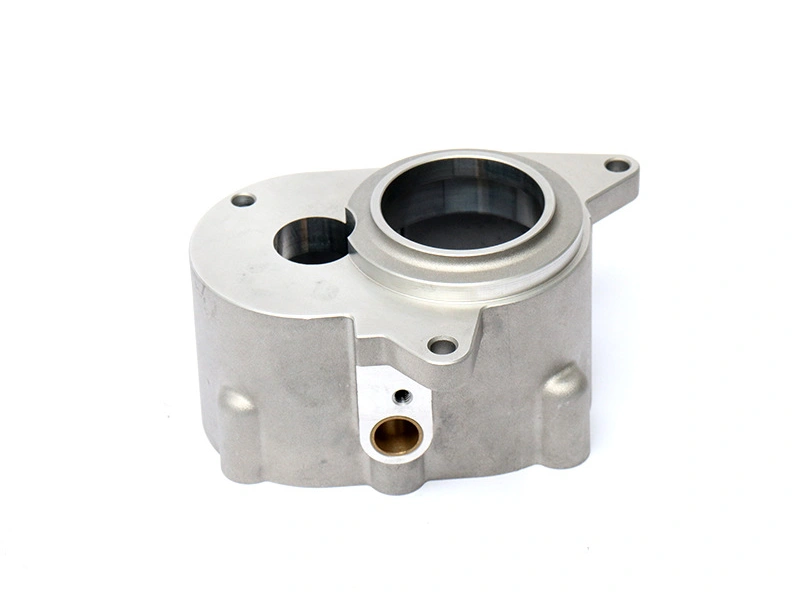
A P20 trial should inspect the tool and the casting. On the tool, check cavity surfaces, parting line, shutoffs, gates, vents, cooling, slides, cores, ejectors, inserts, and assembly datums. On the casting, check filling, flash, surface transfer, distortion, dimensions, trim, and any finished feature created by machining or coating. Record the alloy, tool revision, P20 location, process state, and sample condition.
The trial should answer why P20 was selected. If machining and repair are the reason, record the tool condition and the repair route. If a cavity finish is important, approve the surface on representative geometry. If a pressure or sealing feature matters, inspect the delivered state and use the agreed functional test. A material certificate cannot answer these product questions.
Know When to Compare Alternatives
Reconsider P20 when the tool location sees severe wear, erosion, thermal fatigue, soldering, or repeated impact beyond the selected condition and design. Compare another grade, insert, surface treatment, or cooling adjustment against the specific symptom. A different steel may help a wear surface but make machining or repair harder. A coating may help one area but add an interface or dimensional step. The complete tool system should be evaluated.
Neway's tool materials service can be considered when P20 is compared with other tool materials. Ask for a risk-based comparison that includes material record, machining, treatment, surface, inspection, trial, repair, replacement, and change control. That is more useful than a simple statement that one grade is stronger.
Suitability should also include the commercial handoff. State whether the toolmaker supplies the steel, performs machining and treatment, retains the material record, and owns the repair decision. If the tool moves between suppliers, preserve the component identity and tool revision. A technically suitable steel can still create quality risk when its condition or repair history is lost during a subcontracted operation.
Finally, define the decision point in the purchase schedule. P20 may be approved for the tool block while an insert material remains open until the gate, shutoff, or thermal exposure is confirmed. Record those open items by component, owner, and required evidence. This prevents a provisional material choice from becoming an unreviewed production standard simply because the tool quotation was already accepted.
Buyer Decision
P20 is suitable when the defined tool location and production route make its machinability, toughness, condition, surface behavior, and repairability useful. Approve it only after the tool drawing, alloy, thermal route, treatment, maintenance, and trial evidence are aligned. If those inputs are not yet known, the P20 selection should remain provisional in the RFQ.