What Is P20 Tool Steel Used for in Die-Casting Dies?
P20 tool steel is used for selected die-tool components when the project values practical machinability, toughness, dimensional control in the supplied condition, and a repair route that the toolmaker can manage. It may be considered for a mold block, cavity support, backing plate, insert, or other defined location, but the name P20 does not automatically make it suitable for every die-casting surface. The right use depends on the cast alloy, thermal cycling, metal velocity, geometry, surface finish, production duty, and maintenance plan.
Buyers should treat P20 as a location-specific tool material rather than as a complete tool specification. A large support block may have different requirements from a thin shutoff, gate insert, slide, ejector seat, or cavity face exposed directly to hot metal. The tool drawing should identify where the grade is used, the supplied condition, the finish state, and the evidence required at acceptance. A steel certificate can confirm a material record within its scope; it cannot prove that a die will fill correctly, resist soldering, or maintain a casting feature.
Where P20 Can Be Considered
P20 may be practical in larger tool sections that require substantial machining and controlled repair. Its value can be connected to the toolmaker's ability to machine pockets, cooling connections, mounting surfaces, and cavity support features without introducing an unnecessary treatment step. That advantage is useful only when the supplied condition and the machining plan are known. Deep pockets, narrow ribs, small radii, and long unsupported sections can still create distortion or inspection problems.
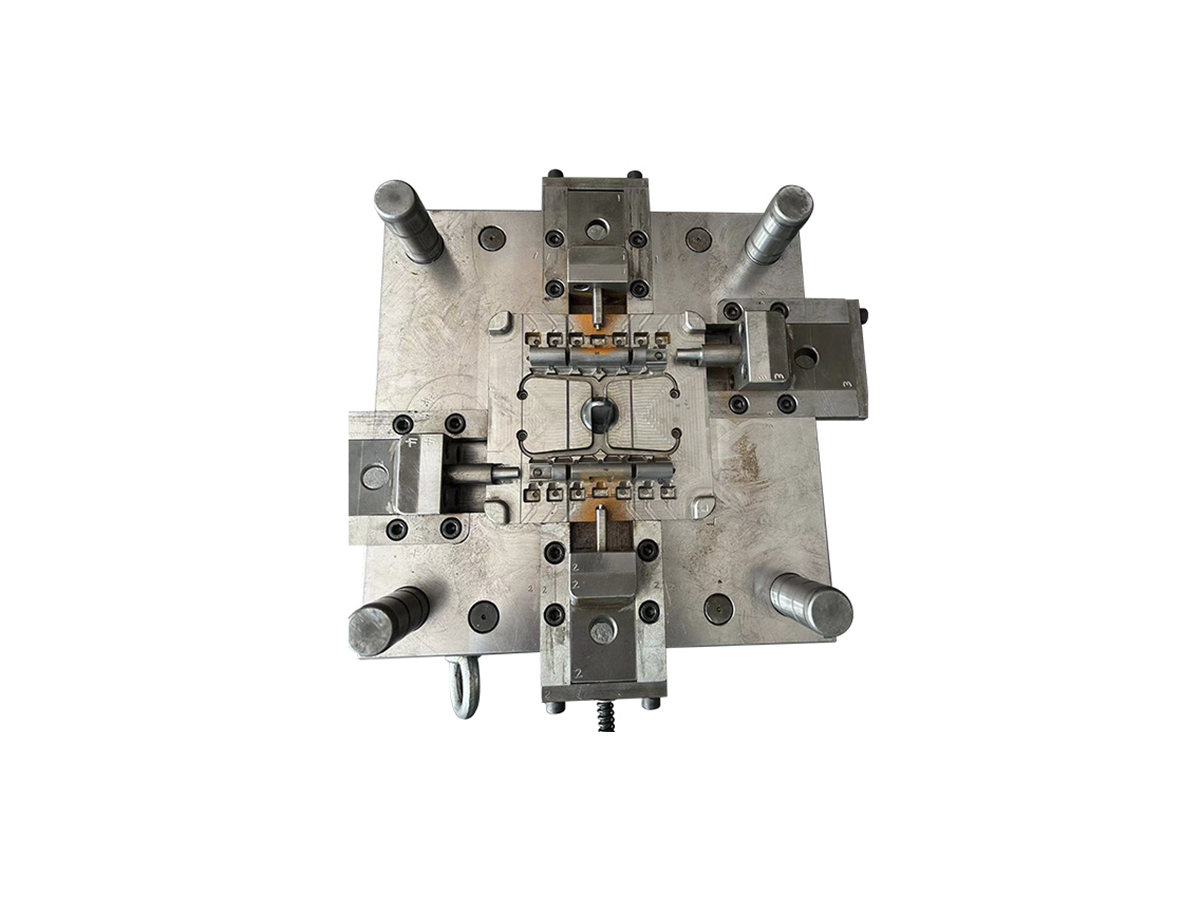
A replaceable P20 insert can also be considered when a defined tool area is likely to need maintenance. An insert localizes a repair and may simplify replacement, but it adds an interface that must be seated, aligned, cooled, and sealed. A one-piece cavity removes that interface but can make a repair larger. The decision should be made from the failure risk in that location, not from a general preference for inserts.
Tool location | Why P20 may be considered | Evidence to review |
|---|---|---|
Large block or support | Machining and practical repair may matter more than extreme surface wear | Material condition, machining plan, and dimensional inspection |
Cavity support or insert | Defined geometry can be replaced or repaired locally | Seat, alignment, cooling, and trial casting |
Shutoff or thin edge | Only if thermal, impact, and wear risks are acceptable | Flash review, wear risk, and post-trial inspection |
Gate or high-exposure face | Requires a direct comparison against erosion and thermal fatigue needs | Alloy exposure, surface condition, and maintenance plan |
Connect the Steel to the Casting Process
The cast alloy, die temperature, filling behavior, cooling layout, lubrication, cleaning, and cycle all influence tool exposure. A P20 block with poor cooling can move or wear differently from the same block under a controlled thermal route. A narrow slide can heat faster than its holder. A rough surface can transfer metal or retain release residue. These are process and design interactions, so the buyer should request a tool-area risk review rather than a generic tool-life statement.
During the trial, inspect parting surfaces, shutoffs, vents, gates, slides, ejectors, cooling connections, flash, surface transfer, and the finished casting features. Record the alloy, tool revision, P20 location, tool condition, and part state. If a bore, datum, or sealing land is created by machining, follow the sample through that operation before accepting the related tool feature. Neway's tool and die making service can be reviewed with the casting route when tool ownership and trial evidence need one project boundary.
When P20 Is Not the Whole Answer
P20 may not be the best choice where severe thermal fatigue, erosion, soldering, edge chipping, or repeated hot-metal exposure dominates. That does not mean another grade is always required; it means the location needs a comparison based on the actual failure mode. A wear-resistant or hot-work material, a replaceable insert, a different surface treatment, or a change in cooling may address the risk more directly. The alternative should be evaluated with machining, treatment, inspection, repair, and replacement consequences included.
Do not use nominal hardness or purchase price as the only comparison. A harder material may complicate a local repair. A more machinable material may be acceptable when the direct metal-contact surface is isolated in an insert. Conversely, an inexpensive block can become costly if its geometry shifts after treatment or if every repair requires extensive disassembly. The evidence should come from the tool drawing, material record, trial result, and maintenance history.
RFQ Information for a P20 Decision
Include the tool location, governing material specification or supplier grade, starting condition, treatment requirement, finish, cooling and vent concept, insert or one-piece construction, trial plan, repair responsibility, and inspection state. State whether P20 is mandatory or is being considered for machining, toughness, or repairability. Also define who owns the tool, who approves changes, and how the first lot after a repair will be identified.
For a finished project, request the tool drawing, material evidence, inspection references, trial records, and repair history that apply to the P20 component. Neway's tool materials service can be considered when the material decision covers several tool locations. The final choice should remain tied to geometry, alloy, thermal exposure, and the result required from the casting.
Buyer Conclusion
P20 tool steel is useful for a defined die-tool location when its machining condition, toughness, repair route, and exposure match the job. It is not a substitute for reviewing die geometry, cooling, alloy interaction, surface treatment, and trial evidence. Approve the steel with the tool feature and the casting result together.