What Is the Difference Between a Die and a Mold in Casting?
A die is a durable production tool, usually made from tool steel or another selected tool material, that forms repeatable castings under a defined process. A mold is the broader word for the form that creates the cavity; it may be a permanent metal tool, a sand mold, or a prototype mold made from another material. The terms overlap in everyday conversation, but they should not be treated as interchangeable in a quotation. The process, expected volume, alloy, geometry, surface condition, and inspection plan determine what the tool must actually do.
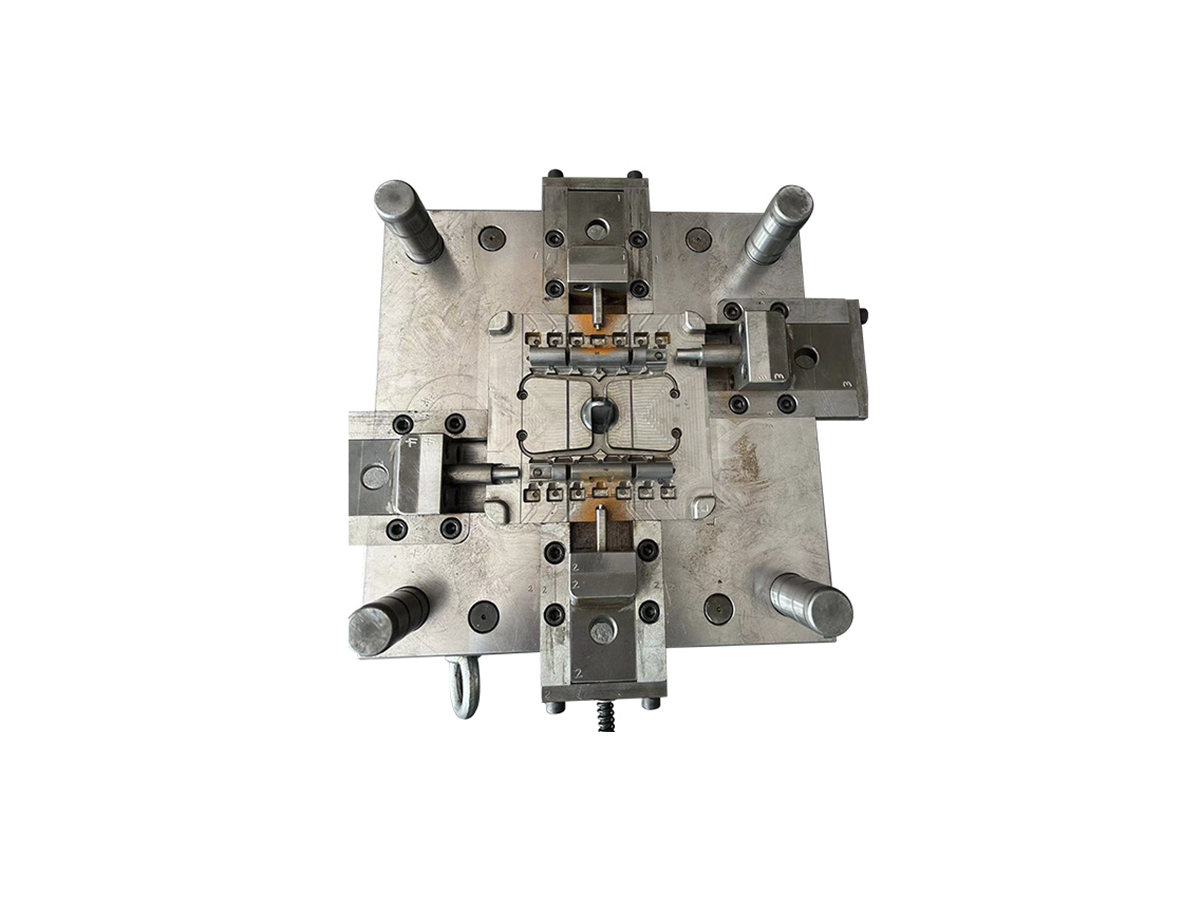
In pressure die casting, the die contains a cavity and core, parting surfaces, gates, runners, vents or overflows, cooling features, ejectors, and sometimes slides or inserts. The tool is repeatedly exposed to thermal cycling and metal flow. In sand casting, a pattern creates the cavity in prepared sand, while cores form internal passages. The pattern and the sand mold are separate from the reusable metal die used for pressure casting. A buyer comparing the two routes should compare the complete finished-part scope, not just the word used for the tooling.
Read the Word With the Process
“Mold” often describes a cavity-forming system in injection molding, urethane casting, or prototype work. “Die” commonly describes a metal tool used to force or pour alloy into a controlled cavity, although industry terminology varies by region and process. The safest specification names the process first: high-pressure die casting, gravity casting with a permanent mold, sand casting with a pattern and cores, or prototype molding. That wording gives the supplier a useful starting point for tool life, release direction, filling, and maintenance discussions.
A prototype mold may prove an exterior shape or an assembly interface while leaving production questions open. It may not reproduce the thermal history, porosity pattern, parting-line witness, gate removal, or ejection behavior of a production die. Likewise, a sand-casting pattern can make a large or low-volume part practical without proving that a pressure die would be economical. The evidence required for each route follows the way the part will be made.
Tool Life and Evidence Are Route-Specific
A permanent die is exposed to repeated heating, cooling, metal contact, release, and maintenance. Tool life and repair strategy therefore belong in the commercial scope. A sand pattern or prototype mold has a different wear mechanism and may be replaced or revised at another point in the program. Ask what the quoted tool is expected to prove, how changes will be controlled, and which costs occur before production volume is reached.
Tool term | Typical role | Buyer should confirm |
|---|---|---|
Pressure casting die | Reusable metal cavity and core system for repeated castings | Alloy, die direction, gates, vents, cooling, ejection, tool maintenance, and trial evidence |
Sand-casting pattern | Creates the cavity in molding sand; cores form internal features | Pattern material, draft, parting, core practice, as-cast condition, and machining stock |
Prototype mold | Supports early fit, form, or appearance learning | Which production risks it represents and which risks require a separate production trial |
Why Construction Changes the Quote
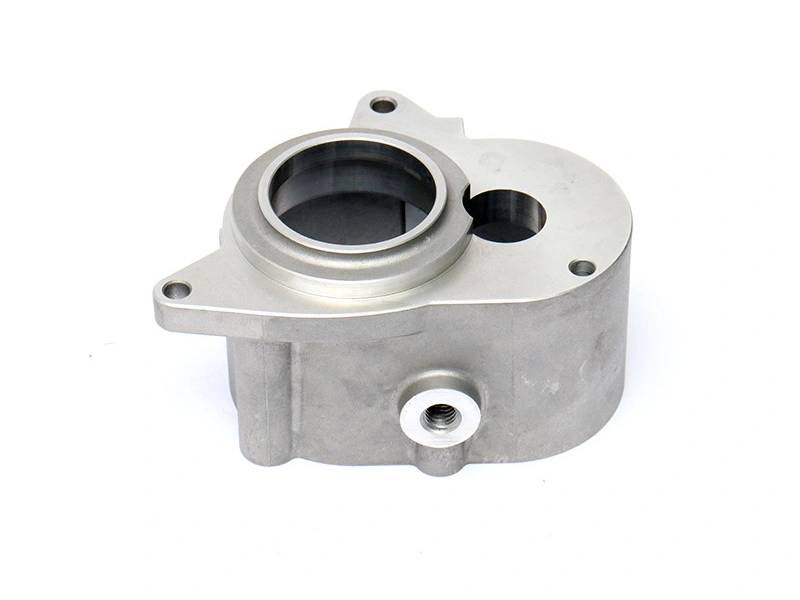
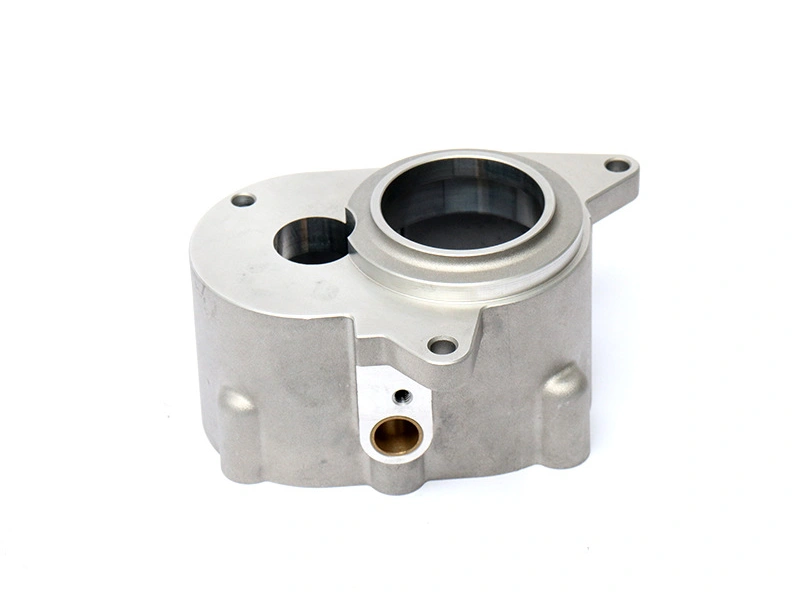
A die quote includes more than the steel block. The cavity and core may need hardened inserts, replaceable wear areas, cooling circuits, venting, slides, lifters, or special ejection. These features influence machining, assembly, tryout, repair access, and future changes. A simple part with a clean pull direction can use a different tool architecture from a housing with an undercut port, deep pocket, thin wall, or sealing face.
Patterns and sand molds have their own cost drivers. A core box, loose piece, draft change, or manual core operation can affect repeatability and labor. The surface and dimensional condition may require more stock and machining than a permanent die route. Neway's tool and die making scope should therefore be read together with the selected casting process and the downstream part condition.
How Buyers Should Specify the Tool
State the alloy or permitted alternatives, casting route, annual and batch quantities, part revision, critical datums, machined interfaces, visible surfaces, finish, and inspection state. Identify whether the first sample is meant to prove geometry, assembly, pressure behavior, appearance, or production repeatability. If a supplier uses “mold” for a permanent metal tool or “die” for another route, the naming difference is harmless when the scope and evidence are explicit.
Do not approve a tool from a rendered image or a steel grade alone. Review the parting line, moving elements, gate and overflow locations, venting, cooling, ejection, machining stock, and maintenance access against the drawing. The tool name answers what creates the cavity; the process and acceptance plan answer whether the delivered part will work.
Short Answer for RFQ Review
A die is one type of mold: a reusable production tool designed around a specific casting process. A mold may also mean a sand, prototype, or permanent cavity-forming system. Use the exact process name and define the finished condition so a tooling quote can be compared on geometry, risk, maintenance, and evidence rather than terminology.
When comparing routes, connect the tool term to the part's actual geometry. A permanent die for repeated pressure casting may include slides, cooling, ejectors, and replaceable inserts; a sand mold may instead depend on a pattern and separate cores. The metal-casting process review should state which tool system is being priced and which downstream operations remain outside the scope.