What materials work best for copper and brass die casting?
For dies that cast copper or brass alloys, qualified hot-work tool steel is often the starting direction for major cavities and inserts, while nickel-base alloys, carbide systems, coatings, or other specialty inserts may be screened at local regions with severe heat, erosion, or chemical interaction. No material is universally best. The exact copper-based alloy and casting route must be named first because brass, aluminum bronze, copper-nickel, and high-conductivity copper do not impose the same tool conditions.
If “materials” means the cast part rather than the die, treat that as a separate selection. A brass or bronze grade used for machining, forging, sand casting, permanent-mold casting, or centrifugal casting is not automatically suitable for high-pressure die casting. Approve the product alloy and the tooling material through two different evidence paths.
Define the copper alloy and route first
Give the toolmaker the exact alloy designation, chemistry limits, delivered product condition, casting process, machine concept, melt and transfer practice, gate concept, section map, cavity count, cycle state, and required casting properties. A generic “copper die casting” request hides the alloy's liquid range, oxidation, die interaction, shrinkage, feeding, hot tearing, and heat-treatment needs.
The tooling decision should use local die-surface temperature and stress history, not the melting point of pure copper. Gate velocity, impingement, contact time, die cooling, release, process interruptions, and geometry determine local exposure. Ask the supplier which region is expected to fail first and what route-specific experience or testing supports that judgment.
Use hot-work steel as a qualified baseline
Hot-work steels are screened because they can combine hot strength, toughness, temper resistance, and thermal-fatigue behavior. A grade such as H13 may provide a reference point, but the severe conditions possible in copper-alloy casting can expose limits that are less visible in aluminum or zinc service. Steel source, cleanliness, section, heat treatment, final condition, radii, cooling, support, and surface state remain part of the specification.
Do not solve heat checking by increasing hardness without a mechanism review. Thermal strain, tool geometry, cooling passages, residual stress, EDM damage, spray, preheat, and restart practice can govern cracking. Likewise, a high-alloy or modified hot-work steel should be selected from data relevant to the tool temperature, section, toughness, and failure, not from a premium label.
Screen specialty inserts only at defined problem zones
A nickel-base alloy such as Inconel 718 may be evaluated where hot strength, oxidation, or chemical interaction justifies it, but it is not a universal copper-casting die material. Thermal conductivity, machining, heat treatment, galling, expansion, joining, cost, and repair can create new constraints. Require evidence for the exact insert geometry and condition.
Tungsten carbide may be considered for a supported wear or erosion insert where compressive loading dominates and thermal shock, bending, and impact are controlled. Carbide grade and binder, mounting, edge radius, contact, thermal gradient, and replaceability matter. Its hardness cannot compensate for a brittle geometry or poor support.
A copper-alloy tooling insert is not automatically logical merely because the casting is copper based. Its temperature capability, structural load, erosion, and chemical interaction may be unsuitable. High-conductivity inserts are useful only when the insert condition and heat path are qualified for the lower-temperature side of the interface and when the casting alloy does not compromise the insert.
Control gates, cores, and shutoffs separately
Gate inserts face concentrated metal velocity, heat, and erosion. Make them replaceable where possible, review impingement and support, and define acceptance by gate dimension, fill response, flash, and casting quality. A coating can be screened for adhesion or erosion only after substrate, preparation, treatment temperature, edge condition, and local load are approved.
Core pins and shutoffs add bending, impact, alignment, ejection, and soldering or pickup. Toughness and support may matter more than maximum wear resistance. Slides, ejectors, and locking components can use different material directions because their service combines tool temperature with mechanical fit and lubrication rather than direct gate impact.
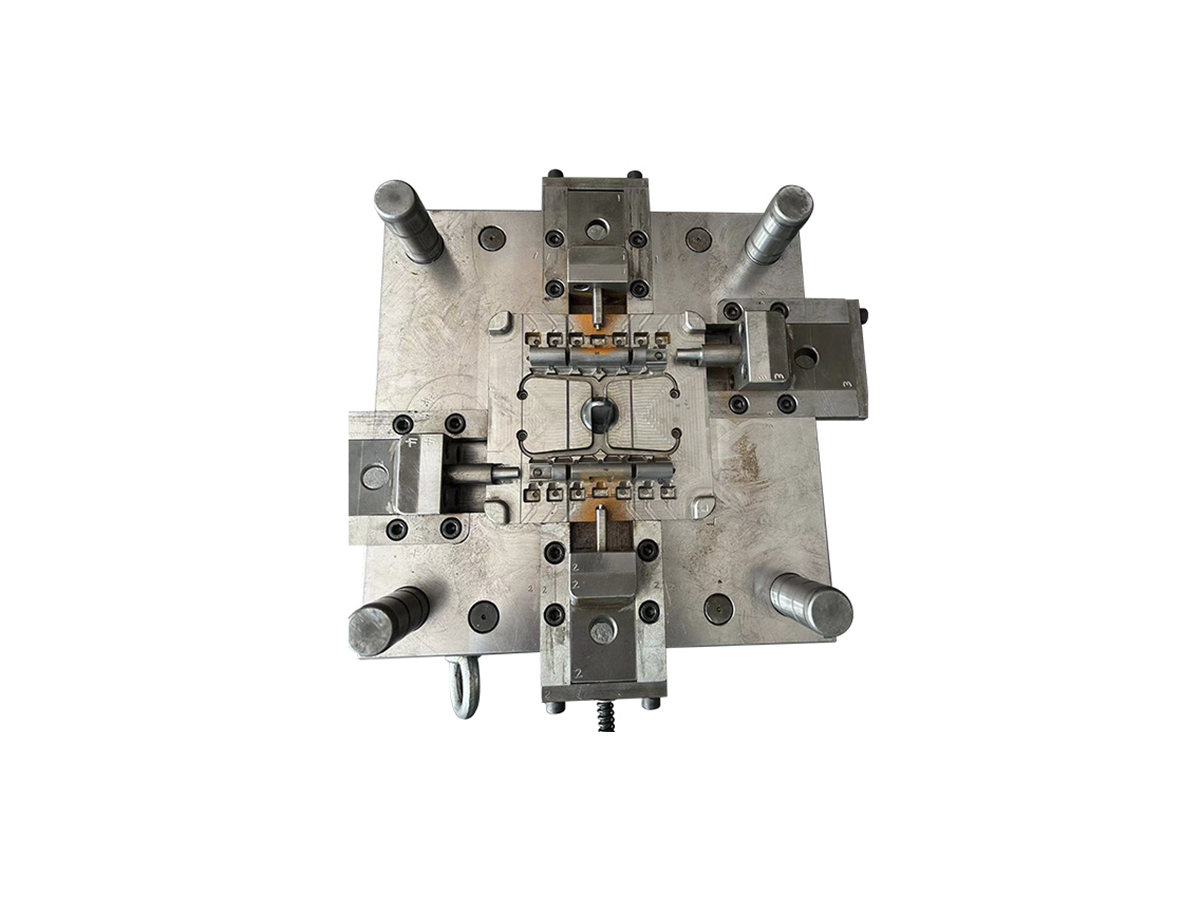
Backing plates and holders should carry the tool load and keep interfaces stable. They may not need the same expensive hot-work or specialty material as the cavity. A region-based bill of materials controls cost and makes first-wear components replaceable without diluting the performance of the exposed surfaces.
Match tool material to the dominant risk
Tool region or risk | Direction to screen | Required evidence |
|---|---|---|
Main thermally cycled cavity | Qualified hot-work tool steel or justified modified grade | Alloy/route exposure, steel quality, heat treatment, thermal and crack review |
Gate washout or impingement | Replaceable hot-work insert, coating, or selected carbide system | Velocity and direction, support, wear trend, replacement and casting response |
Extreme local hot-strength or oxidation problem | Qualified nickel-base or other specialty insert | Temperature/load data, machining, expansion, interface, repair and trial evidence |
Core, slide, or shutoff damage | Tough hot-work or mechanical component with local treatment | Load, alignment, ejection, lubrication, support and crack inspection |
Holder and backing support | Stable structural steel appropriate to load and temperature | Deflection, fit, supply, machining and service access |
Prove control through heat treatment and trials
For every critical steel or insert, specify applicable standard, source and condition, stock orientation where relevant, machining and stress-relief sequence, heat treatment, verification, surface treatment, and repair restrictions. A hardness reading is only one check. It does not establish steel cleanliness, toughness, residual stress, core condition, coating adhesion, or cooling performance.
During trials, identify each cavity and insert, record cooling and process state, then inspect gates, cores, shutoffs, cavity surfaces, and circuits. Connect tool condition to casting fill, surface, dimensions, ejection, internal integrity, leakage, and functional tests. The trial should state what remains unproven when sample quantity or process stability is limited.
Keep cast-alloy approval separate
The product alloy still needs route-specific approval through chemistry, condition, geometry, casting integrity, machining, conductivity, pressure, wear, or corrosion evidence as applicable. A tooling solution cannot make an unsuitable wrought or gravity-casting grade deliver the same properties through pressure casting. Review the proposed route with a copper-alloy casting supplier before tool release.
Do not infer potable-water, food, marine, electrical, or other product approval from a brass or bronze name. Those duties depend on exact composition, process, finished surface, assembly, environment, test method, and market requirements. The die material and product certification are different questions.
What buyers should put in the tool RFQ
Provide the exact cast alloy, approved alternatives, casting route, part geometry, demand, machine and cavity concept, high-risk features, cooling, machining, integrity and surface requirements, product tests, maintenance location, and engineering-change forecast. Ask the supplier to map cavity, gate, core, slide, shutoff, ejector, holder, and trim materials on the proposal.
The answer should include heat treatment, coatings, expected first failure, replaceable inserts, spares, inspection, maintenance, repair, validation after repair, ownership, and exceptions. The materials that work best for copper and brass die casting are the region-specific materials that survive the named alloy and route with auditable evidence. A single H13, Inconel, carbide, or copper-alloy recommendation is not enough.