When Do Slides and Cores Add Cost to a Casting Die?
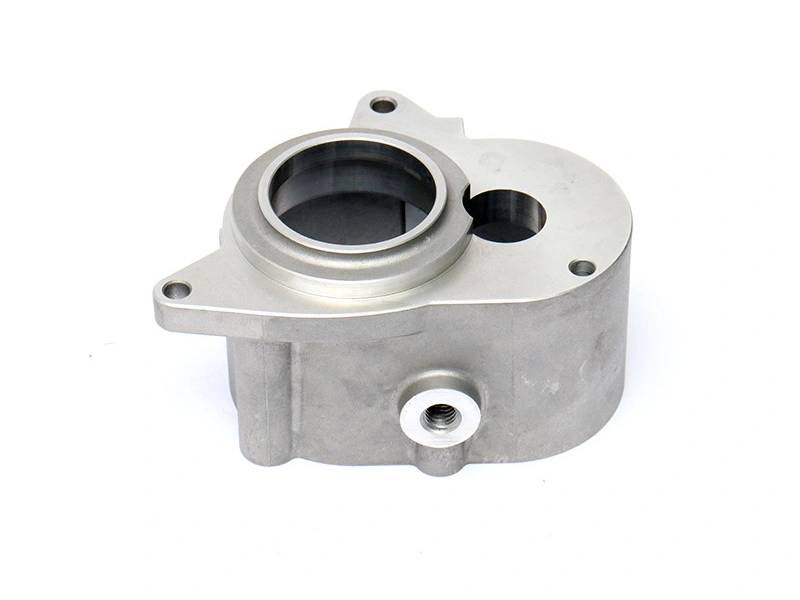
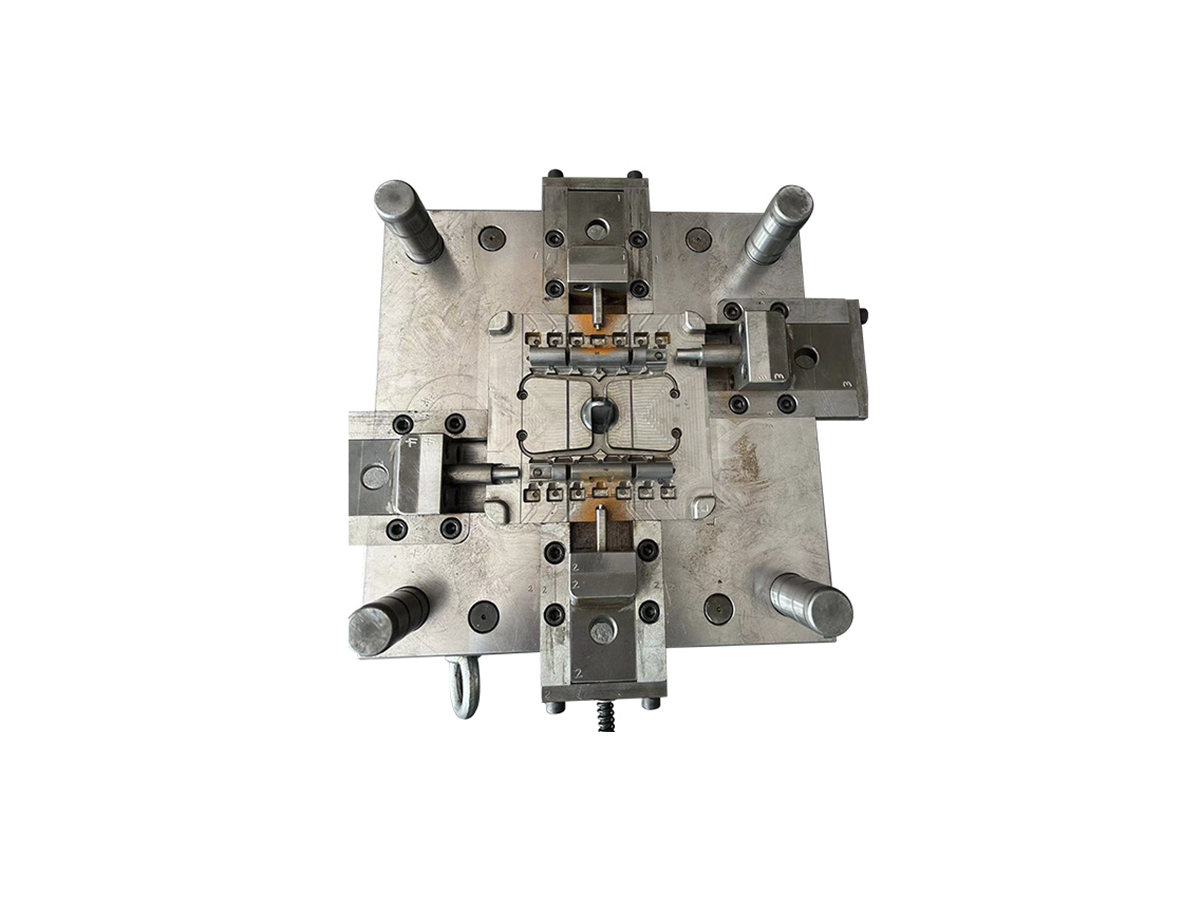
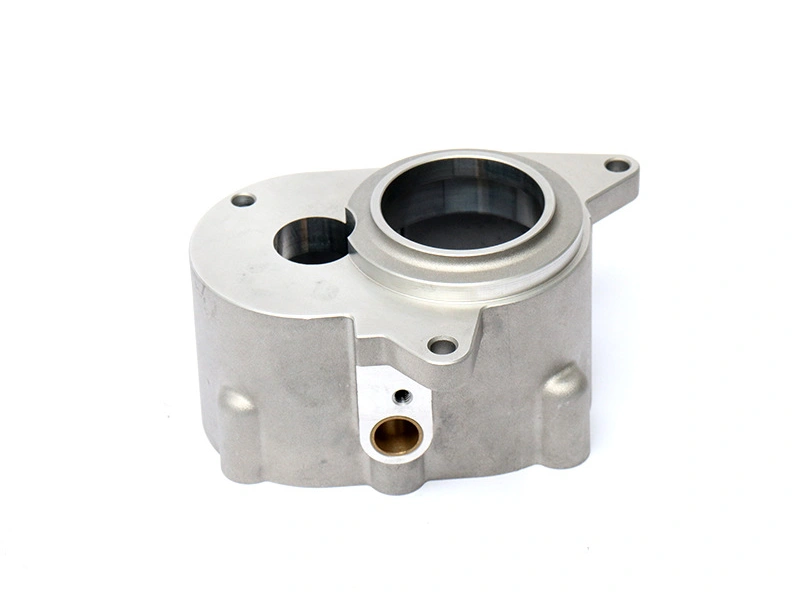
Slides and cores add cost to a casting die when the part contains geometry that cannot be formed and released along the main die-opening direction. They introduce extra tool components, machining, alignment, movement, venting, cooling, ejection, inspection, and maintenance. A side slide may form a cross-hole or undercut, while a fixed or movable core may create an internal bore or pocket. The cost is justified when the feature is required, but it can often be reduced by changing the parting direction, opening a pocket, moving a bore, or assigning a feature to post-machining.
The correct choice depends on the alloy, casting process, feature depth, draft, production quantity, surface requirement, and finished function. A small undercut can be more expensive than a larger open wall if it needs a moving shutoff that wears or is difficult to access. A cored passage can lower machining removal, yet it must remain stable enough to leave usable stock and avoid shifting the functional bore. Review the feature against the complete tool and part sequence rather than judging it from its size alone.
What a Slide Solves
A slide moves across the primary opening direction to form a lateral opening, external undercut, or side detail. It requires a guide, locking or closing surface, wear control, and a sequence that opens before the casting is ejected. The slide must also handle metal pressure and keep its shutoff sealed enough to control flash. If a hole can be drilled after casting without compromising wall integrity, the buyer may compare that simpler route with the slide.
Slides also affect the inspection and finish plan. A witness at a slide shutoff may be acceptable on a hidden surface but problematic on a gasket face or visible contour. Wear can gradually change the feature, so maintenance records and a recheck rule belong in the tool scope. The supplier should show how the slide is accessed, supported, lubricated or cleaned as applicable, and replaced if the area becomes a repeat repair point.
What a Core Solves
A core forms internal geometry that would otherwise require substantial material removal or cannot be reached by a cutting tool. It may create a bore, cavity, passage, or hollow section. Core location is important because it controls the stock left for drilling, boring, or finishing. A core that shifts can leave an uneven wall or cause a later cut to open a discontinuity. For a pressure, bearing, or sealing feature, the raw core is only the starting condition; the finished geometry must still be proven after machining.
Some core arrangements are fixed and some are moved or withdrawn before ejection. A removable core can support a geometry while adding handling, insertion, cleaning, and location steps. A core insert can isolate a wear area and simplify repair, but its joint may create a witness or flash path. State which elements are included in the quoted tool and which are operator or downstream machining tasks.
Movement Also Affects the Production Cycle
A slide or moving core adds more than purchase price. It changes the open-and-close sequence, requires confirmation of its home position, and may need cleaning or inspection between runs. The sequence can affect how quickly the part is released and whether an operator or automatic system can access the casting safely. For a high-volume component, those repeated actions may matter as much as the initial machining cost. For a lower-volume component, a manual core or a post-machined feature may be more economical if the function and risk permit.
Compare the Cost Drivers
Feature condition | Likely tool implication | Alternative to review |
|---|---|---|
Open wall with draft | Fixed cavity and core surfaces | Keep the feature cast if its surface and position are adequate |
Side opening or undercut | Slide, lifter, or redesigned parting direction | Drill or mill after casting if stock and access permit |
Deep internal passage | Core, core support, and possible special ejection | Use a simpler passage or machine from an accessible face |
Wear-prone detail | Replaceable insert and maintenance boundary | Change the detail, material, finish, or repair strategy |
Make the Decision With the Finished Part
Ask which feature needs to exist in the casting and which feature only needs to exist in the finished component. Identify machining stock, tool access, datum support, surface finish, and inspection state. The tool-material review should include the wear and repair locations created by slides or cores, while the post-machining scope should show whether a feature can be made reliably after casting.
During a trial, inspect movement, shutoff, flash, core position, release, and the finished feature after the planned machining. A slide or core is a worthwhile investment when it removes a larger manufacturing risk. It is avoidable cost when the same function can be created with a stable open feature and a controlled downstream operation.