How closely can urethane or metal prototypes simulate injection-molded or die-cast surfaces?
Urethane and metal prototypes can closely simulate selected production-surface attributes such as color, gloss, texture scale, tactile feel, highlight flow and assembled appearance. Similarity is strongest when the prototype uses an approved physical standard and the same viewing method. It is weaker for process-created evidence: injection flow, weld lines, fiber read-through, die-cast skin, porosity, ejection witnesses and production coating variation must be checked on production-tool samples.
Compare One Attribute at a Time
| Attribute | Urethane prototype | Metal prototype | Production confirmation |
|---|---|---|---|
| Color/gloss | Pigment or liquid coating can set appearance intent | Coating or substrate treatment can set intent | Actual resin/alloy and production finish line |
| Texture/touch | Master-derived texture and selected hardness | Blasted, machined, cast or coated texture | Tool texture, process direction and approved limits |
| Parting/gate evidence | Silicone split, gates, vents and trim | Prototype-route gates, machining or assembly seams | Production tool split, gates, overflows and ejection |
| Substrate defects | Bubbles, cure or mold-transfer conditions | Stock or prototype-casting defects | Injection or die-cast process capability |
| Wear/service behavior | Only under stated resin/finish conditions | Only for recorded alloy/finish condition | Production material and qualification plan |
Urethane Reproduces the Approved Master with Added Variables
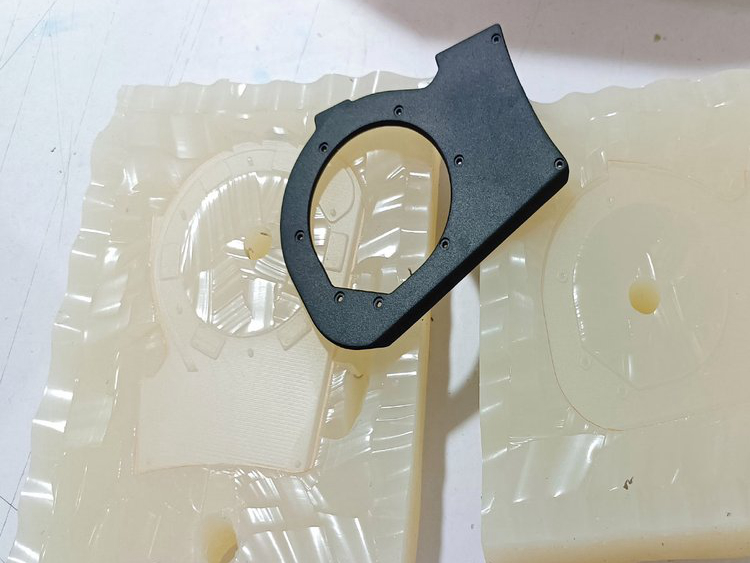
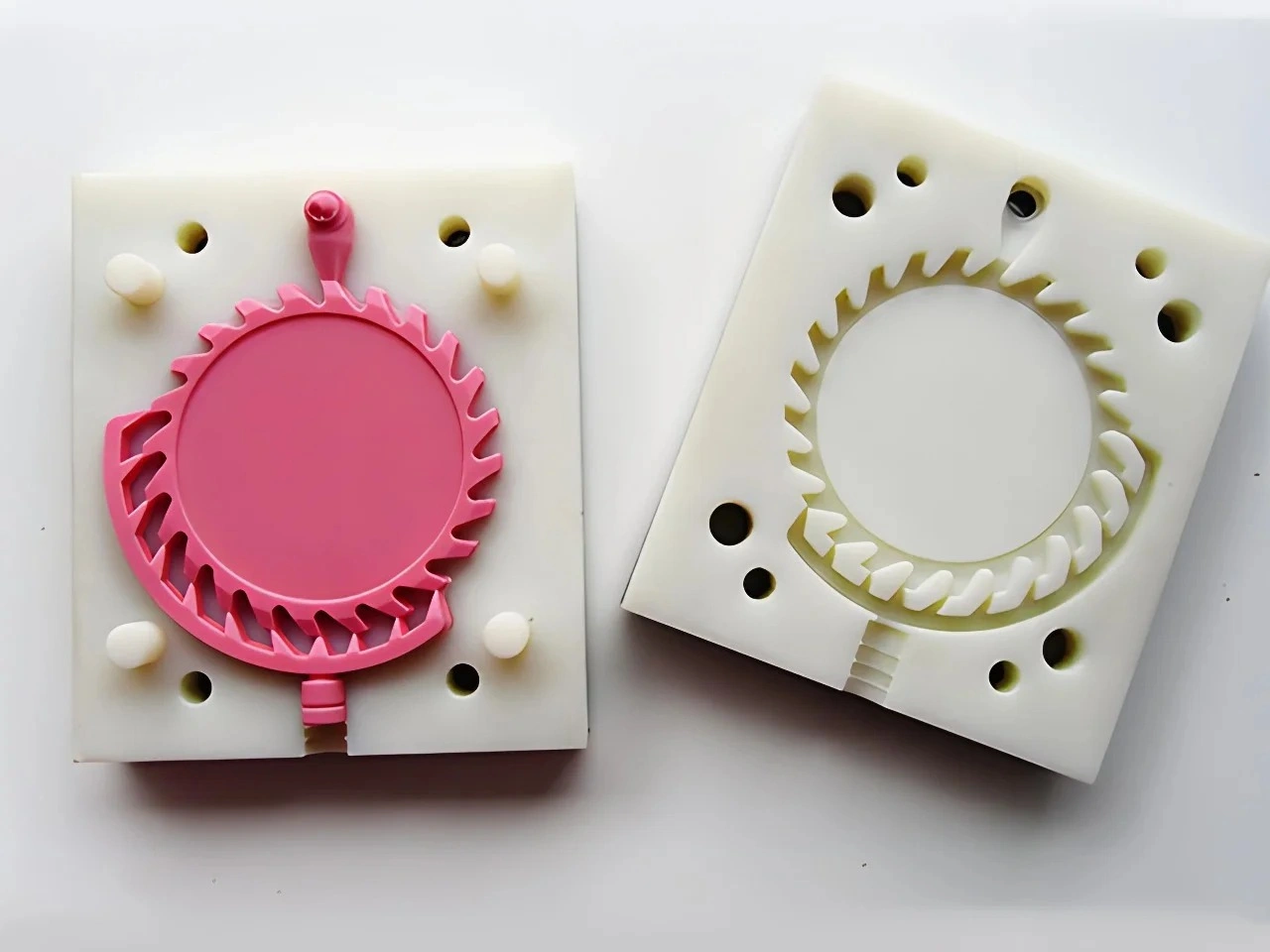
A silicone mold can capture fine features from a prepared master, which makes urethane casting useful for repeated matte, grain, polished or painted appearance samples. Transfer is not exact in every circumstance. Master defects, silicone condition, resin flow, air, shrinkage, parting cuts, gates, vents, trimming and mold wear all affect the cast surface.
Approve the master and a finished first casting separately. The production-plastic mimic boundary should be included with the sample so color or texture approval is not mistaken for production-polymer qualification.
Urethane Material Substitution Limits Tactile Evidence
Selected polyurethane systems can approximate hardness, flexibility, stiffness or clear appearance for a bounded review. The response can change with cure, part age, wall thickness and temperature. A similar hand feel does not establish production thermoplastic creep, fatigue, chemical resistance or aging.
For user studies, record resin, conditioning, finish and test condition. If the production part uses a textured mold surface, compare tactile direction and scale as well as nominal hardness. Production resin and tool samples remain necessary when grip, wear or long-term feel controls release.
Machined Metal Can Match a Substrate Family without Matching Casting
A CNC prototype in a specified metal can communicate weight, thermal feel, reflectivity and compatible finishing better than a painted polymer model. The stock may still differ from die-cast material in chemistry, temper, grain structure, porosity and surface skin. Even an alloy designation that appears similar does not recreate the high-pressure casting process.
Machining also leaves tool paths and accessible geometry that differ from as-cast faces. Blasting or coating can create a useful visual reference, but the result should be labeled by stock grade, preparation and finish. It cannot establish how production castings will show flow, cold-shut evidence, porosity or cavity texture.
Prototype Metal Casting Adds Relevant and Irrelevant Artifacts
A prototype casting provides a cast substrate and can support machining, paint or coating development. Sand, investment and other routes have different molds, filling, solidification and surface conditions from high-pressure die casting. Their roughness or defects may be more severe, less severe or simply different.
Use prototype-cast surfaces for decisions they can support: metallic appearance after a named preparation, assembly, finish coverage or handling. Do not use a polished or filled prototype casting to approve the future as-die-cast surface.
Coatings Can Align Appearance while Hiding Substrate Differences
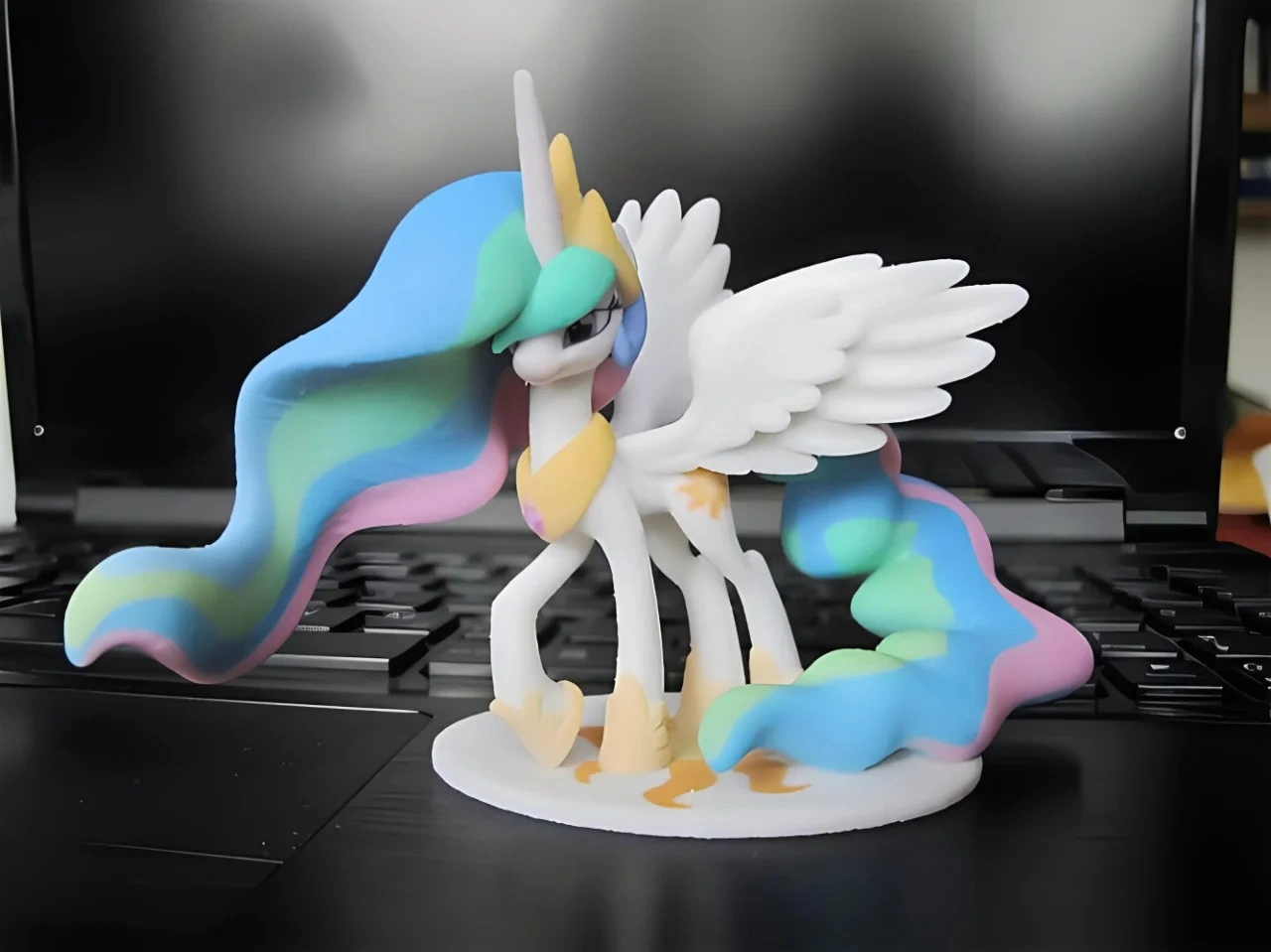
An opaque paint system can make urethane, printed polymer and metal components appear coordinated in a design review. That is valuable evidence for color blocking, gloss balance and assembled presentation. It may hide differences in substrate roughness, thermal behavior and coating adhesion.
Anodizing and other substrate-reactive treatments are more sensitive to exact alloy and condition. Powder coating also depends on cure temperature, outgassing and pretreatment. The as-cast surface and finish review should be repeated on production samples.
Define a Comparison Method
Compare prototype and target under the same lighting, viewing distance, orientation, cleaning and assembly state. Identify primary cosmetic zones and allowed witnesses. Use physical target and limit samples where texture, metallic effect or curved gloss cannot be controlled from a digital value alone.
Color or gloss instruments can support the comparison when geometry and method are suitable. Record measurement locations and correlate readings with visual acceptance. A single number cannot describe texture interruption, seam repair, sink or highlight waviness.
Choose the Prototype by the Risk to Retire
Use urethane when repeated molded-looking plastic forms, master texture or selected tactile response are the key questions. Use machined metal when real-metal handling or an alloy-compatible finish concept matters. Use a production-tool sample when the decision depends on injection or die-casting artifacts, production texture, coating variation or service qualification.
Provide CAD, production process/material, surface-zone map, target sample, comparison method and acceptance purpose in the RFQ. Ask the supplier to state every substrate and process substitution. A close simulation is defensible only for named attributes under named conditions; the remaining production evidence should stay visible.