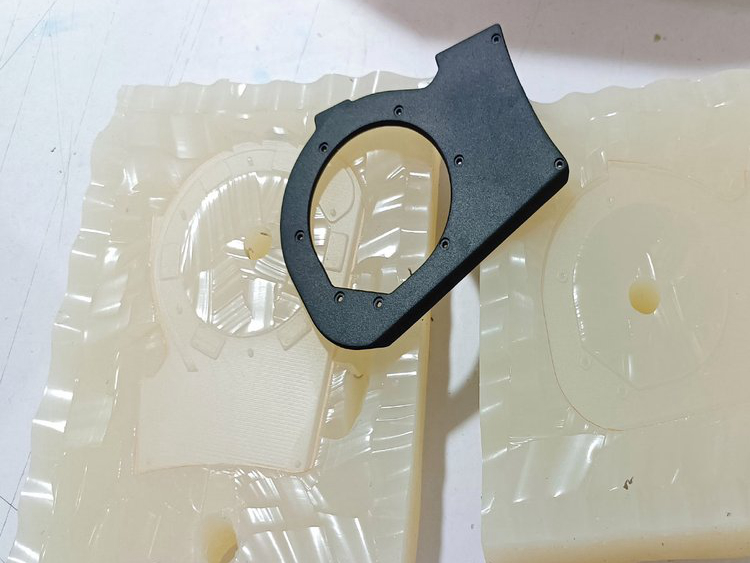
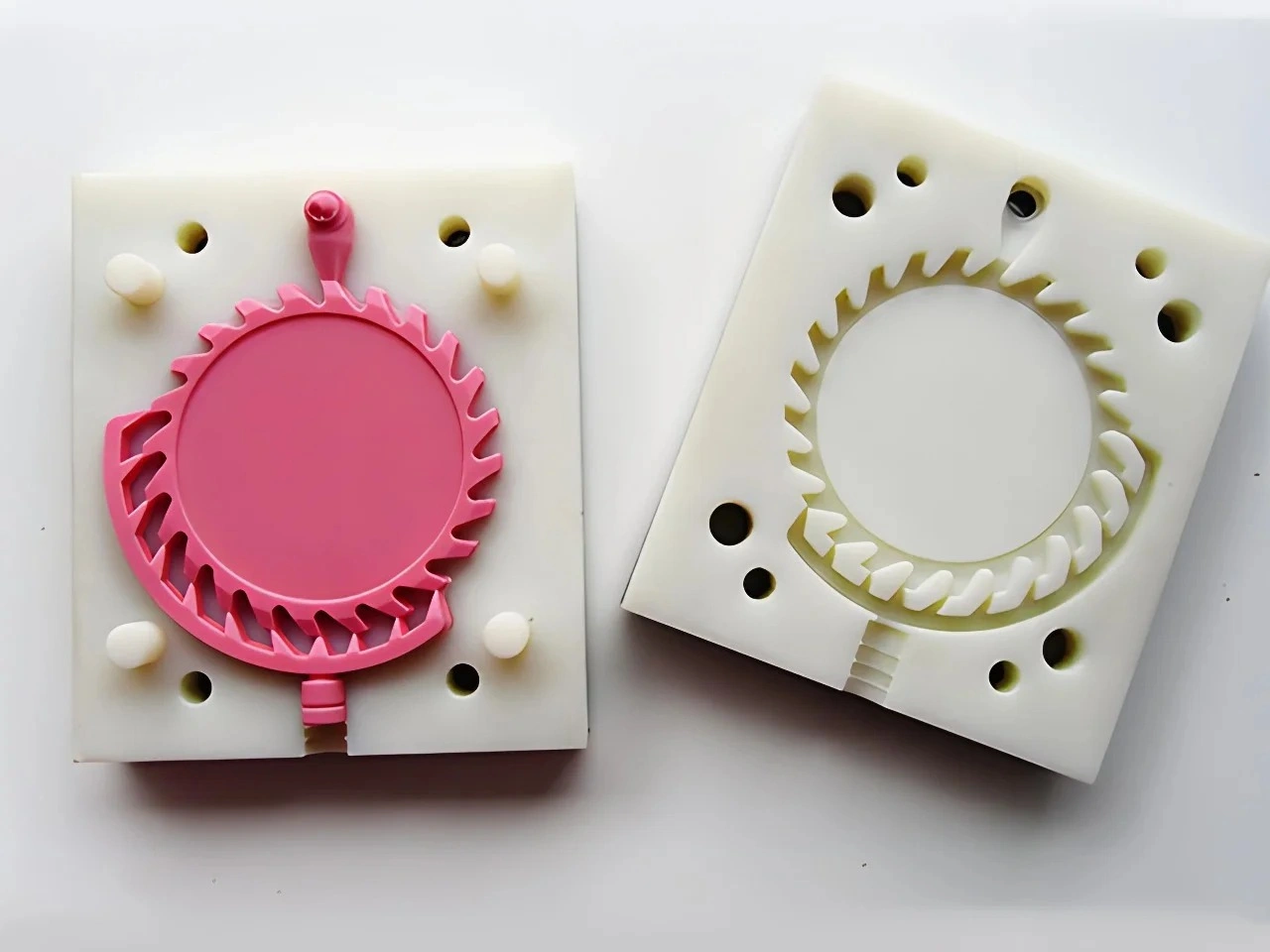
How do urethane prototypes support the transition into mass-production tooling?
Urethane prototypes support the transition into mass-production tooling by closing product-level questions before expensive tool decisions become difficult to change. They can verify envelope, assembly access, mating relationships, ergonomics, appearance targets and selected component tests. They cannot validate production-resin flow, gates, runners, weld lines, cooling, ejection, cycle time or yield. A controlled handoff must separate transferable learning from production-specific evidence.
Build an Evidence-Transfer Register
| Requirement | Possible urethane evidence | Production evidence still required |
|---|---|---|
| External envelope and access | Assembly trial with identified mating parts and revision | First article from production tool |
| Visible gap, color and texture target | Approved physical appearance sample under defined viewing conditions | Production resin, tool texture and molding/finish approval |
| Grip or button geometry | User task review across selected cast hardness variants | Production material durability and environmental testing |
| Insert location | Datum measurement and project-specific pull or torque screening | Production insertion or overmolding process capability |
| Gate, weld line, cooling and ejection | No direct process evidence | Simulation, tool DFM, sampling and process qualification |
| Rate and yield | No direct process evidence | Controlled production runs and capability data |
Close Product Geometry Before Tool Release
Repeated cast parts can reveal interference, inaccessible fasteners, cable routing problems, unstable locating features and uncomfortable hand contact. These are product questions that are costly to discover after steel has been cut. The prototype build should use controlled CAD and drawings, actual mating components where possible, and a test plan tied to drawing features.
Record part ID, revision, mold or cavity and conditioning for measured parts. A cast part may shrink or distort differently from a production molding, so dimensional results should be interpreted feature by feature. Use the build to confirm functional relationships and refine tolerances, then let the production supplier set realistic tooling dimensions and process allowances for the selected resin and geometry.
Turn Appearance into a Controlled Target
A finished urethane prototype can align industrial design, engineering, marketing and procurement around color breaks, texture scale, gloss, edge treatment and visible gaps. This works when the sample is controlled. Identify the master finish, coating steps, physical color or texture standard, viewing face, lighting and allowed witness areas.
Do not hand an unrecorded show sample to a toolmaker and call it a production specification. Production appearance depends on tool steel, texture process, resin, pigment, wall section, molding conditions and secondary finish. Keep the approved urethane sample as a design target, then create production-specific plaques, first articles and limit samples. The production-plastic simulation FAQ explains why visual similarity and material qualification are different claims.
Prepare Assembly and Inspection Work
Multiple prototypes allow manufacturing engineers to rehearse assembly sequence, tool access, fixture contact, label placement and packaging support before production parts exist. A checking fixture or work instruction can be developed around the intended datum logic. Operators can identify awkward motions or areas prone to cosmetic damage.
Any fixture based on urethane samples needs allowance for prototype variation and stiffness. Do not freeze production nests around one cast part without reconciling CAD and production tolerances. Use coordinate or gauge results to establish which locators represent nominal design and which merely follow a prototype. Revalidate fixtures with production first articles before release.
Resolve Interface and Insert Questions
Cast parts can help compare snap geometry, seal compression, insert access, boss support and soft-over-rigid coverage. Sectioned samples may show whether an interface has sufficient overlap, while pull, torque or leak screening can reject weak concepts. These tests are most useful when load direction, environment, cycle count and acceptance criteria are defined.
The result transfers as product learning: retain this geometry, add a mechanical key, increase tool access or change the seal path. It does not qualify production adhesion or insertion. Production resin, substrate preparation, melt history, pressure and tool temperature create different interface conditions. Carry those requirements into production-material trials and process qualification.
What Urethane Prototypes Cannot Tell Toolmakers
A physical urethane part shows the desired product form, not how molten production resin will make that form. It cannot locate a gate by observed filling, predict runner balance, establish vent depth, reveal weld-line strength or validate fiber orientation. It cannot prove ejection force, cooling balance, sink response, cycle time or stable yield.
Toolmakers may use the geometry and approved product surfaces as inputs, but production decisions require the production CAD, resin data, mold-flow analysis where justified, tool standards, press assumptions and manufacturing experience. Treat any silicone-mold cut, vent or parting choice as prototype-specific unless a separate production review approves the same location.
Use Release Gates Instead of Assuming a Seamless Transition
Prototype Plan Gate
List product questions, sample allocation and acceptance criteria. Confirm which questions cast polyurethane can answer and flag the rest as production-specific.
Prototype Evidence Gate
Complete assembly, appearance, ergonomic and bounded functional reviews. Link every result to sample and revision. Record failures and unresolved variation rather than approving only the best unit.
Production DFM Gate
Review draft, wall transitions, ribs, bosses, gates, ejection, slides, cooling and tool access for the actual production process. Reconcile any prototype-only undercuts or part splits.
Tool Release Gate
Release tooling only after the product baseline, expected volumes, resin, appearance specification, tool assumptions, modification responsibility and qualification plan are controlled.
Production Sample Gate
Inspect and test first articles made in the production material and tool. Recheck assembly, appearance and function; do not waive this work because urethane samples passed.
Manage Revision Traceability
A prototype program loses value when CAD, drawing, master, cast samples and test reports use different revisions. Put one identifier on every artifact. When geometry changes, decide which earlier results remain valid. A relocated boss may leave appearance evidence valid while invalidating assembly and fixture results; a material-sensitive snap change may require both geometry and test repetition.
Keep photographs, inspection reports, material identification and physical limit samples with the decision record. The transition timing FAQ can help determine when repeated prototype learning has declined enough to justify production-process evidence.
Buyer Handoff Package
Before requesting production tooling, issue controlled CAD and drawings, production resin and finish requirements, annual and launch volumes, appearance standards, mating-part data, critical dimensions and datums, test specifications and the evidence-transfer register. Include prototype reports, but label cast material and process clearly.
Ask the production supplier to return a DFM review, tool concept, proposed parting/gate/ejection approach, sampling plan, measurement strategy, process assumptions and change-control route. Open items should have owners and closure dates. This makes urethane prototypes useful because they reduce unresolved product uncertainty, while production tooling remains responsible for production evidence.
The transition is successful when the team can say exactly what the urethane build proved and what it did not. That discipline protects tooling decisions better than an attractive prototype or an unsupported claim of tooling savings. For the wider prototyping route, see the benefits of urethane casting prototyping.