How many units can you produce using soft tooling or urethane casting?
The producible quantity from soft tooling or urethane casting cannot be guaranteed from the process name alone. A silicone urethane mold may make a small batch before tears, distortion, surface loss, or resin effects exceed acceptance. A metal bridge tool may make a much larger interim run, but alloy temperature, tool material, geometry, slides, cooling, surface standard, dimensional requirements, maintenance, and design changes control its usable life. Quote accepted units, not theoretical cycles.
Do not treat urethane and metal soft tools as one category
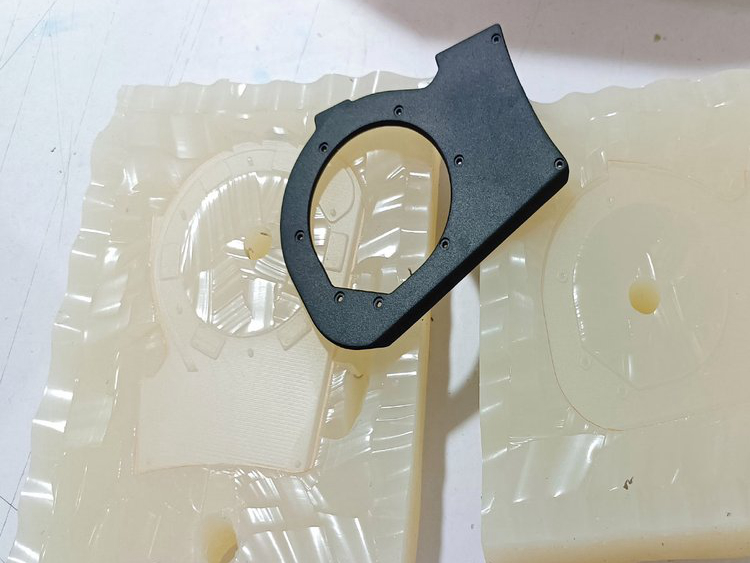
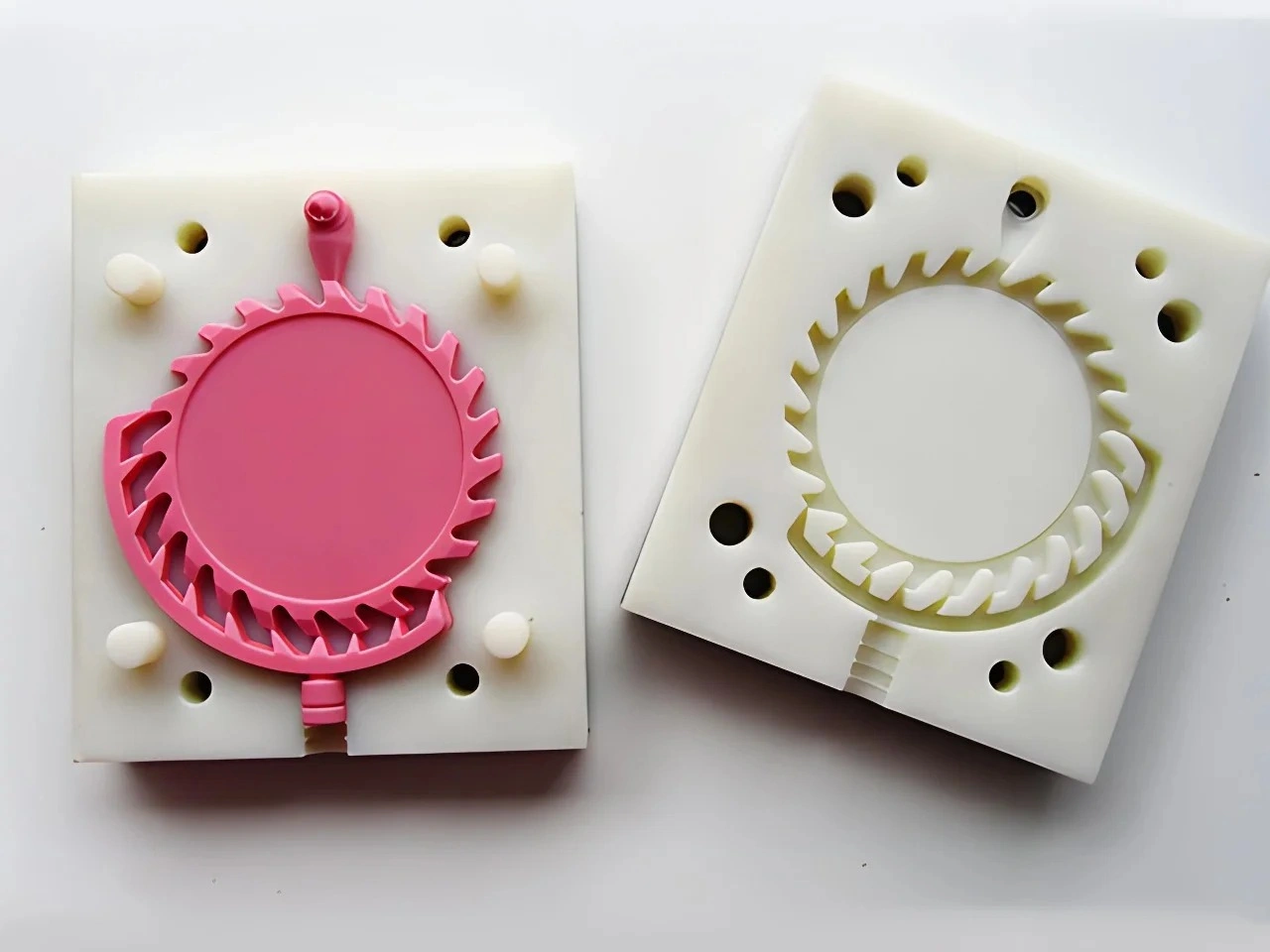
Urethane casting uses a master and flexible silicone mold to produce plastic-like parts. Tool degradation may appear as tearing, swelling, loss of texture, dimensional drift, flash, or demolding damage. Resin cure heat and chemistry, part size, undercuts, deep ribs, inserts, and appearance demands all affect output.
Metal soft tooling is a bridge or low-duty mold/die for a metal casting process. Tool wear may occur at gates, parting surfaces, cores, slides, ejectors, and hot regions. Tool material, heat treatment, alloy, temperatures, cooling, lubrication, cycle, cavity design, and repair strategy matter. The parts are metal castings, not urethane copies.
Output driver | Urethane silicone mold | Metal soft/bridge tool | Acceptance evidence |
|---|---|---|---|
Part geometry | Undercuts and deep features strain the flexible mold | Slides, cores, thin steel and difficult ejection increase wear | Approved DFM and first-article inspection |
Material/process | Resin exotherm, cure and chemical interaction affect silicone | Casting alloy and thermal cycle load the tool | Named resin/alloy and controlled process plan |
Quality level | Cosmetic texture may fail before basic fit | Flash, dimensions or surface may fail before the tool stops cycling | Defined cosmetic zones, dimensions and gauges |
Maintenance/change | Local repair is limited; new mold may follow a new master | Inserts and wear areas may be serviced if designed for access | Inspection intervals and replacement criteria |
Define usable output before quoting
Specify accepted quantity by revision and delivery lot. Include spares and destructive test samples. Define dimensions, appearance, material, finish, assembly, and inspection. A mold that can physically release another part may no longer meet a visible-texture requirement; a die that still runs may no longer control flash or a moving-core dimension.
Ask whether the quotation covers one mold/tool or replacement copies, and whether output is a target, estimate, or committed accepted quantity. State what happens if the tool reaches a quality limit early. A replacement mold, insert, or tool may have its own first-article approval.
Allocate output risk commercially
For a fixed launch quantity, ask the supplier to quote a manufacturing plan rather than a tool-life guess. The plan may use several silicone molds, spare masters, replaceable die inserts, scheduled maintenance, or contingency capacity. Define who pays for replacement after normal wear, accidental damage, an approved design change, or processing outside the agreed window.
Separate guaranteed accepted delivery from estimated residual tool life. A tool can complete the contracted quantity yet have uncertain capacity for a repeat order. Before placing that repeat order, review inspection trends, maintenance history, stored-tool condition, current revision, and whether quality requirements changed.
Sample output through the run
First-article approval alone does not show late-run condition. Select dimensional and appearance checkpoints across each mold or tool run, including wear-sensitive features and each cavity. Keep sample identity linked to mold, cavity, date, and process lot. Trend results where drift matters.
When a limit is approached, decide whether adjustment, repair, replacement, or reduced acceptance is allowed. Never mix downgraded cosmetic parts into a lot approved for visible use without buyer authorization. Output is usable only when every delivered unit meets the agreed revision and acceptance level.
Estimate urethane mold output
Review master quality, silicone system, resin, cure, part mass, wall distribution, undercuts, shutoffs, inserts, extraction method, color changes, and surface standard. Multiple silicone molds can run in parallel when quantity or schedule requires it, but mold-to-mold differences and master wear need control.
Use early pieces for first-article and appearance approval. Track dimensions and surface at intervals instead of discovering drift at final inspection. If several variants are expected, decide whether to use separate masters and molds or wait until geometry is stable.
Estimate metal soft-tool output
The tool design should identify tool material, cavities, inserts, gates, cooling, vents, slides, ejectors, trim, repair access, and process alloy. Zinc and aluminum impose different thermal and wear conditions; a simplified tool may also use manual operations that limit rate rather than physical life.
Define inspection by cavity and monitor wear-sensitive features. Maintenance intervals may include cleaning vents, checking gates and parting lines, servicing slides, confirming cooling, and measuring inserts. Production should stop or correct when accepted-part criteria fail, not when a theoretical cycle counter is reached.
Choose between the two routes
Use urethane when plastic-like material, appearance, fit, user evaluation, or rapid variants answer the question. Use metal soft tooling when actual cast alloy, process-like surface, machining, finish, field quantity, or interim supply matters. If only a few metal parts are needed, machining or another casting route may be more economical than a die.
Provide CAD, material, quantity by date, production intent, finish, tests, tolerances, appearance zones, revision likelihood, and replacement strategy. The supplier can then estimate accepted output and quote enough molds or tooling capacity. A universal pieces-per-tool number is not a reliable purchasing basis.