What are the main benefits of urethane casting for prototyping?
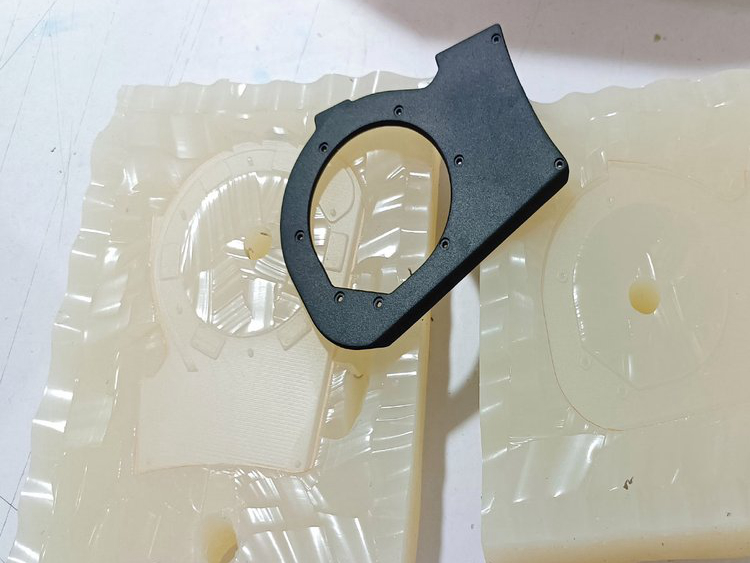
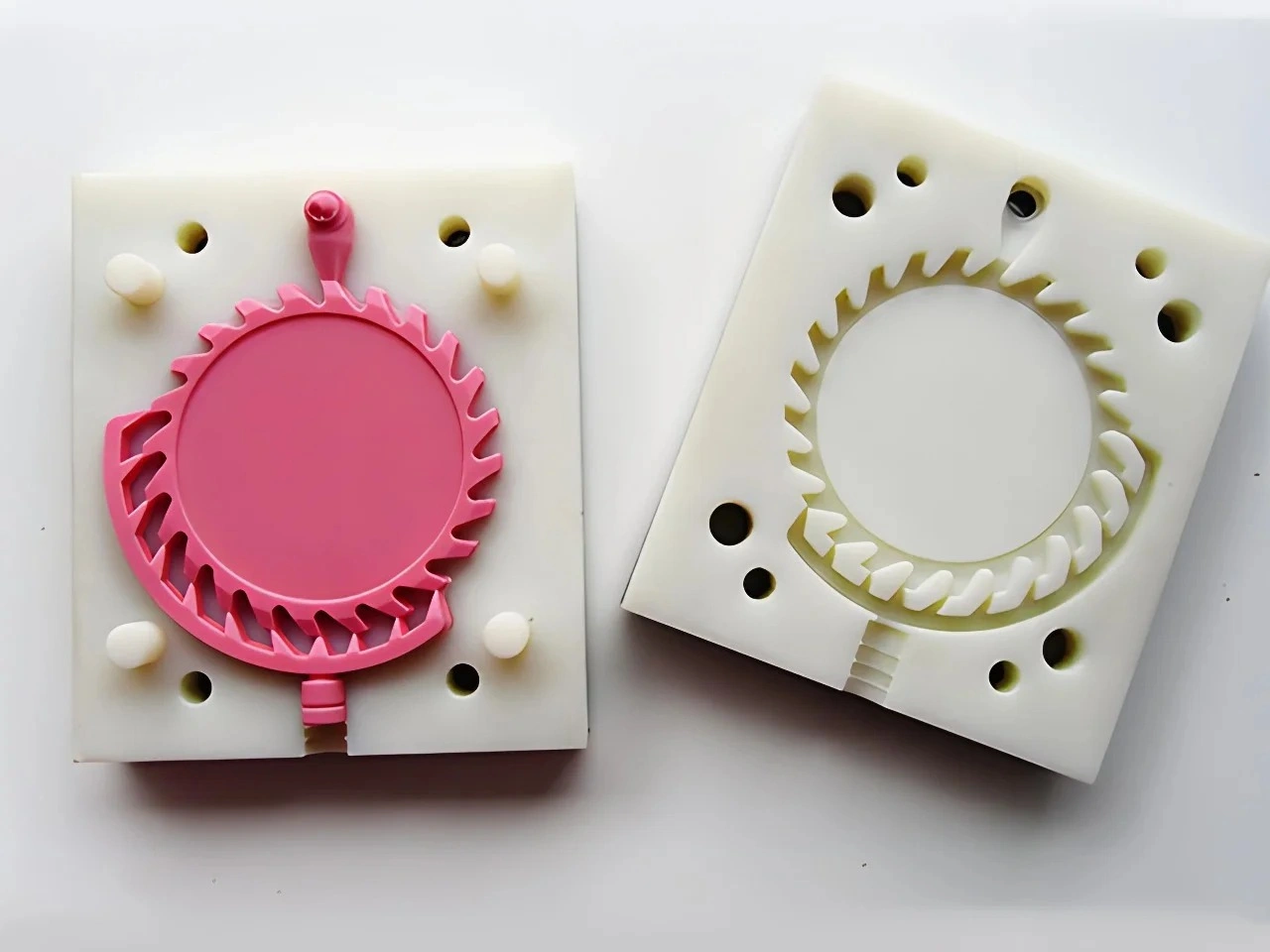
The main benefits of urethane casting are repeated plastic-like parts from one controlled master, a molded surface for appearance review, flexible-tool release of selected undercuts, polyurethane property and color variants, and lower revision exposure than production tooling. These benefits matter when several parts from a stable revision are needed. They do not make cast polyurethane identical to production resin or remove mold-life, labor and inspection limits.
Benefits with Conditions and Evidence
| Benefit | Applicable condition | Limitation | Evidence or action |
|---|---|---|---|
| Repeated molded parts | Several assembly or review sets use one stable revision | Manual casting and mold condition can change output | Approve a first-off and track cast sequence |
| Appearance evaluation | Color, texture, gloss and gaps need physical review | Master and finishing route influence the result | Use physical standards and controlled viewing |
| Selected complex features | Silicone can peel around the undercut without damage | Deep locks, fragile hooks and enclosed cores remain risky | Approve mold split, cuts, cores and witness zones |
| Property variants | The test concerns a bounded hardness, stiffness or clarity range | Polyurethane does not qualify a named thermoplastic | Identify resin and test under stated conditions |
| Revision flexibility | Product questions remain open before hard tooling | A change may invalidate master, mold and work in process | Control revision and price remaster/remold scenarios |
Several Parts Can Produce Better Development Evidence
A single presentation model can confirm shape, but it cannot support parallel assembly work, user handling and destructive tests. Urethane casting lets a team allocate parts from one approved master to different evidence tasks. One set may be measured, another repeatedly assembled, another finished as an appearance reference and another consumed in a defined functional screen.
The buyer should state quantity by test rather than request an arbitrary batch. Keep cosmetic references away from destructive work and identify each sample. When dimensions or performance are compared, record mold or cavity, cast sequence, resin batch where relevant and conditioning time. The benefit is controlled repetition, not injection-molding process capability.
Molded Appearance Is Useful When the Reference Is Controlled
Silicone reproduces the prepared master surface, so a cast set can help teams judge texture scale, highlight lines, color breaks, tactile zones and the relationship between adjacent parts. Pigment, paint, polishing and masking may extend the appearance study. This often communicates design intent better than a raw direct print.
Appearance is conditional on the master, mold surface, resin, wall thickness and finishing route. Define cosmetic faces, permitted parting or cut witness, a physical color/texture standard and viewing conditions. Approve a first-off and preserve a protected limit sample. Production tool steel, production resin and molding conditions require their own appearance qualification.
Silicone Flexibility Can Reduce Prototype Tool Complexity
A compliant mold can peel over selected external undercuts and can use planned cuts, loose cores or plugs. This may avoid mechanical slides during the prototype stage and preserve a product envelope for evaluation. It is especially useful when the feature itself is still being assessed.
Flexibility is not unlimited. Thin hooks can break, deep reverse features can tear silicone, and long internal cores can deflect or lock. Ask for the demolding sequence and identify what flexes. Put witness lines and trim zones on the drawing. A successful silicone release does not validate production draft, ejection or side-action requirements; those belong in production DFM.
Material and Color Variants Support Comparison
Different polyurethane systems can support comparison of hardness, stiffness, clarity, color or tactile response. Sequential casting or inserts can also model a soft region on a rigid carrier. These are useful benefits when the project asks a narrow question such as which grip response users prefer or whether a clear window reveals the intended feature.
A descriptive resin label is not material equivalence. State the load, temperature, fluid, duration and pass criterion. Identify the actual cast material and cure condition. Use the result to select geometry or the next production-material test. For the technical boundary, review the functional material simulation FAQ.
Soft Tooling Can Limit Early Capital Exposure
A master and silicone mold usually involve a different upfront asset than an engineered production mold. That can be useful while assembly, ergonomics or appearance questions remain open. If a problem is found, the team can compare remastering and remolding with modifying or replacing production tooling.
Lower upfront exposure does not guarantee lower program cost. Include master preparation, mold construction and replacement, casting, cure, trimming, finish, inserts, inspection, reports, packaging and revision scenarios. Compare the same accepted state with direct printing, CNC and injection molding. The urethane casting benefit guide provides a fuller cost-and-evidence framework.
Know When the Benefits Do Not Apply
A one-off changing concept may not justify a master and mold. Exact stock material or accessible precision features may favor CNC. Production-resin flow, molded adhesion, weld lines, fiber orientation, ejection or rate require injection-molded samples. Long-term service, regulated requirements and severe environments require the specified material and process evidence.
Buyers should send controlled CAD and drawings, the next decision, quantity by test, production context, material or appearance target, critical interfaces and acceptance criteria. Urethane casting is most valuable when those inputs turn its flexibility into documented product learning rather than attractive but ambiguous samples.