What is the typical lead time for urethane prototype production?
There is no reliable universal lead time for urethane prototype production. The date depends on released CAD, master route and finish, buyer approval, silicone mold complexity, resin availability and cure, quantity, inserts, paint or texture, inspection and remake contingency. Request a dated critical path for the actual deliverable, with separate milestones for the first accepted part and the complete finished lot.
Define the Delivery Milestone
"Parts ready" can mean the master is complete, the first raw casting is demolded, a cosmetic sample is approved, or the full quantity has passed finish and inspection. These dates answer different planning questions. The purchase order should define delivery condition, destination and the evidence that releases shipment.
Partial delivery may help assembly or photography if the early pieces are representative and accepted for that purpose. State whether the first articles carry final resin, color, texture, inserts and reports. An unfinished casting does not prove the date for painted, assembled prototypes.
Dated Critical Path
| Stage | Release input | Common dependency | Approval evidence |
|---|---|---|---|
| Engineering release | Controlled CAD, drawing and acceptance state | Open geometry or material decisions | Resolved DFM and revision |
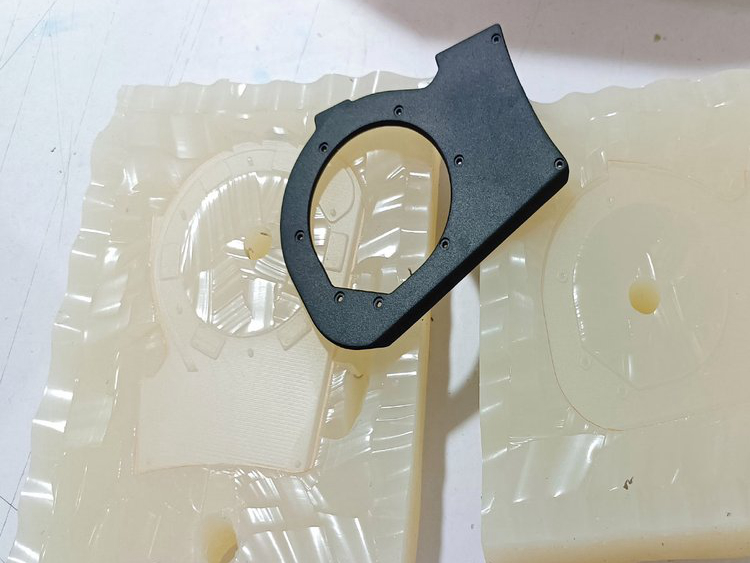
| Master pattern | Approved build route and compensation | Print/machine queue and surface preparation | Master dimensions and appearance |
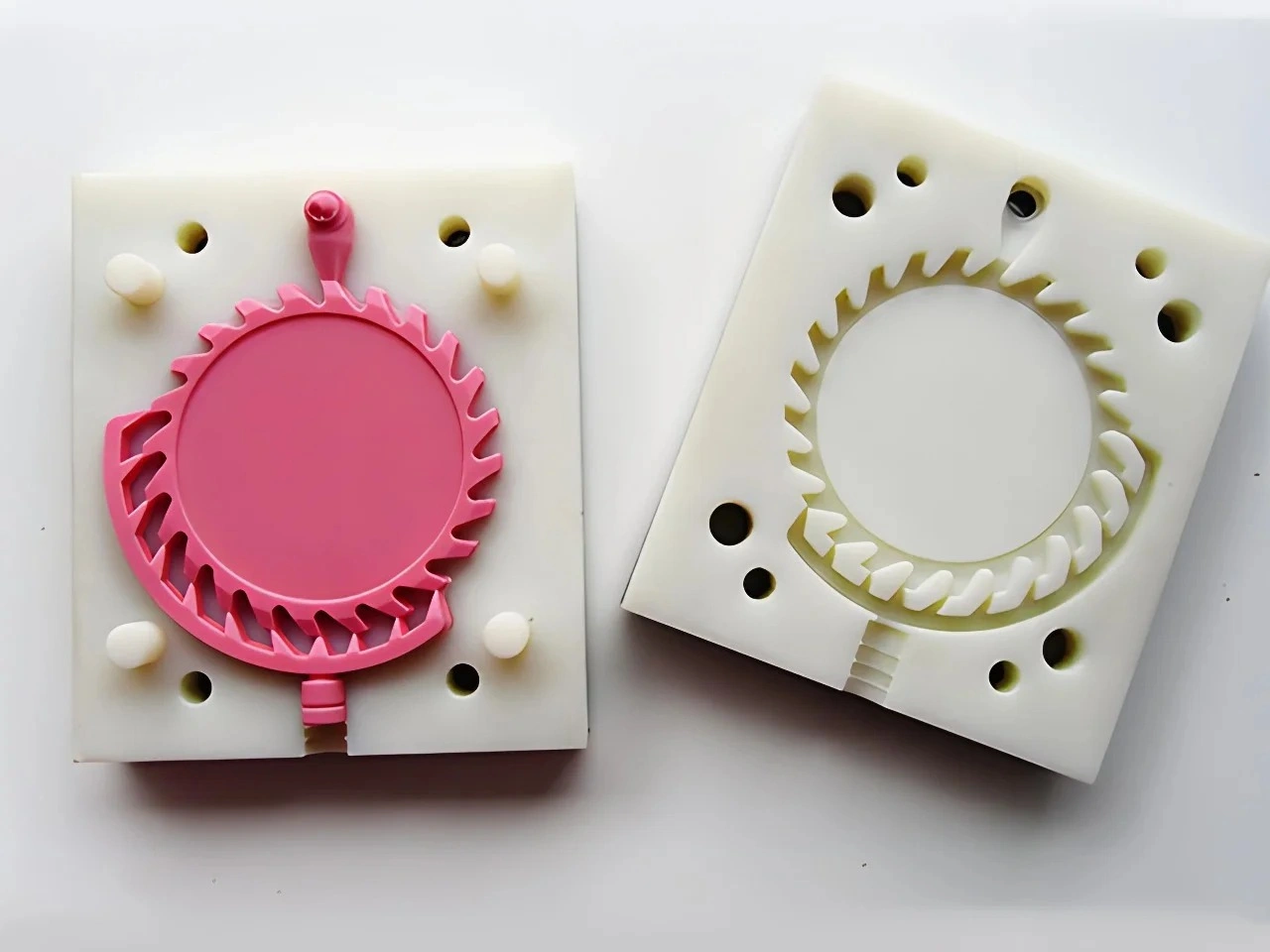
| Silicone mold | Master approval and mold plan | Parting, inserts, vents and silicone cure | First raw casting |
| Casting lot | Resin, color, mold and hardware ready | Cure capacity, demolding and mold condition | Accepted raw parts |
| Finish/assembly | Approved color/texture and trim state | Surface prep, masking, coating and bonding | Appearance and assembly sample |
| Final release | Inspection plan, reports and packaging | Rework, buyer disposition and transport | Accepted quantity at destination state |
Released Data Starts Productive Work
A purchase order with unresolved CAD/drawing conflict is not a stable start date. Supply controlled geometry, prototype purpose, quantity, resin attributes, appearance zones, critical dimensions, inserts, finish, tests and packaging. Set response dates for supplier questions and deviations.
A late change can obsolete the master, mold, trim fixture, paint mask and parts already cast. Define a change cutoff and obtain cost/schedule disposition before releasing a new revision. The urethane prototype RFQ checklist helps expose missing inputs before dates are promised.
Master Preparation Can Control the Schedule
The master may be printed, machined or assembled. Its production queue is only one part of the milestone. Support removal, filling, sanding, priming, polishing, texture and dimensional correction may take longer than the underlying build. Cosmetic quality cannot be recovered cheaply after a flawed master has been molded.
Put master inspection and buyer approval on the schedule. If the supplier proceeds to silicone tooling before appearance or dimensions are accepted, the buyer should understand the work-at-risk consequence. A rapid master that needs repeated repair may reach approval later than a more controlled route.
Mold Complexity Affects More Than Cure
A simple split may be straightforward; a deep undercut or multi-piece geometry may need planned cuts, loose inserts, support shells or trial demolding. Gate and vent locations also influence trim and cosmetic work. These decisions should be reviewed before silicone is poured.
When the required quantity needs multiple molds, include mold replication, cavity comparison and first-piece approval. Parallel tooling can increase casting capacity but does not eliminate resin cure, finishing or inspection constraints. The schedule should identify the actual bottleneck.
Resin Cure and Part Age Matter
Resin system, part mass, wall distribution, ambient controls and any specified post-cure affect demolding and test readiness. A part may be safe to demold before its properties or dimensions are suitable for final evaluation. State the age and conditioning required before inspection or functional test.
Material availability and color/additive preparation can also hold the lot. Do not substitute a convenient resin to protect the date without engineering approval. The prototype question may depend on hardness, clarity, flexibility or compatibility with a coating and insert adhesive.
Finish and Approval Often Set the Final Date
Seam cleanup, paint, texture correction, masking, graphics, bonding and assembly add sequential work. Coating layers may need flash or cure between operations. A color mismatch can require a new sample and buyer decision even when raw castings are complete.
Approve a physical color/texture standard before finishing the full lot. State viewing conditions and acceptable witness marks. The guidance on finish-sample approval should name the approver and response deadline.
Build Remake and Mold-Degradation Contingency
Plan what happens if the first casting reveals air, incomplete fill, dimensional bias, surface transfer or demolding damage. A correction may involve vents, gate change, master repair, mold remake, resin adjustment or revised cure. Record which action needs buyer approval and the next available production slot.
Mold condition can change during the lot. Define the appearance or dimensional limit that triggers replacement, and reserve overlapping mold capacity when the delivery consequence warrants it. Contingency time is not a prediction of failure; it makes the nominal schedule honest.
Lead-Time RFQ Checklist
Request dates for data closure, DFM disposition, master completion, master approval, mold completion, first raw casting, resin/finish approval, first accepted part, full-lot casting, finishing, inspection, packing and dispatch. Ask which milestones depend on outside vendors or buyer decisions.
A credible urethane prototype lead time is a capacity-backed sequence for the exact part and final state. It should identify owners, dependencies, approval windows and remake logic. A generic week range cannot replace that schedule.