What processes can achieve production-quality surfaces on early prototypes?
High-resolution 3D printing followed by controlled preparation, urethane casting from an approved master, CNC machining, and prototype metal casting can all produce production-intent surfaces. The right process depends on what must be approved: shape and highlights, repeated molded texture, real-metal finish response, or production-material evidence. In most cases, the accepted surface comes from the base process plus planned finishing and inspection, not directly from fabrication.
Match the Process to the Surface Question
| Route | Useful surface decision | Typical preparation | Evidence boundary |
|---|---|---|---|
| Finished 3D print | Form, highlight flow, paint and texture concept | Support removal, leveling, filler/primer and coating | Does not reproduce molded flow or production substrate |
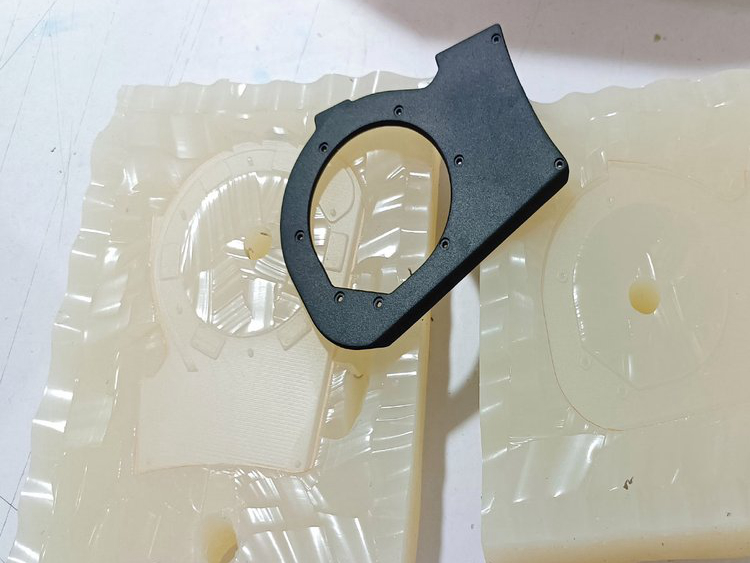
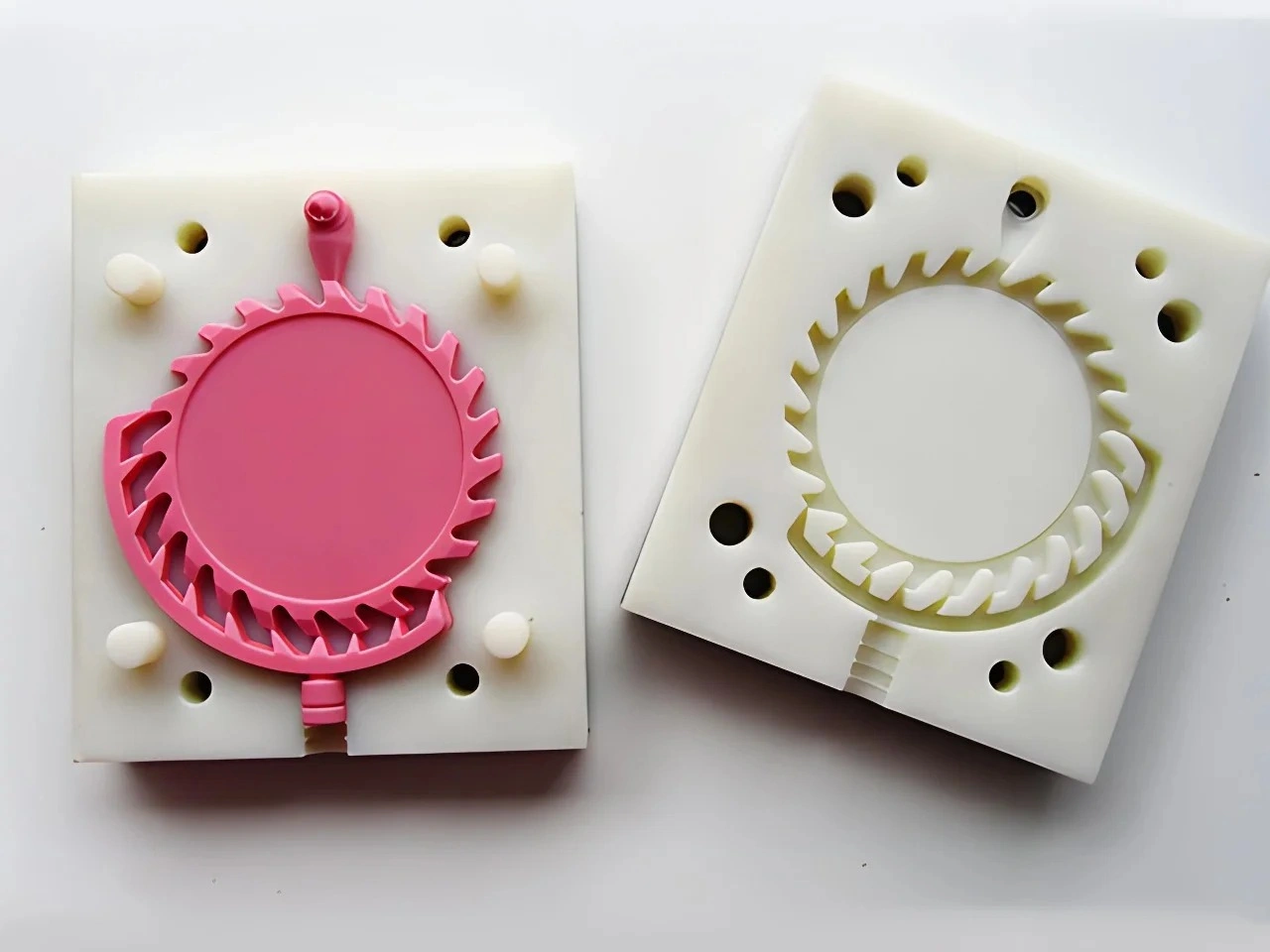
| Urethane casting | Repeated master-derived texture and molded appearance | Approved master, silicone mold, trim and optional paint | Does not qualify production resin or metal tooling |
| CNC machining | Controlled geometry and compatible stock-material finish | Tool-path refinement, deburring, polishing or coating | Stock condition differs from molded or cast structure |
| Prototype metal casting | Metal substrate, weight and selected finish interaction | Gate/flash removal, machining and surface preparation | Prototype process artifacts may differ from production |
Define Production Quality Before Choosing Equipment
Production-quality should mean accepted under stated conditions. Mark primary and secondary cosmetic zones, allowed parting or gate evidence, texture source, color and gloss reference, masked functional areas, assembly condition, viewing distance and lighting. Without that definition, suppliers can quote unlike results under the same finish name.
A photography model may need controlled highlights and color but no wear evidence. A user trial may prioritize tactile texture and assembled gaps. A coating-development sample may require the correct substrate even if its geometry is simplified. The approval purpose decides which substitution is acceptable.
Use 3D Printing for Fast Appearance Iteration
A fine-resolution print can establish complex form quickly, but build orientation, support contact and layer stepping affect the as-built surface. Sanding, filler and primer can level those marks; they can also soften edges, logos and small radii. Inspect geometry after preparation when those features control the review.
The 3D printing process is useful when one or a few versions are still changing. It becomes less attractive when many repeated parts need the same manually prepared surface, because each unit introduces another preparation and inspection cycle.
Use Urethane Casting for Repeated Master-Derived Surfaces
Silicone tooling can reproduce fine features from a finished master across a limited repeated lot. The master must be approved in its final cosmetic condition: silicone records wanted texture together with sanding waves, repair edges and dust. Mold splits, gates, vents, air, trimming and mold wear add surface variables that are not present on the master.
The urethane casting route fits projects that need several molded-looking samples, color variants, assembly sets or tactile studies. It simulates selected appearance attributes; it does not recreate injection-mold resin flow, fiber orientation, weld lines or production-tool texture capability.
Use CNC Machining When Substrate and Geometry Matter
CNC machining can create accurate interfaces and a controlled starting surface in suitable polymer or metal stock. Tool direction, step-over, tool condition, burr formation, fixtures and access influence visible results. Polishing or blasting may change reflection, while paint, anodizing or another treatment must suit the exact alloy and condition.
A CNC-machined prototype can support finish screening on a real metal or polymer family when stock is available. It still cannot establish the skin, porosity, flow marks or microstructure created by a later casting or molding process. Record the stock grade and route with every approved sample.
Choose Prototype Casting for Metal-Specific Learning
A prototype casting can provide metal weight, thermal feel and a cast substrate for machining or coating studies. Sand, investment and other prototype routes create their own roughness, gates, inclusions and dimensional behavior. A surface accepted after extensive filling or polishing should not be treated as evidence of the later die-cast process.
Use this route when the metal substrate answers a decision that print or urethane cannot. Ask the supplier to identify which surface effects come from the prototype casting method and which finish operations are intended to represent production.
Plan Post-Processing as Part of the Route
Cleaning, leveling, filling, priming, blasting, polishing, painting, graphics and clear coating each solve a specific problem. Their order matters. A coating can reveal rather than hide waviness; aggressive blasting can erase fine detail; polishing can expose cast porosity; film build can close gaps or threads.
Approve the complete stack on a representative part or coupon, then inspect the assembled prototype. Keep functional surfaces masked and state whether dimensions apply before or after finish. Packaging must prevent rub, imprint and pressure marking after final acceptance.
Request Evidence Before Releasing the Prototype
Send controlled CAD, cosmetic zones, prototype purpose, production material/process, appearance references, permitted witnesses, defect limits, assembly state and quantity. Ask for the base route, preparation and finish sequence, repair policy, first-article sample, inspection condition and limitations of production comparison.
No single process owns production-quality prototype surfaces. The defensible choice is the route that reaches the named appearance decision with controlled preparation and the fewest misleading substitutions.