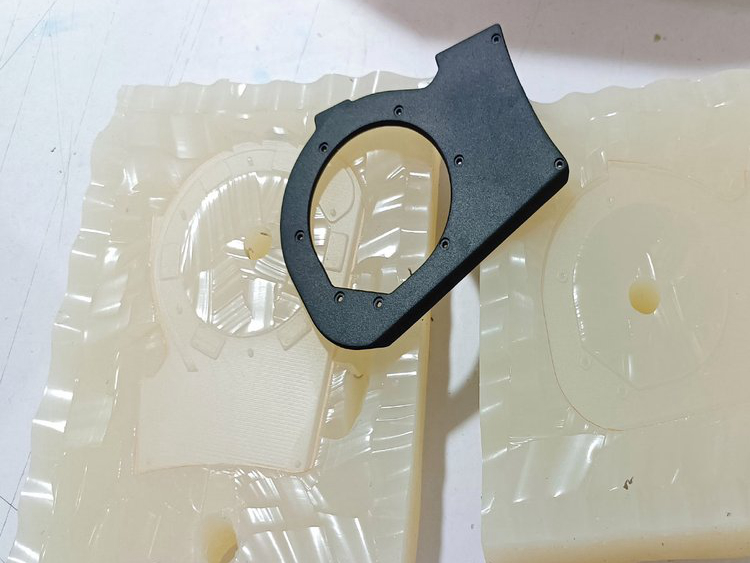
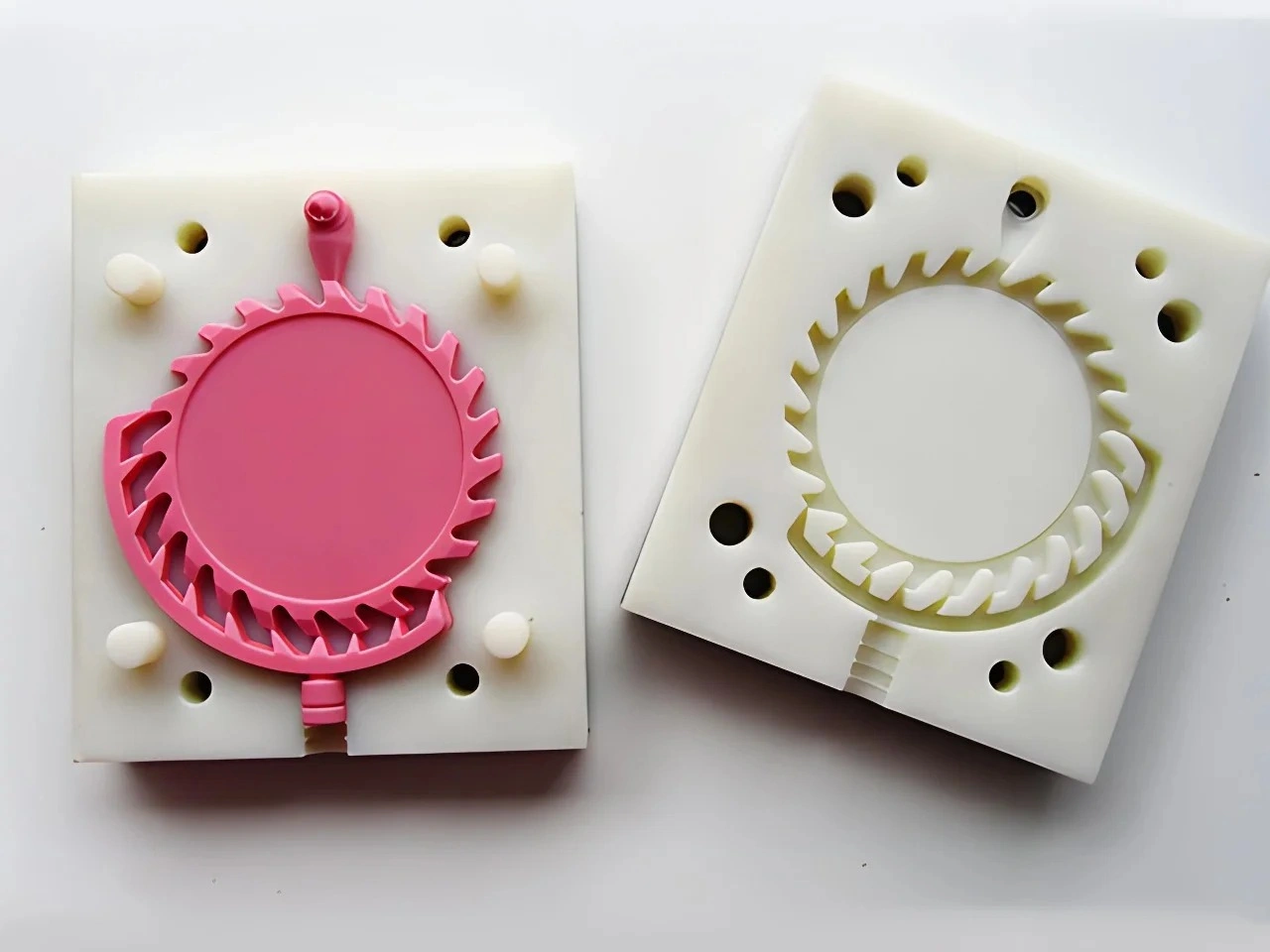
When should a project transition from urethane casting to injection molding or die casting?
Transition from urethane casting when the project needs evidence or output that cast polyurethane and silicone tooling cannot provide. Typical triggers are the specified production resin or metal alloy, production-process behavior, sustained rate, stable cumulative demand, qualified appearance or service performance. Make the decision from total delivered cost, revision exposure and launch readiness; there is no universal unit threshold for injection molding or die casting.
Transition Trigger Matrix
| Trigger | Stay with urethane when | Transition when | Evidence needed |
|---|---|---|---|
| Material | A bounded polyurethane screen answers the next question | Specified thermoplastic or metal properties govern acceptance | Production material specification and test plan |
| Process | Product envelope, appearance target or assembly remains open | Gate, weld line, cooling, ejection or cast-metal quality must be evaluated | Production DFM, simulation/sampling and qualification |
| Demand | Quantity is uncertain, intermittent or revision-exposed | Stable volume and cadence justify production assets and capacity | Demand scenarios and supplier capacity plan |
| Economics | Soft-tool replacement and manual work remain acceptable | Cumulative delivered cost favors hard tooling | Same-state quotes including tooling, finish and inspection |
| Design maturity | Physical product questions remain unresolved | Tool-driving geometry and specifications are controlled | Open-item register and change process |
Transition for Production Material Evidence
Cast polyurethane can screen selected stiffness, hardness, clarity or tactile response. It cannot qualify a production thermoplastic grade, flame-retardant system, chemically resistant resin or metal alloy. If acceptance depends on long-term creep, fatigue, temperature, fluid exposure, regulated material records, conductivity or metal strength, production-intent material is required.
For a plastic product, that may mean injection-molded samples from the specified resin and representative tool/process. For a metal product, die casting is a different route using a metal alloy and engineered die; a polyurethane shape cannot validate alloy microstructure, porosity, thermal response or structural behavior. Choose between injection molding and die casting from the actual product material and performance requirement, not from volume alone.
Transition for Production Process Evidence
Production process can create behavior that a silicone mold does not reproduce. Injection molding establishes melt flow, gates, weld lines, orientation, cooling and ejection. Die casting establishes metal flow, thermal balance, venting/vacuum strategy, solidification, ejection and process-related internal quality. Tool sampling is needed when those factors affect the requirement.
Do not copy silicone fill, vents, cuts or flexible release into the production tool concept. Conduct production DFM for the resin or alloy, part geometry, expected rate, machine and tool standards. Plan first-article inspection and functional tests on production samples even if urethane prototypes already passed product-level checks.
Compare Cumulative Delivered Cost
Urethane casting usually has master and silicone-tool costs plus recurring casting, cure, demolding, trimming, inspection and mold replacement. Injection molding or die casting adds engineered tooling, sampling, modification and qualification, followed by route-specific recurring production. The crossover depends on part, tool, finish, quality level, demand and revision history.
Compare the same delivered state: controlled revision, accepted quantity by cadence, inserts, secondary machining, finish, assembly, inspection, reports, packaging and freight assumptions. Model at least base demand, lower demand, growth and revision scenarios. Include the value of stranded tools and inventory if the design changes. The urethane-versus-injection cost framework supports this comparison without a fixed breakpoint.
Demand and Cadence Matter More Than One Volume Number
An annual total hides the release pattern. A small urgent validation lot followed by uncertain demand is different from scheduled weekly replenishment. Manual casting and mold replacement may satisfy one situation but fail the rate or consistency needs of the other.
Provide quantity by month or release, launch ramp, service demand and forecast confidence. Ask production suppliers about cavity or die concept, machine allocation, secondary capacity and qualification timing. Transition early enough to complete tooling and evidence before the required rate begins, but avoid releasing expensive assets around an uncontrolled design.
Design Does Not Need to Be Fictionally Perfect
No product is guaranteed "100 percent final." Tool release requires a controlled baseline, known open items and a change process. Close high-cost tool-driving decisions such as envelope, parting-sensitive features, draft strategy, wall transitions, bosses, interfaces, appearance zones and material. Assign owners to remaining production-specific questions.
Urethane prototypes can reduce product uncertainty through assembly, ergonomic, visual and bounded functional evidence. Keep an evidence-transfer register showing what passed, what only informed the design and what requires production samples. This prevents an attractive prototype from being treated as complete qualification.
Production Tool Readiness Gates
Business Gate
Approve demand scenarios, capital, tool ownership, capacity, target piece state and revision risk. Confirm whether the launch needs injection-molded plastic or die-cast metal.
Product Baseline Gate
Control CAD, drawing, material, appearance, interfaces, critical characteristics and test specifications. Resolve prototype failures or document their disposition.
Production DFM Gate
Review route-specific draft, parting, gates, runners or overflows, vents, slides/cores, ejection, cooling/thermal balance, machining and finishing. Do not rely on silicone-tool decisions.
Qualification Gate
Agree tool sampling, measurement, material records, appearance approval, functional testing, process qualification and capacity evidence. Define who pays for and approves changes.
When to Continue Urethane Casting Temporarily
Continue when the next decision is still product-level, demand remains uncertain or production tooling is under development and controlled bridge parts have real value. Keep bridge and production evidence separate. Identify polyurethane parts clearly so they cannot enter production qualification or service by mistake.
Monitor cumulative cost, mold replacement, variation and delivery cadence. Set a review trigger tied to demand confidence, tool milestone or material requirement. The long-term production transition guide can help structure that review.
Buyer Transition Package
Send production suppliers controlled CAD/drawings, material and finish specification, quantity/cadence scenarios, mating parts, critical dimensions/datums, prototype evidence, open-item register, test plan and traceability requirements. Request route-specific DFM, tooling and sampling assumptions, schedule with customer dependencies, capacity plan and change-control terms.
Transition when the evidence need and stable business case justify the production route, not when an arbitrary count is reached. The right moment is the point at which urethane casting has answered the product questions it can answer and the remaining decisions require production material, tooling and process.