Zamak 4
Material Introduction
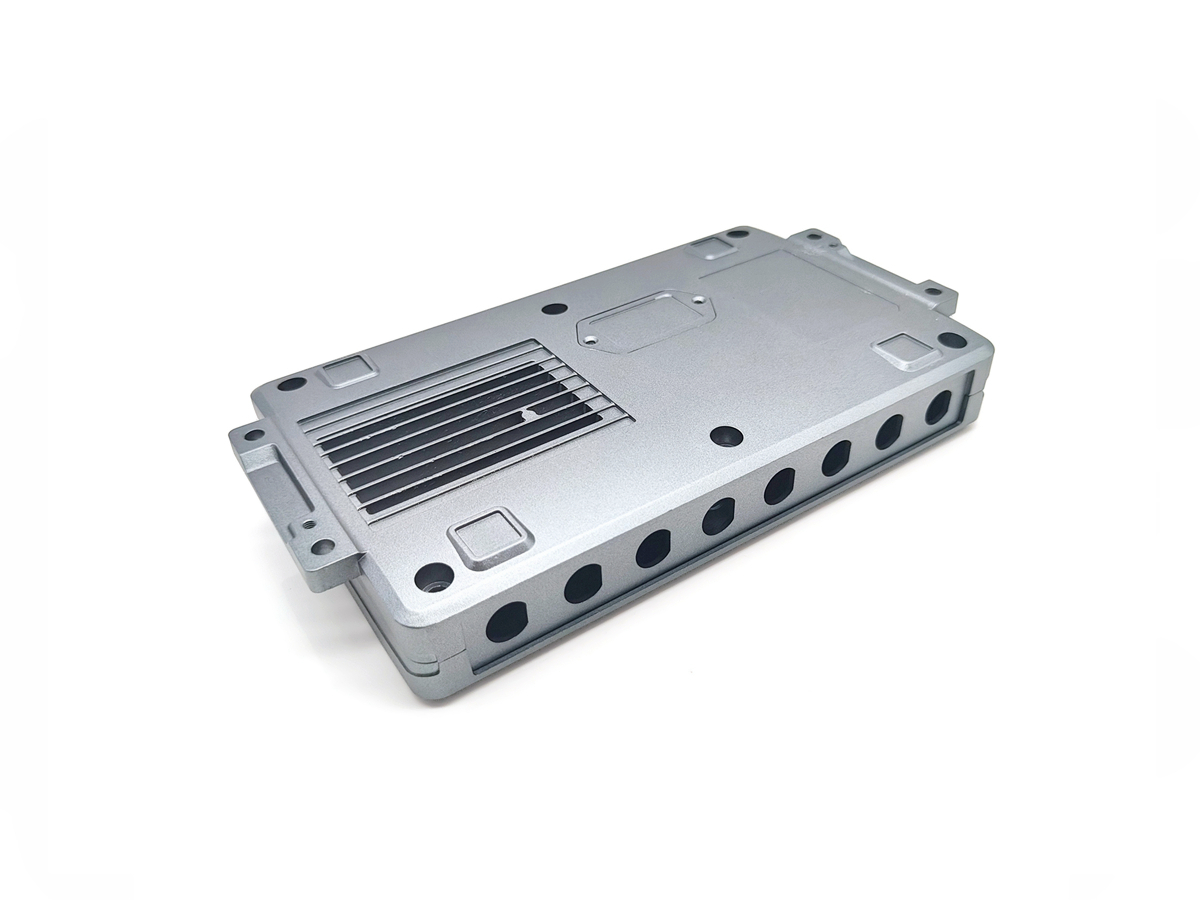
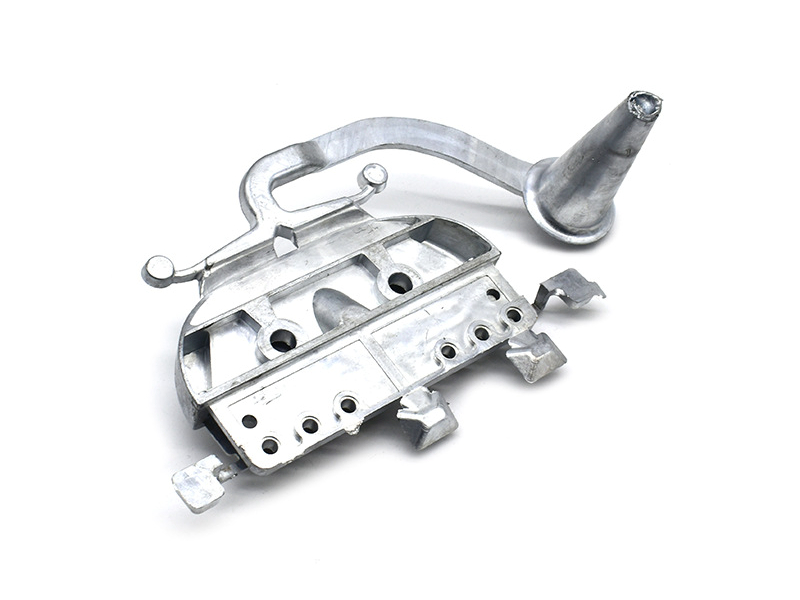
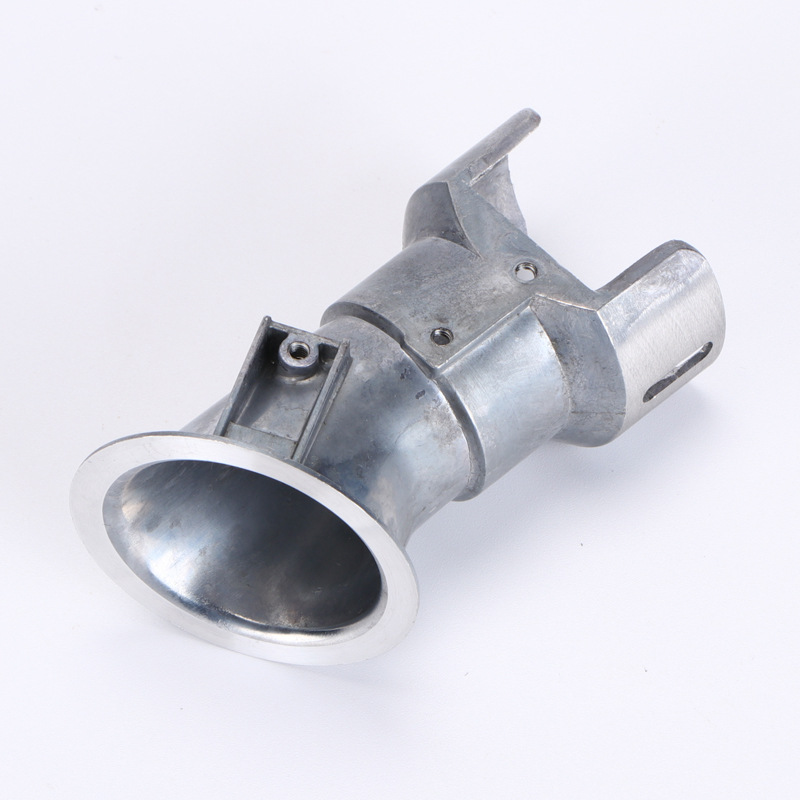
Zamak 4 is a specialized zinc-aluminum alloy designed for precision zinc die casting applications that require improved ductility and impact resistance compared to standard Zamak series alloys. As a modified form of Zamak 3 with controlled copper additions, Zamak 4 offers a unique balance between mechanical strength and formability, making it ideal for complex geometries, components subjected to shock loading, and parts requiring enhanced toughness during assembly or long-term service.
The alloy maintains excellent fluidity, consistent dimensional repeatability, and smooth as-cast surfaces, enabling efficient high-volume production using hot-chamber metal casting processes. With Neway’s advanced tool and die making engineering, optimized gating, and high-precision process control, Zamak 4 produces components with a stable structure, minimal porosity, and an outstanding cosmetic finish quality—perfect for consumer electronics, automotive systems, locking devices, and mechanical housings where reliability and durability are crucial.
Alternative Material Options
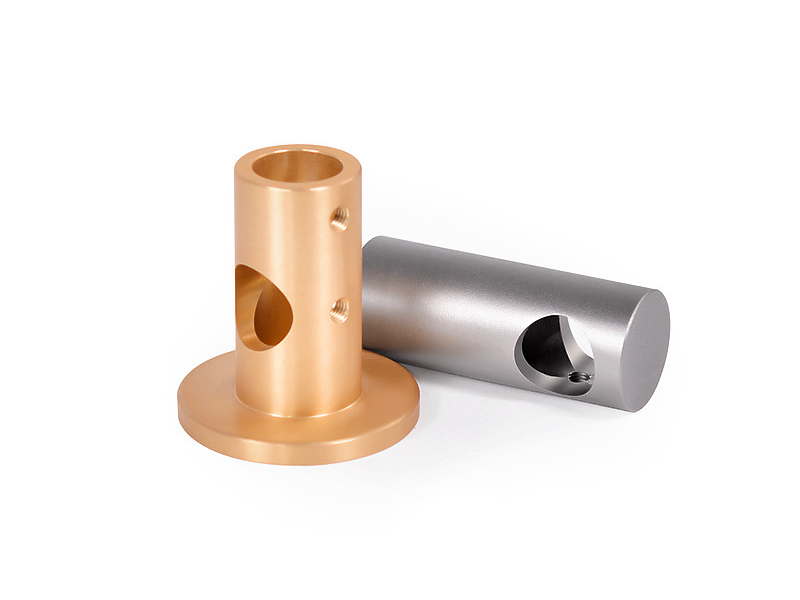
For applications requiring higher strength and hardness, Zamak 5 offers enhanced mechanical properties. When superior ductility and ultra-low impurity levels are required, Zamak 7 is ideal for micro-detailed cosmetic components. For high-load or wear-intensive conditions, high-strength alloys like ZL0430 or advanced-performance EZAC offer significantly improved creep and fatigue resistance. If weight reduction is a priority, aluminum die-casting alloys such as A380 or ADC12 are excellent substitutes. For premium aesthetics or high corrosion resistance, copper-based alloys like Brass 380 or broader copper-brass alloys may be selected.
International Equivalent / Comparable Grade
Country/Region | Equivalent / Comparable Grade | Specific Commercial Brands | Notes |
USA (ASTM) | Zamak 4 | Eastern Alloy Zamak 4, Dynacast Zamak 4 | Used for improved ductility vs. Zamak 3. |
Europe (EN) | ZnAl4 (Modified) | European ZnAl4 ductile alloys | Closest functional equivalent; regional variations common. |
China (GB/T) | ZL042 modified | ZnAl4 formulations for ductile components | Used for castings requiring impact strength. |
Japan (JIS) | No direct ADC equivalent | Custom Zn-Al ductility-enhanced alloys | No standardized JIS grade; proprietary alloys used. |
ISO | Zn-Al casting alloy (modified) | International proprietary Zn-Al alloys | Aligned with enhanced ductility zinc alloys. |
Design Purpose
Zamak 4 was engineered to provide a zinc alloy that combines the castability of Zamak 3 with improved ductility and medium-level strength. Its controlled copper content enhances toughness without significantly compromising fluidity or dimensional accuracy. The alloy is ideal for components that undergo bending, press-fitting, snap-fit assembly, vibration, or minor impact during service life. Zamak 4 reduces cracking risk, supports complex undercuts, and improves mechanical reliability for functional housings, precision mechanisms, and ergonomically loaded components. It was developed to address applications where standard Zamak cannot withstand repeated mechanical stress yet where higher-strength alloys like Zamak 5 or ZL0430 exceed cost or performance needs.
Chemical Composition
Element | Zinc (Zn) | Aluminum (Al) | Copper (Cu) | Magnesium (Mg) | Iron (Fe) | Lead (Pb) | Cadmium (Cd) | Tin (Sn) |
Composition (%) | Balance | ~4.0 | ~0.5 | 0.03–0.06 | ≤0.003 | ≤0.003 | ≤0.001 | ≤0.001 |
Physical Properties
Property | Density | Melting Range | Thermal Conductivity | Thermal Expansion |
Value | ~6.6–6.7 g/cm³ | ~381–387°C | ~105 W/m·K | ~27–29 µm/m·°C |
Mechanical Properties
Property | Tensile Strength | Yield Strength | Elongation | Hardness | Impact Strength |
Value | ~285 MPa | ~220 MPa | ~8–10% | ~90–100 HB | Higher than Zamak 3 (Charpy) |
Key Material Characteristics
Improved ductility compared with Zamak 3—ideal for snap-fit and press-fit components.
Stable casting properties with good fluidity and excellent dimensional repeatability.
Lower cracking tendency during assembly and mechanical loading.
Better impact resistance than standard Zamak alloys.
Smooth as-cast surfaces compatible with powder coating, painting, and plating.
Excellent corrosion resistance for interior and consumer product applications.
Retains good mechanical stability under vibration and shock.
Economical alternative to higher-strength alloys where moderate load-bearing is sufficient.
Supports complex geometries using multi-slider die designs.
Efficient hot-chamber processing with short cycle times.
Manufacturability And Post Process
Zinc die casting: Ideal for high-volume precision components using hot-chamber machines.
Insert molding: Compatible with steel and brass 360 inserts for improved local durability.
Post machining: Milled and drilled surfaces achieve ±0.02–0.05 mm precision.
Threading: Thread forming preferred due to improved toughness.
Tumbling: Effective for smoothing edges of small functional parts.
Painting and powder coating: Excellent adhesion and visual results.
Bead blasting: Produces uniform matte texture for consumer-facing components.
Laser marking: High-precision identification without compromising material toughness.
Suitable Surface Treatment
Powder coating: Provides durable surface protection.
Liquid painting: Suitable for decorative consumer applications.
Electroplating: Achieves premium appearance and wear resistance.
Chemical conversion coatings: Enhances corrosion performance.
Sand blasting: Prepares surface before finishing.
E-coating: Ideal for uniform corrosion resistance.
Laser engraving: Adds branding or traceability codes.
Common Industries and Applications
Consumer electronics housings and functional buttons.
Automotive interior mechanisms, knobs, and trim parts.
Locking system components requiring improved ductility.
Appliance assemblies, hinges, levers, and ergonomic hardware.
Mechanical parts for small industrial devices.
Components requiring shock resistance and repeated movement.
When to Choose This Material
When ductility is a priority: Zamak 4 provides higher elongation than Zamak 3 or 5.
For parts that must withstand assembly stress: Lower cracking risk during installation.
For impact-prone components: Suitable for mechanisms with frequent actuation or vibration.
For complex geometry designs: Maintains excellent fluidity for intricate die-cast shapes.
For cost-sensitive programs: A balanced upgrade from Zamak 3 without premium alloy cost.
For consumer-facing cosmetic parts: Excellent finishing performance, smooth surfaces.
For medium-load structural parts: Supports light-to-moderate mechanical requirements.
When long-term dimensional stability is needed: Good stability under moderate mechanical stress.
Explore Related Blogs