ZDC1
Material Introduction
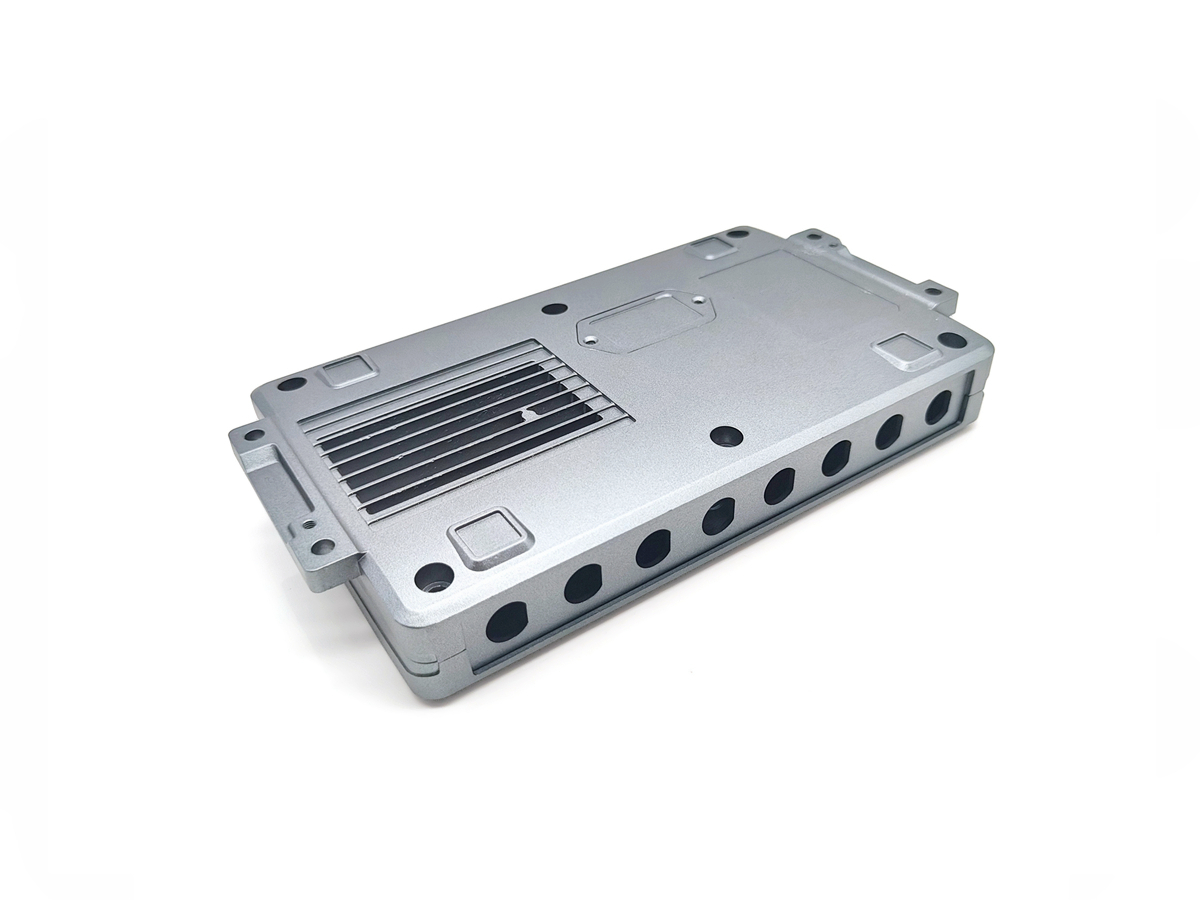
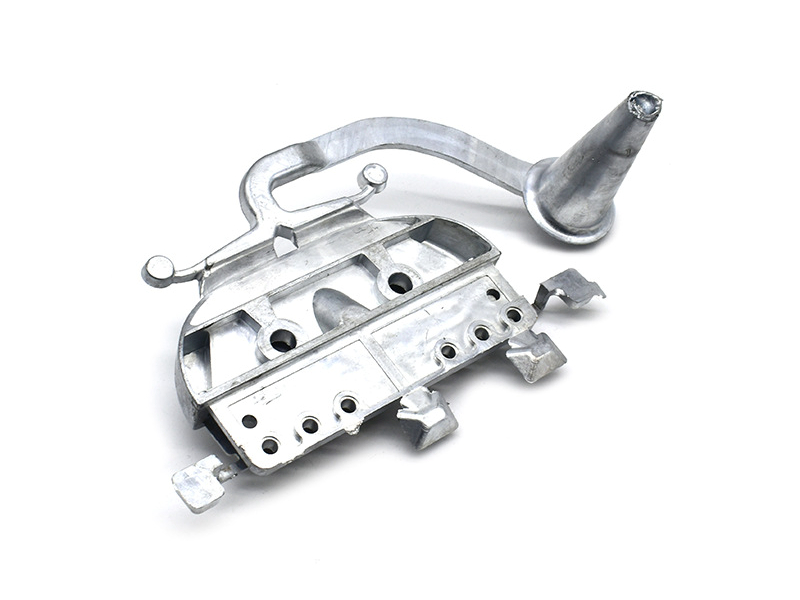
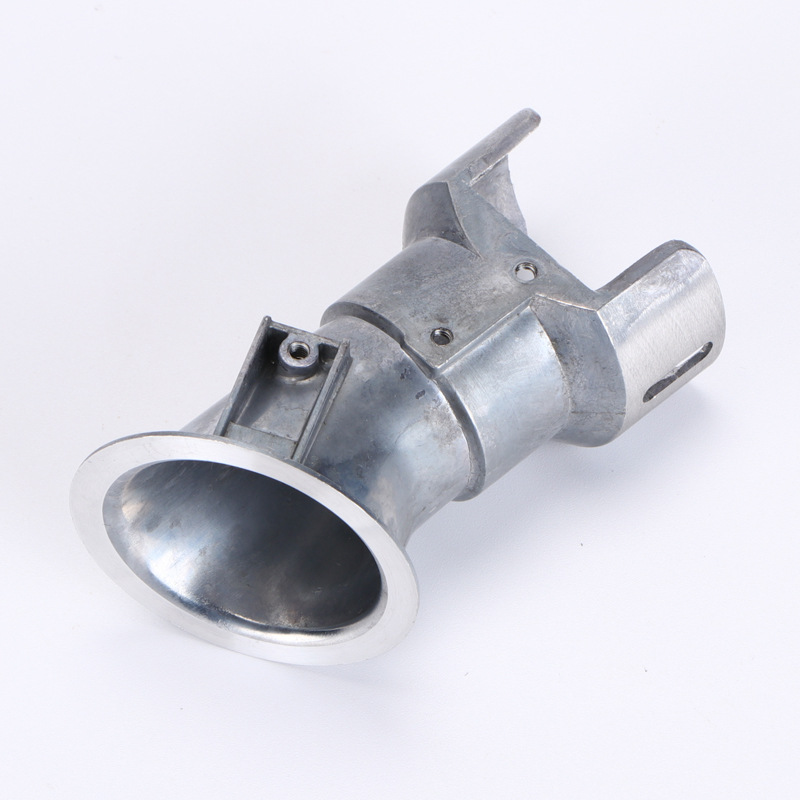
ZDC1 is a high-performance zinc alloy optimized for precision zinc die casting, delivering a strong balance of strength, hardness, and castability. As the JIS cast designation for the well-known Zamak 5 family, ZDC1 incorporates a controlled copper addition to enhance mechanical performance and creep resistance compared to standard zinc alloys. This makes it an excellent choice for structural or functional components that must withstand long-term loading, impact, or frequent mechanical actuation. With excellent fluidity and filling capability, ZDC1 supports intricate cavities, thin-wall geometries, and tight dimensional tolerances, enabling high-volume production of small to medium-sized parts. When combined with Neway’s precision tool and die-making capabilities and stable hot-chamber die-casting cells, ZDC1 consistently delivers repeatable casting quality, smooth as-cast surfaces, and robust dimensional stability, making it ideal for cosmetic hardware, locking mechanisms, power tools, and premium consumer products.
Alternative Material Options
When project requirements fall beyond the performance envelope of ZDC1, several alternative materials can be considered. For improved ductility and formability in secondary operations, Zamak 3 offers better elongation and is preferred for parts that require extensive bending, swaging, or staking. If maximum strength and fatigue resistance are critical, Zamak 2 provides higher hardness and wear resistance, especially for heavy-duty mechanical components. For very thin-wall or micro-precision features with tight filling requirements, Zamak 7 is an excellent alternative due to its superior fluidity and lower impurity levels. Where corrosion resistance, perceived luxury, and weight are key selling points, copper-based alloys such as Brass 380 or broader copper-brass alloys deliver outstanding decorative and tactile performance. For lightweight structures or thermally demanding housings, aluminum die-cast alloys like A380 and A383/ADC12 can be selected, especially when integration with existing metal casting platforms is required.
International Equivalent / Comparable Grade
Country/Region | Equivalent / Comparable Grade | Specific Commercial / Standard Names | Notes |
Japan (JIS H 5301) | ZDC1 | Standard Japanese zinc die casting alloy | Cast designation used widely in Japanese specifications. |
USA (ASTM B86/B240) | Alloy 5 / Zamak 5 | AC41A, Alloy 5, ZnAl4Cu1 | Copper-modified zinc alloy with higher strength and creep resistance. |
Europe (EN 1774 / EN 12844) | ZL0410 / ZP0410 | ZnAl4Cu1, Alloy 5 | Ingot and cast designations for Zamak 5-equivalent zinc alloy. |
China (GB) | ZL5 | ZL5 ZnAl4Cu1 | Chinese ingot grade generally aligned with Alloy 5/ZDC1 chemistry. |
Germany (DIN) | Z410 | ZnAl4Cu1 | German designation for Zamak 5-type zinc die casting alloy. |
International (ISO) | ZnAl4Cu1 | Generic Zn–4Al–1Cu zinc casting alloy | Internationally recognized composition family for ZDC1-type alloys. |
UK (BS) | Alloy B | BS 1004 Alloy B | Functionally equivalent to Alloy 5/ZDC1 for die castings. |
Design Purpose
ZDC1 was developed to satisfy applications where conventional zinc alloys such as Zamak 3 no longer provide sufficient strength, hardness, or creep resistance. By adding approximately 1% copper to the Zn–Al–Mg matrix, ZDC1 delivers improved mechanical robustness and better performance under sustained mechanical loads or elevated service temperatures. The alloy is intended for hot-chamber zinc die casting, where fast cycle times, long tool life, and reliable filling of complex molds are critical. Its purpose is to bridge the gap between highly ductile but lower-strength zinc alloys and more expensive copper or aluminum alloys, enabling the production of compact, high-precision components with high functional reliability, excellent surface finishing options, and competitive per-part costs.
Chemical Composition
Element | Zinc (Zn) | Aluminum (Al) | Copper (Cu) | Magnesium (Mg) | Iron (Fe) | Lead/Cadmium/Tin |
Composition (%) | Balance | 3.8–4.3 | 0.75–1.25 | 0.03–0.06 | ≤0.075 | Trace (typically <0.003 each) |
Physical Properties
Property | Density | Melting / Solidification Range | Thermal Conductivity | Electrical Conductivity | Thermal Expansion |
Value | ~6.6 g/cm³ | ~380–386°C | ~108–112 W/m·K | ~26–27% IACS | ~27–28 µm/m·°C |
Mechanical Properties
Property | Tensile Strength (UTS) | Yield Strength (0.2% offset) | Elongation | Hardness | Impact Strength |
Value | ~320–330 MPa | ~230–270 MPa | ~3–7% | ~90–92 HB | ~60–65 J |
Key Material Characteristics
Enhanced strength and hardness compared with standard zinc alloys such as Zamak 3, supporting more demanding structural and load-bearing applications.
Excellent castability in hot-chamber zinc die casting, including multi-slide, complex gating, and thin-wall components.
Improved creep resistance for parts subjected to continuous stress, temperature cycling, or long-term dimensional requirements.
Excellent impact strength and toughness, making it suitable for components exposed to shock loading, repeated actuation, or mechanical vibration.
High-quality as-cast surface finish reduces the need for heavy post machining and simplifies cosmetic finishing.
Compatible with a wide range of decorative and protective finishes offered in Neway’s post process for die castings, including painting, powder coating, and plating.
Stable dimensional repeatability over large production volumes, supporting tight tolerance chains in assemblies and mechanisms.
A lower melting point compared to aluminum alloys reduces energy consumption and allows for shorter cycle times in series production.
Good corrosion resistance in indoor and mildly corrosive environments; performance can be further enhanced with coatings or conversion layers.
Excellent suitability for small, intricate parts, including precision locking components, electronic hardware, and decorative fittings.
Manufacturability And Post Process
Zinc die casting: ZDC1 is primarily processed in hot-chamber die casting machines, delivering high productivity, long tool life, and stable shot-to-shot consistency for complex parts.
Precision tooling: Optimized parting lines, thermal balance, and venting in Neway’s tool and die systems help minimize porosity, soldering, and surface defects while maintaining tight dimensional control.
Insert casting: ZDC1 readily encapsulates steel, brass, or stainless steel inserts, enabling the integration of bosses, threaded features, and multi-material assemblies without requiring secondary joining operations.
Secondary post-machining: Milling, drilling, reaming, and facing can achieve tolerances of ±0.02–0.05 mm on critical features, making them ideal for precision mechanisms and sealing interfaces.
Drilling and tapping: ZDC1 offers reliable chip formation and stable torque behavior in thread cutting, making it suitable for screw joints and precision fastener interfaces.
Deburring and tumbling: Vibratory and barrel finishing effectively remove burrs, soften edges, and prepare surfaces for painting or plating.
Prototype to production: ZDC1 castings can be validated quickly using rapid prototyping and then transferred to full hot-chamber tooling, shortening development cycles.
Assembly integration: Dimensional stability and good screw-retention performance make ZDC1 suitable for in-house assembling of multi-part modules, reducing external handling and logistics steps.
Suitable Surface Treatment
Powder coating: Provides durable, chip-resistant finishes with excellent coverage on complex geometries, widely used for consumer and industrial hardware.
Liquid painting: Offers fine color control and gloss options for decorative components, front-panel hardware, and visible housings.
Sand blasting: Creates uniform matte textures and hides minor surface imperfections before painting or powder coating.
Tumbling: Smooths sharp edges and improves the hand feel of tactile components, such as knobs, levers, and locking parts.
Electroplating (nickel, chrome, or multi-layer decorative systems): Commonly applied to ZDC1 for a premium appearance, improved wear resistance, and enhanced corrosion performance.
Chemical conversion coatings, such as chromate or trivalent passivation layers, provide thin, conductive, and corrosion-resistant surfaces that are suitable as a base for additional finishes.
E-coating: Delivers uniform film thickness and deep penetration into recessed features, often used for mechanical parts requiring functional corrosion protection.
Laser marking: Enables durable, high-contrast branding, QR codes, and traceability marks on coated or uncoated surfaces with minimal heat-affected zones.
Common Industries and Applications
Locking systems and access hardware, including cylinders, latches, and accessories similar to the Dirak lock system casting supply projects.
Power tool components, housings, and accessory parts, as reflected in Neway’s Bosch power tools hardware and assembling collaborations.
Consumer electronics and peripheral hardware, including hinges and small mechanisms, such as the Apple earphone hinge die casting project.
Luxury consumer goods such as perfume caps and decorative fittings, similar to the Chanel perfume bottle cap Zamak casting programs.
Automotive interior and small structural components, where compact packaging, precision, and good finish are all required.
Electrical and electronic hardware, terminal blocks, and switch components that benefit from stable dimensions and good plating performance.
When to Choose This Material
When you require higher strength, hardness, and creep resistance than Zamak 3 can offer, but still want the processing advantages of zinc die casting.
When parts must withstand continuous loads, vibration, or long-term stress without excessive deformation or loss of dimensional accuracy.
When producing complex, small, or thin-wall components with high repeatability and minimal porosity, hot-chamber metal casting equipment is utilized.
When cosmetic quality and finishing flexibility are critical, and you plan to apply plating, painting, or powder coating to enhance the perceived value of your product.
When component size and weight do not justify a transition to aluminum, but you still need strong, durable, and dimensionally stable parts.
When you want to integrate inserts, threads, and functional details directly into the casting to reduce secondary assembly operations and simplify supply chains.
When cost, cycle time, and tool life must be optimized simultaneously, leveraging the efficiency of zinc die casting with a high-performance alloy is essential.
When your design roadmap includes multiple surface-finished variants sharing the same base hardware, requiring one robust and finish-friendly alloy platform.
Explore Related Blogs