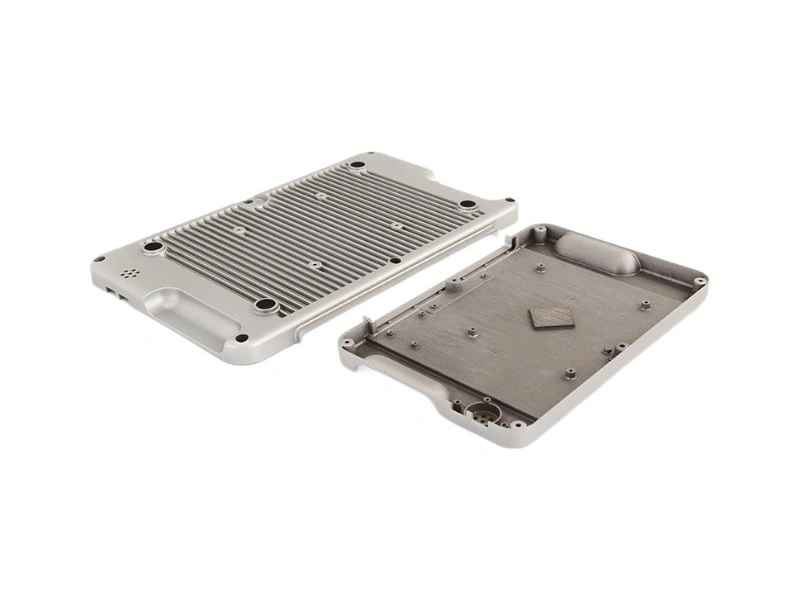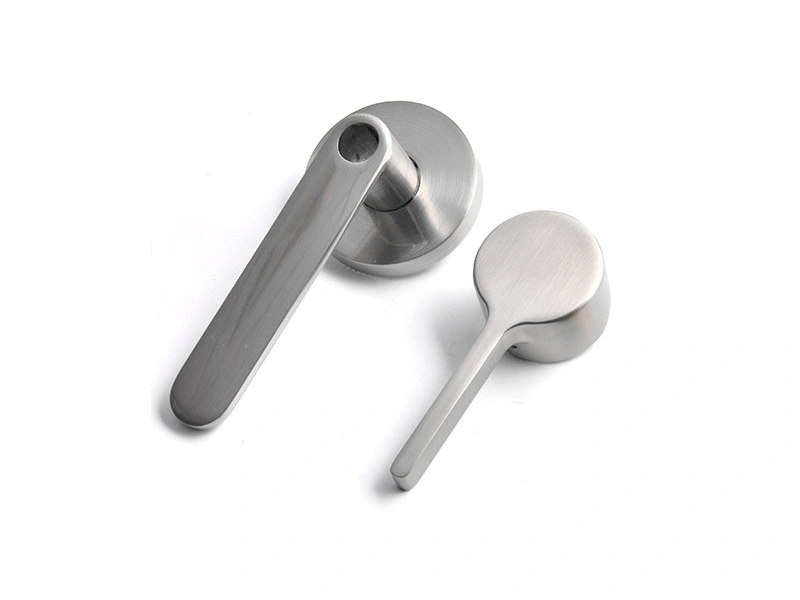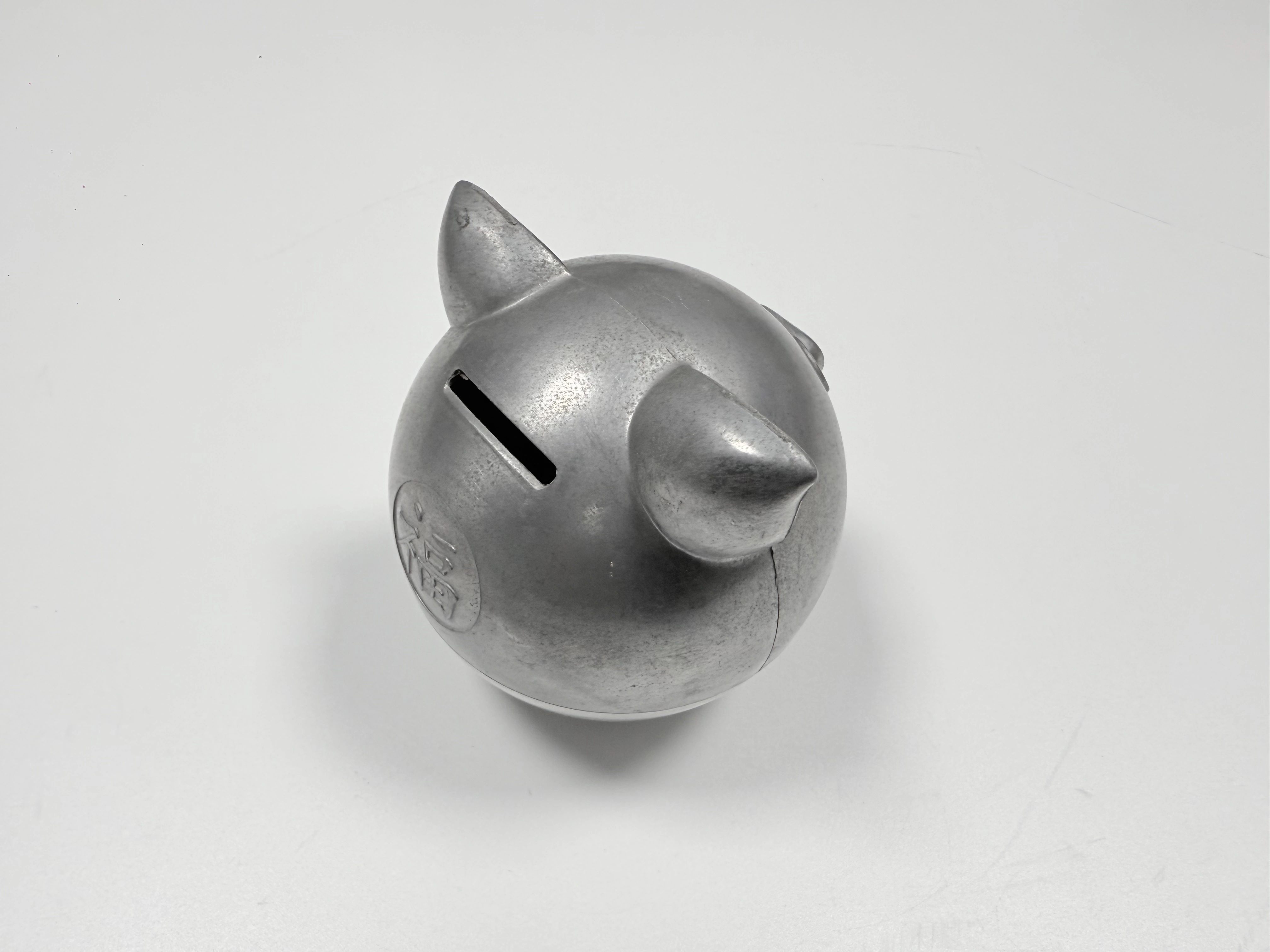
Does Copper-Nickel-Chrome Plating Blister on Zamak?
Yes, Cu/Ni/Cr blisters on Zamak when acid stays in casting porosity; the plating line reveals the defect rather than causing it. Three layers, 18–27 µm in total, sit on a zinc surface that must be sound before the first rack, so the fix belongs to the die and the shot.
Which three layers sit on a porous zinc surface?
A Zamak 5 case takes copper 8–12 µm, nickel 10–15 µm and chrome 0.1–0.3 µm, 18–27 µm in total. Each layer is a separate bath and a separate rack, and each one adds a chance for a defect to start at the zinc.
Copper carries adhesion, nickel carries corrosion resistance and colour, chrome carries wear and gloss. Drop the nickel and salt spray falls from 240 h to a fail, so the cheaper case is not the same product.
Three layers mean three passes through a line and three chances to reject. Plating is quoted by layer count and rack density, not by part weight. The copper layer also covers what the zinc surface looked like, which is why a blister can travel two baths before it shows.
Where does a blister start, in the casting or the plating bath?
In the casting. A blister is a bubble under the plating, and it grows where the zinc surface holds something that outgasses or dissolves later, most often acid left in porosity, the small voids in the casting skin.
Degreasing and activation clean the surface but do not empty a pore. The bath fills it, the acid stays, and the blister appears after plating, sometimes after a day in a warehouse. Racking does not change that: the part hangs, the bath wets it, and the pore takes solution either way.
That timing decides who pays. A blister found after delivery is argued as a plating fault, while the evidence sits in the pore, and pore control belongs to casting.
Which three tests must a plated Zamak case pass?
Thermal shock to ASTM B571 at 200 °C for 1 h with no blister, and salt spray to ASTM B117 for 240 h with no base metal corrosion. The third test is CASS, the copper-accelerated salt spray, to ASTM B368 for 48 h at grade 9 or better.
The three answer different questions. Thermal shock finds adhesion failures and trapped solution, salt spray finds porosity that reached the surface, and CASS compresses both into two days.
Each test is a line in the quotation and a slot in the schedule. A quote that includes salt spray and leaves out thermal shock has not priced the test that finds this defect.
Why does porosity control belong to the four-cavity die?
The die and the zinc die casting shot window decide where the last metal freezes and where gas can leave. This tool runs four cavities in 8407 inserts, gates the lug thick wall at 12 and 6 o'clock, and puts overflow at 3 o'clock on both sides of the crown notch.
Melt runs at 400–420 °C and the die at 150–180 °C. Intensification at 20–30 MPa over a 25–35 s cycle guards the skin density, the question of whether a pore reaches the surface. A colder shot traps gas before the cavity is full, and no plating schedule recovers that.
The die and the shot window are paid once; a blister is paid per part.
Which four items must be agreed before plating a Zamak case?
Layer system with thickness per layer, the three tests with acceptance, masking, and the pre-plate or post-plate dimension call. Those four set the price and who pays for rework. Masking means the faces that stay bare, and it is a drawing call, not a racking decision.
Masking is the item most often left open. Contacts and threads that must stay conductive cannot be plated, and a rack that ignores them sends the part back for stripping, a second pass through the whole line.
Agreeing the four before the order turns plating into a fixed line in the quote. Leaving them open turns it into a variable, and variables are priced high.
Item | Target | Allowed band | Gauge |
|---|---|---|---|
Copper | 10 µm | 8–12 µm | X-ray |
Nickel | 12.5 µm | 10–15 µm | X-ray |
Chrome layer | 0.2 µm | 0.1–0.3 µm | X-ray |
Adhesion | No blister | 200 °C × 1 h, ASTM B571 | Thermal shock |
Salt spray | No base corrosion | 240 h, ASTM B117 | Salt spray chamber |
CASS | Grade 9 or better | 48 h, ASTM B368 | Salt spray chamber |
Send the layer system, the masking list and the three test clauses with the RFQ.