What Is Zinc Alloy Die Casting and When Should Buyers Use It?
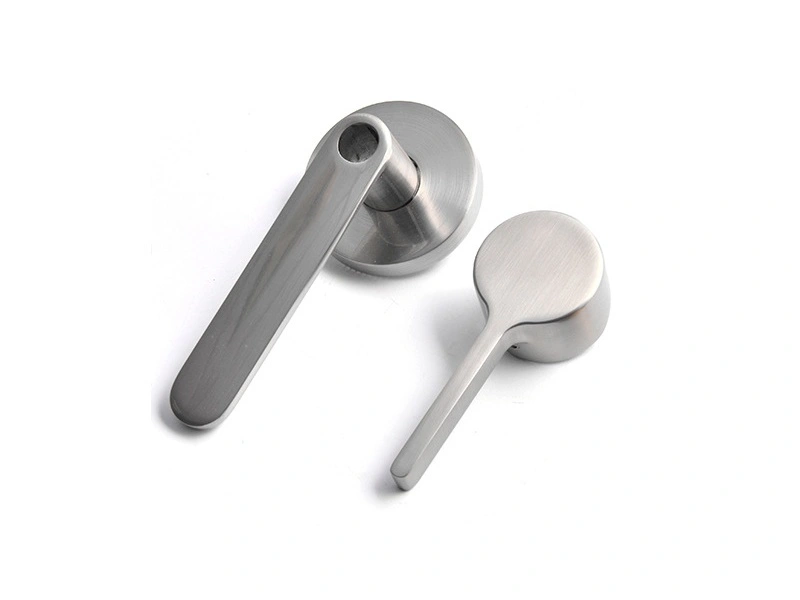
Zinc alloy die casting injects molten zinc-based alloy into a reusable steel die, commonly with a hot-chamber machine, then ejects and trims the solid shot. Buyers should use it when a stable, repeat-demand part benefits from compact near-net geometry, fine cast detail, controlled assembly features or a decorative plated or coated surface. Hardware, connector bodies, lock components and small mechanisms are possible candidates because of their features, not simply their industry.
The process is not automatically right for every precise metal part. Zinc is denser than aluminum, and sustained stress at elevated temperature can raise creep concerns. Frequently changing designs may not justify tooling. A reflective finish can expose casting and polishing defects rather than hide them. Suitability requires a defined alloy, tool, service condition and acceptance plan for the proposed zinc die-casting route.
How the process works
In hot-chamber zinc die casting, the injection system operates in the molten metal and transfers a measured shot through the nozzle, runner and gate into the closed die. The cavity fills, pressure acts during early solidification, and the tool removes heat. The die then opens, ejectors release the casting with its feed system, and trimming removes gates, runners, overflows and flash.
Die temperature, fill path, vents, shot response and cycle interruptions can affect cold shuts, flow marks, gas porosity, flash and dimensions. Tool revision, cavity, machine, alloy lot and downstream operations should remain traceable during trials. A selected good casting does not establish a repeatable window across every cavity.
Use zinc when detail creates value
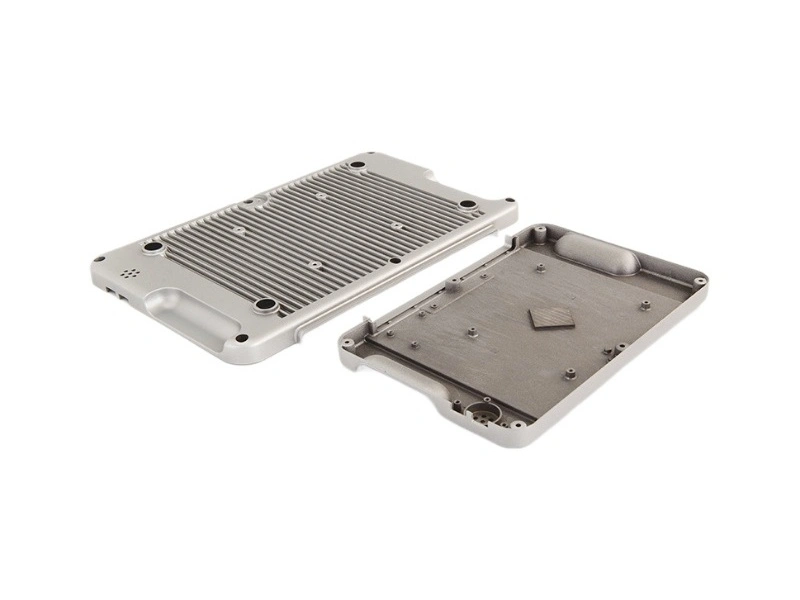
Strong candidates have a practical parting line, release draft, ejector support and a short, balanced fill path. Ribs, bosses, decorative texture and compact mounting details may be formed with little later cutting. Zinc is especially useful when replacing billet machining or several assembled pieces with one repeatable casting.
There is no universal minimum wall or smallest feature. A detail near the gate is easier to fill than the same detail beyond a long divided path. Alloy, feature aspect ratio, die temperature and venting alter feasibility. Require DFM that marks gates, overflows, ejectors, slides and high-risk fill locations. The zinc design guide supports this review.
Project condition | Route indication | Evidence before commitment |
|---|---|---|
Compact detail with repeated demand | Often a strong zinc die-casting fit | DFM, demand scenarios and cavity-specific trials |
Decorative plated surface | Suitable only with controlled substrate and finish | Representative finished samples and visual limits |
Functional moving interface | As-cast or locally machined depending on tolerance | Datum measurement and final assembly test |
Sustained load near heat | Conditional or unsuitable | Defined load-temperature-duration validation |
Large weight-sensitive housing | Often favors a lower-density material | Mass, thermal, structural and total-cost comparison |
Frequent design changes | Often favors CNC or another flexible route | Revision forecast and tool-change exposure |
Define the material and service boundary
Zamak 3, 5, 7 and 2, plus ZA alloys such as ZA-8, serve different mechanical, flow, dimensional and finishing needs. The drawing should name the grade and governing specification rather than permit unspecified zinc alloy. Chemistry and high-purity controls matter because harmful impurity levels can reduce long-term corrosion resistance.
Room-temperature strength data cannot alone qualify a continuously loaded latch or bracket. State peak and sustained loads, service temperature, life, chemical exposure and wear. Test representative finished parts when creep, thread retention, coating or movement governs acceptance. A general alloy certificate confirms chemistry; it does not prove the product's function.
Include finishing and aging in the route
Zinc parts may be tumbled, polished, plated, painted or powder coated, but the finish depends on substrate quality and preparation. Pits, cold shuts, parting mismatch and polishing damage can telegraph through a reflective plate. Define visible zones, allowed witness marks, preparation, coating stack, mask areas, viewing conditions and corrosion or adhesion tests before tooling.
Inspection timing also matters. Zinc castings can undergo dimensional change after casting, while machining and coating alter interfaces. Mark whether a dimension is checked after a stated aging period, after finish or in final assembly. This avoids approving fresh bare samples against requirements intended for shipped parts.
Recognize when another route is better
A large thin enclosure may be technically castable yet too heavy for a portable product. A very low or uncertain demand may not recover tool and qualification cost. Deep inaccessible passages, pervasive undercuts or a design that machines almost every face can remove the near-net advantage. These are signals to compare aluminum casting, CNC machining, stamping, molding or another process on the actual product requirements.
Do not use a decorative finish as the reason to select zinc before reviewing service. Continuous heat, aggressive chemicals or a highly loaded long-life feature may require another material or a changed design. A route comparison should document mass, service limits, tool commitment, downstream work and the tests each candidate needs.
What buyers should provide
Send controlled 3D and 2D files, zinc grade, demand range, batch pattern, functional datums, machined features, visible surfaces, finish system, service loads, temperature, environment and assembly requirements. State the inspection and functional tests with conditioning and acceptance criteria. Ask the supplier to return its process, machine, cavity, tool-action, finishing and validation assumptions.
Also identify design maturity and likely revisions. Ask whether zinc is processed by the proposed hot-chamber or another compatible route, which operations are subcontracted, and who owns defects found after polishing or plating. Those answers determine whether the quotation represents a controlled finished part or only a casting that still carries unresolved interfaces.
Choose zinc alloy die casting when this review shows real near-net value and the supplier can validate the finished route. Trial evidence applies only to the identified tool revision, cavity, machine, alloy and downstream process. Changes to those conditions need risk review rather than automatic extension of the original approval.