What Manufacturing Controls Matter Most for Zinc Die Cast Parts?
What Manufacturing Controls Matter Most for Zinc Die Cast Parts?
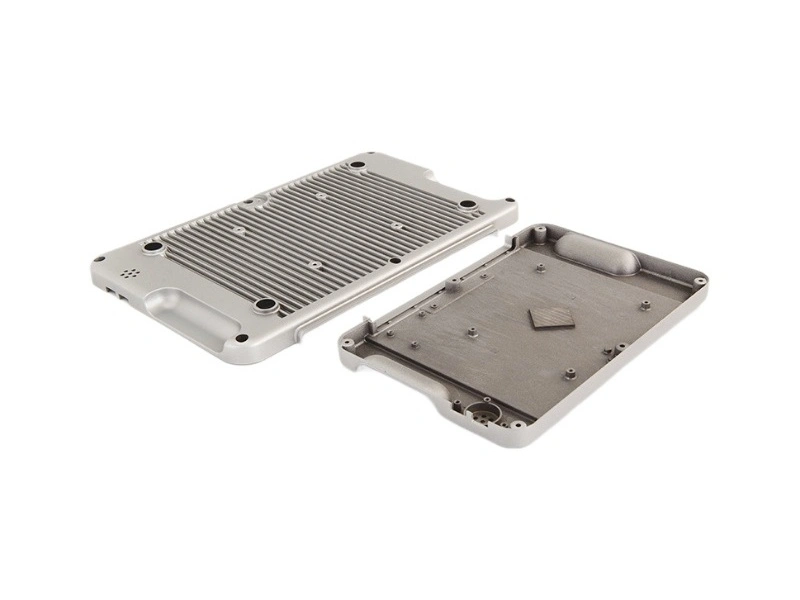
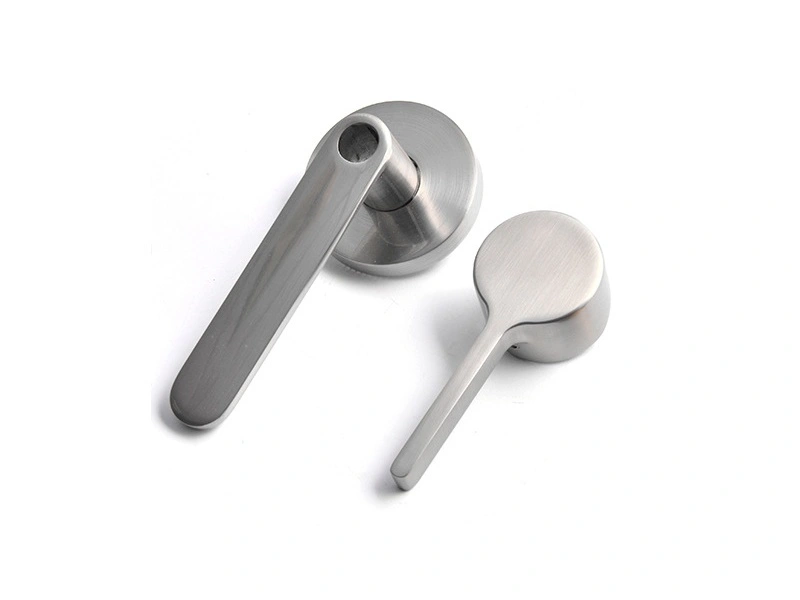
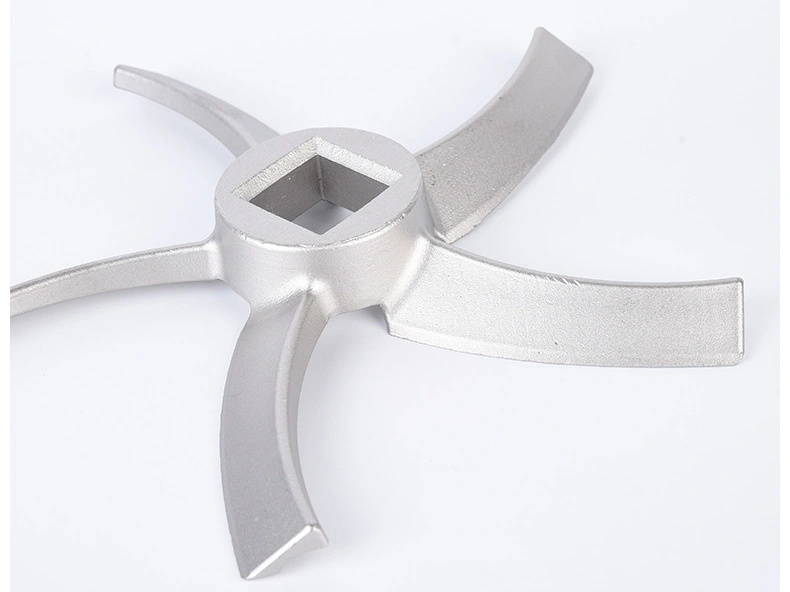
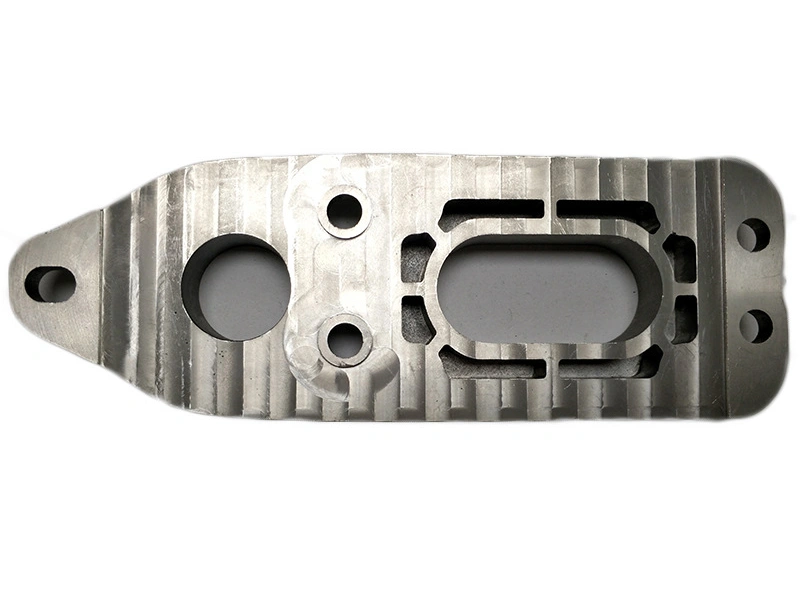
The most important manufacturing controls for zinc die cast parts manufacturing include material consistency, mold temperature control, filling stability, flash and burr control, trimming process, deburring standard, cosmetic surface control, CNC machining inspection, plating or coating readiness and batch inspection process.
The quality stability of zinc die cast parts does not come from one approved sample only. A reliable zinc die casting manufacturer should continuously control zinc die casting tooling, casting, deburring, CNC machining for zinc die cast parts, surface finishing and inspection during repeat production.
1. Control Material, Mold Temperature and Filling
Manufacturing Control | Why It Matters | Buyer Benefit |
|---|---|---|
Material consistency | Stable zinc alloy quality supports repeatable strength, flow and surface results | Reduces batch variation and unexpected defects |
Mold temperature control | Controls filling quality, dimensional stability and surface consistency | Improves repeat production stability |
Filling stability | Helps small features, thin areas and detailed surfaces form consistently | Reduces short filling and unstable details |
2. Control Flash, Burrs, Trimming and Deburring
Flash and burr control is especially important for small zinc die cast parts because burrs may affect assembly, appearance, coating quality and customer acceptance. The manufacturer should define trimming and deburring standards before batch production.
Control Area | What Manufacturer Should Control | Risk Reduced |
|---|---|---|
Flash level | Parting lines, edges, gate areas and small features | Assembly interference and cosmetic rejection |
Trimming process | Gate removal marks, trimming consistency and edge condition | Visible defects and extra polishing work |
Deburring standard | Allowed burr level on holes, edges, threads and mating areas | Handling risk, coating defects and fit problems |
3. Control Cosmetic Surfaces, Machining and Finishing
Many zinc die cast parts require decorative surfaces, plating, coating or local machining. These requirements should be managed as part of one production process, not treated as separate afterthoughts.
Production Control | Why Buyers Should Check It | Commercial Value |
|---|---|---|
Cosmetic surface control | Controls visible marks, parting lines, ejector marks, scratches and surface consistency | Improves appearance approval rate |
CNC machining inspection | Checks machined holes, threads, datums and assembly features | Improves fit and functional reliability |
Plating or coating readiness | Controls surface preparation, burrs, masking, cleaning and defect standards | Reduces finishing rejection and rework |
4. Compare Batch Control Across Material Routes
A manufacturer with custom metal casting production capability can also help buyers compare zinc parts with aluminum die casting manufacturer options for lightweight parts and copper die casting manufacturer options for conductive or functional parts.
5. Summary
Manufacturing Control | Main Purpose |
|---|---|
Material, mold temperature and filling control | Improve casting stability and small detail repeatability |
Flash, trimming and deburring control | Reduce assembly interference and appearance rejection |
Cosmetic surface control | Maintain visible surface consistency for finished parts |
CNC machining inspection | Control holes, threads, datums and assembly features |
Batch inspection process | Support repeatable zinc die cast parts batch quality |
In summary, zinc die cast parts require complete manufacturing control from tooling and casting to deburring, machining, finishing and inspection. Buyers should evaluate whether the manufacturer can repeatedly control batch quality, not only whether one sample looks acceptable.