Which Zamak alloy is best for cosmetic electronic casings?
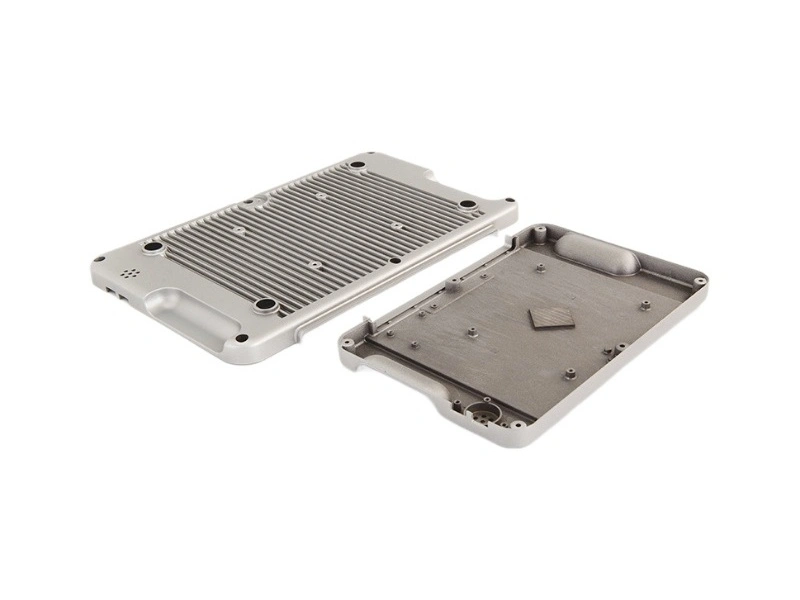
Zamak 3 is usually the first alloy to screen for a cosmetic electronic casing because it offers a well-established balance of castability, dimensional behavior and finishing response. Zamak 7 may deserve comparison when fine detail or a difficult thin-flow region drives the design, while Zamak 5 may fit a casing that also carries loaded lugs, bosses, threads or wear features. None is automatically the “best cosmetic alloy.” Final appearance depends at least as much on metal cleanliness, die layout, casting conditions, part geometry, polishing, plating or coating and handling.
Define what cosmetic means for this casing
Mark visible A-surfaces, secondary edges and hidden faces on the CAD model. State viewing distance, angle, lighting, color, gloss, texture direction and permitted pits, flow witness, parting witness, rack marks or polishing variation. A mirror-plated camera ring and a textured painted speaker body have different substrate requirements even if both are called cosmetic.
Include the component role. An exterior shell may support display glass, buttons, ports and ground springs. A bezel may need crisp edges and color match but carry little load. A weighted control base can benefit from zinc density, while a wearable casing may reject it on mass. Alloy selection starts after these product decisions are visible.
Use Zamak 3 as the balanced reference
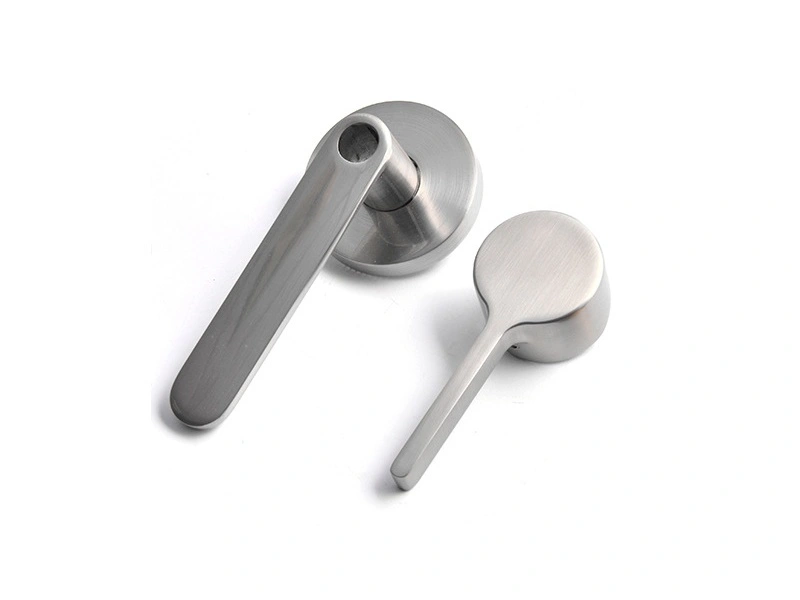
Zamak 3 is a practical reference for many housings, knobs, trim parts and bezels. It has an established die-casting and finishing supply base, and it can support qualified plating, paint or powder routes when alloy chemistry and surface preparation are controlled. Review Zamak 3 information against the exact material standard and supplied condition rather than transferring a property from an unrelated specimen.
Choosing the baseline does not guarantee an A-surface. Cold laps, flow joins, trapped gas, release residue, trim damage and subsurface pores can become more visible after polishing or high-gloss finishing. Gate, vent, overflow, parting and ejector positions must be reviewed against the marked surface zones before tool release.
Compare Zamak 7 when flow and detail drive risk
Zamak 7 modifies the Zamak 3 family for improved fluidity and may be useful for compact thin regions, fine lettering, narrow decorative features or flow paths divided by display and port openings. That makes it a candidate, not a cosmetic guarantee. A well-designed Zamak 3 tool may produce a better finished surface than a poorly gated Zamak 7 tool.
Check whether the flow benefit remains after ejection, trimming and finishing. A thin edge can fill but distort, dent in handling or lose definition during polishing. Plating or paint build can close fine gaps and soften engraved detail. Trial the production geometry and final finish rather than approving from raw cast appearance.
Compare Zamak 5 where the casing carries load or wear
Zamak 5 may enter the study when the cosmetic part also contains hinge lugs, stand pivots, repeated screw joints, detents, loaded clips or wear surfaces. Its chemistry changes the mechanical and aging trade space. The buyer should compare feature-level load, ductility, dimensional stability, corrosion and finish compatibility instead of choosing it from a headline strength value.
Do not use a stronger alloy to rescue a sharp lug root, insufficient thread engagement, a heavy boss behind an A-surface or uncontrolled installation torque. Improve load path and geometry first. Validate the finished feature after device assembly and relevant use or environmental cycles.
Compare grades with finished-part evidence
Dominant casing need | Grade screen | Evidence that decides |
|---|---|---|
Balanced visible housing or trim | Start with Zamak 3 | Finished A-surface, color/texture, gaps, wear, corrosion and handling yield |
Fine detail or difficult thin flow | Compare Zamak 3 and 7 | Cavity trials, flow witness, ejection, distortion and finish build on detail |
Loaded lug, boss, thread or wear feature | Compare Zamak 3 and 5 | Feature load and wear after aging, finish and assembly torque |
Mass-sensitive wearable or handheld shell | Compare zinc with other architectures | Whole-device mass, balance, stiffness, RF, finish and cost |
A documented guide to choosing a Zamak alloy can organize this screen. The release record should state which feature drove the grade, which alternative was rejected and which test closes each remaining risk.
Qualify the alloy and finish as one process chain
Use production-intent metal source, die cavity, release practice, trimming, machining, polishing, cleaning, underlayers, topcoat, rack and cure. Inspect high and low current-density regions, recessed logos, edges, gates, parting lines and machined pores. Flat plaques are useful for color development but do not represent the finished casing geometry.
Control alloy identity, impurities, mixed-metal contamination and internal returns. Trace cavity through finishing and final visual inspection. If alloy source, melt practice, die condition, polishing media, activation or finish chemistry changes, reassess the affected appearance, dimensions, adhesion, corrosion and device interfaces.
Release the grade against the complete device
The RFQ should state casing role, mass limit, A/B surface zones, viewing standard, defect limits, color/gloss/texture, graphics, geometry, loads, ports, antenna and ground regions, thermal interfaces, finish stack, environment, handling, inspection, packaging and change rules. Ask the supplier to return grade and chemistry, DFM, surface-witness plan, finish preparation, limit samples, validation and exceptions.
The best Zamak alloy is the one whose controlled casting and finish meet appearance, assembly, load, RF, thermal and durability requirements at production yield. For many cosmetic casings that begins with Zamak 3. The answer changes only when the actual feature, process and finished-device evidence justify another grade or another material.