Benefits of Zinc-Zamak Die Castings: Cost, Tolerance, Geometries, Durability
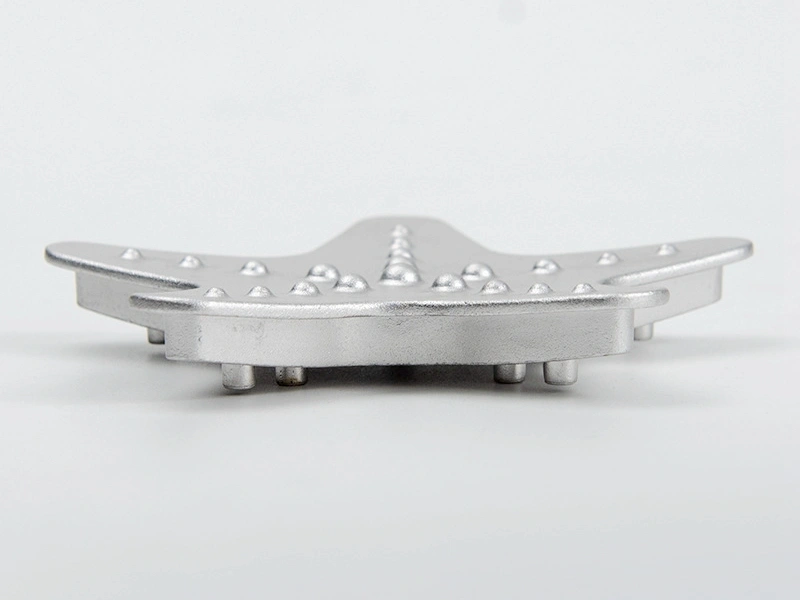
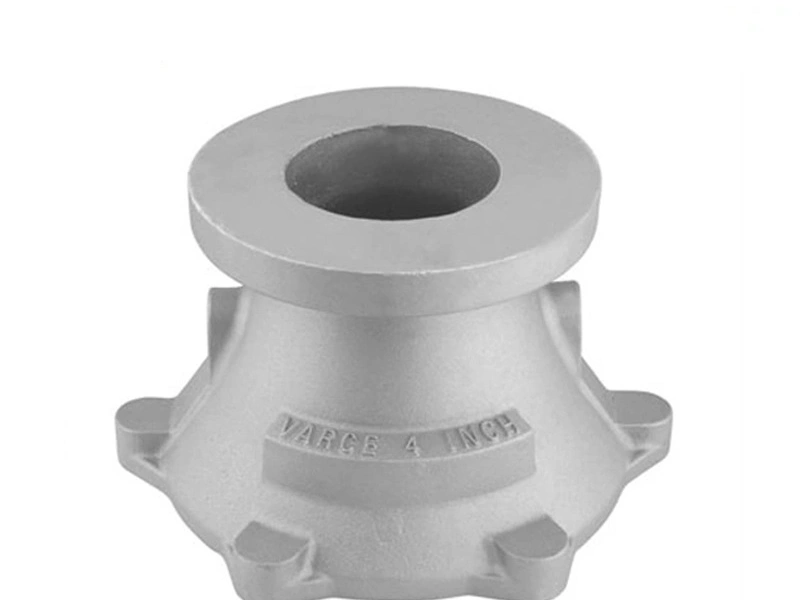
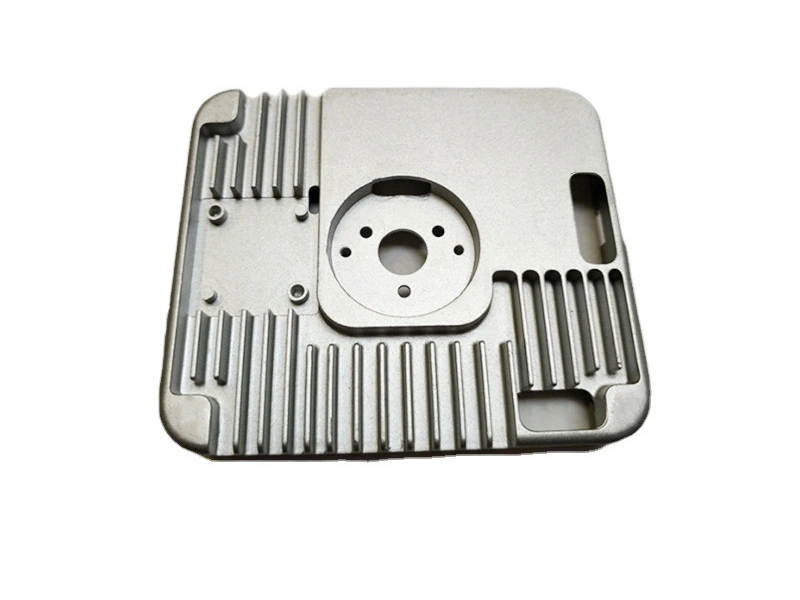
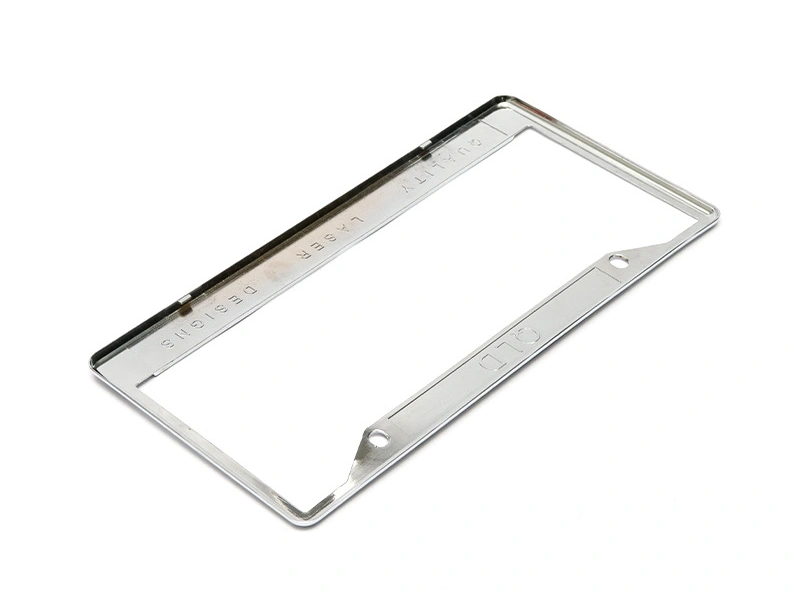
Zinc-Zamak die casting can lower the delivered cost of a compact metal component, hold detailed as-cast features, combine several functions in one shape and provide durable service. Those benefits are real only when the alloy, wall layout, die concept, finish and inspection plan fit the application. Zinc is not automatically the least expensive metal, every feature is not produced to one tolerance, and an uncoated casting is not automatically suitable for every outdoor environment.
The useful buying question is therefore not, "What are the generic benefits of Zamak?" It is, "Which benefits survive in this drawing, annual volume and service condition, and how will the supplier demonstrate them?" A sound comparison uses the complete finished component rather than raw metal price or an ideal sample. Buyers evaluating a project can use the framework below alongside a supplier's zinc die casting proposal.
Match each benefit to evidence
Claimed benefit | Conditions that create it | Evidence to request | Common reason it disappears |
|---|---|---|---|
Lower delivered cost | Suitable volume, productive cavity layout, limited secondary work and stable yield | Itemized quote, cycle and cavity assumptions, tooling amortization basis, operation route | High part mass, low volume, heavy machining or an expensive finish system |
Useful as-cast dimensional control | Clear datums, realistic tolerance allocation, balanced filling and repeatable thermal state | Ballooned drawing, measurement method, cavity study and capability evidence on selected characteristics | One blanket tolerance, unstable datums, distortion or coating thickness ignored in the stack |
Complex integrated geometry | Draft, accessible parting, manageable slides, fillable walls and ejectable features | DFM mark-up, parting and slide concept, flow review, trim and ejection plan | Undercuts, sharp transitions, trapped air, inaccessible trim or fragile ejection zones |
Durable finished part | Correct alloy and section strength, controlled defects, appropriate finish and verified service loads | Material record, inspection plan, functional test and environment-specific finish validation | Sustained load at temperature, wear at a small contact, coating damage or water retention |
This table also prevents a familiar sourcing mistake: counting the same design choice as four independent advantages. A thin, integrated wall may reduce mass and assembly work, but it may also narrow the filling window or make ejection distortion harder to control. The trade belongs in the quotation and validation plan.
Where the cost benefit comes from
Compare complete functional designs
Zinc is denser than aluminum, so identical solid geometry normally produces a heavier zinc part. A comparison based on cost per kilogram therefore says little about the finished component. Zinc can become economically attractive when its casting behavior lets the designer use thinner local sections, cast small details, integrate bosses or attachment features, and avoid machining or assembly. Aluminum can retain the advantage when low mass dominates, the component is physically large, or its thermal requirement points to an aluminum design.
Run the comparison with two manufacturable CAD concepts, not one geometry with the material name changed. The zinc concept may use a different wall map, rib pattern, insert strategy and finish route. The aluminum concept may require a different machine, gate layout and machining allowance. A broader zinc-versus-aluminum process comparison is useful only after the functional priorities are ranked.
Tooling, productivity and yield
Zinc casting operates with a different thermal load from aluminum casting, which can support favorable tool maintenance and production economics. It does not justify promising a fixed number of shots. Die life depends on steel selection and treatment, insert geometry, gate velocity, cooling, soldering or erosion mechanisms, maintenance and the acceptance point for wear. Ask the supplier to state the assumed maintenance and replacement basis in the tooling quotation.
Cycle time also needs a project basis. Part mass, number of cavities, runner system, machine response, die thermal balance, spray, ejection and automation all affect output. The commercial model should show acceptable parts per hour, not simply machine cycles per hour. Scrap, rework, startup pieces, cavity imbalance and coating rejects can erase an apparent speed advantage.
Secondary operations often decide the winner
As-cast holes, bosses, lettering, textures and locating features can eliminate operations when their tolerances and surfaces meet function. Sealing faces, bearing locations, tight bores and datum-sensitive interfaces may still need post-machining. The correct decision is not to avoid machining at any cost. It is to machine only the features whose function cannot be controlled economically in the casting.
Count trimming, deburring, tapping, impregnation if specified, blasting, polishing, plating or coating, inspection, assembly and protective packaging. Include the cost of rejected finished parts, because a defect found after several operations carries more value than a casting rejected at the press. A structured casting cost model should expose these assumptions and the forecast volume over which tooling is amortized.
Use dimensional capability selectively
Tolerance belongs to a feature and datum
Zinc die casting can produce repeatable small details, but there is no responsible universal tolerance for an entire part. A dimension formed within one die half behaves differently from a dimension crossing the parting line. Slide-created features add another stack. Long dimensions, broad flat panels, thin sections and dimensions measured after plating respond to different sources of variation.
Start with function. Mark bearing fits, connector alignment, gear center distance, latch engagement, sealing interfaces and cosmetic gaps. Give each a datum system and an inspection method. Leave nonfunctional dimensions at a casting-appropriate tolerance. The die casting tolerance plan should distinguish as-cast, machined and finished states, because the datum may change between them.
Capability is not one good first article
A first article proves that selected pieces can meet the drawing under recorded conditions. Production confidence requires more. Measure all active cavities after the die reaches a stable thermal state, include the features most sensitive to fill and distortion, and repeat the study after relevant process or tool changes. For a high-risk characteristic, agree how many parts, which cavities and which statistical treatment will support release.
Measurement itself needs control. A warm casting can differ from a conditioned finished part. Flexible walls can move under fixture force. Optical, coordinate, gauge and functional methods do not necessarily report an edge or surface in the same way. The control plan should identify the method and the manufacturing state at which acceptance applies.
Allow for finish in the dimensional stack
Plating or coating adds material and may vary by orientation, recess and current distribution or spray access. Threads, mating gaps, snap interfaces and grounding lands need a defined masking or allowance strategy. A tight as-cast dimension can become an assembly failure after finish. The buyer should approve the final finished condition, while also controlling the substrate dimensions that make the finishing process viable.
Complex geometry is valuable when it remains toolable
Thin walls depend on flow length
Zamak alloys can fill detailed sections, but a quoted minimum wall without a location is not a design rule. A short rib near the gate, a broad housing panel and a narrow remote branch are three different filling problems. Alloy, flow length, gate area, venting, die temperature, wall transitions and acceptance for appearance or internal integrity establish the usable minimum. The production limit is the wall that fills and ejects repeatedly, not the thinnest edge found on a favorable sample.
Use the project's wall map and the guidance for thin walls, threads, ribs and complex zinc shapes to review each local feature. Then test the proposed gate and vent concept. A mold-flow analysis can compare alternatives and identify meeting fronts or trapped-gas zones, but trial evidence must confirm the model assumptions.
Part consolidation has a bill and a risk register
A casting may combine a bracket, cover, locator, logo, hinge support or cable guide that would otherwise require separate pieces. Consolidation can remove purchased items, fasteners, fixtures, assembly labor and tolerance accumulation. It can also make one tool more complex and turn one local defect into rejection of the whole function set.
Evaluate consolidation feature by feature. Ask whether the integrated geometry requires a slide, collapsible core, insert load, difficult trim or inaccessible inspection. Confirm that a worn local tool feature can be repaired. Retain separate components where they need different materials, replacement intervals, surface systems or independent adjustment. A lower part count is valuable only when the complete assembly becomes easier to produce and control.
Parting, draft and ejection define practical freedom
The die must open, release the casting and remove the runner without damaging functional or visible surfaces. A seemingly simple undercut may add a slide and affect tolerance, cycle, maintenance and flash control. Deep textures or ribs need draft. Ejector pins need supported locations where their marks and force will be acceptable. Overflow and trim locations must be reachable.
Request a DFM drawing that shows parting line, gate, overflows, vents, slides, inserts, ejectors and trim direction. This turns "complex geometry" from a marketing phrase into a reviewable tool concept. It also lets industrial designers reserve cosmetic zones and lets quality engineers anticipate measurements obstructed by parting or ejector marks.
Durability is an application result
Separate load, temperature and time
Zinc alloys can provide useful strength, hardness and impact behavior for locks, handles, small mechanisms, housings and connectors. Alloy datasheet values do not by themselves establish part life. Section thickness, porosity location, notch geometry, fastener preload, impact direction and load cycles govern the local stress. Sustained load and service temperature deserve particular attention because time-dependent deformation can matter even when a short static test passes.
Choose an alloy against the actual duty. Zamak 3 is often considered where castability, dimensional behavior and finishing are central. Zamak 5 changes the mechanical-property balance and may suit a more highly loaded feature, but the grade decision still needs service temperature, ductility, finish and dimensional requirements. Compare controlled material specifications, not only trade names.
Wear is usually local
A component described as durable may fail first at a pivot, latch edge, thread, gear tooth or sliding pad. Identify contact pressure, mating material, lubrication, contamination and motion count. The solution may be more bearing area, a replaceable insert, a hardened mating member, controlled lubrication or a different alloy. Bulk tensile strength is weak evidence for a wear interface.
Fastened joints need equal care. Thread engagement, boss support, assembly torque and repeated service determine whether the joint survives. A metal insert can help where repeat assembly or thread wear is severe, but it adds loading, tooling and retention considerations. Test the complete joint with the intended fastener, mating component and assembly procedure.
Corrosion resistance belongs to the finish system
Bare zinc develops corrosion products, and exposure severity changes with moisture retention, chlorides, industrial contaminants, temperature cycles and contact with other metals. Outdoor survival cannot be inferred from the word "zinc." Drainage, crevices, dissimilar-metal contact, coating coverage and edge damage all matter.
Define appearance and functional failure separately. White corrosion may be unacceptable cosmetically before structural function is affected; corrosion at a ground path or moving interface may affect function first. Select and validate the complete coating system for zinc die cast parts, including pretreatment, topcoat or plating stack, masking, cure, adhesion and damage handling. Generic salt-spray hours alone do not reproduce every field exposure, so pair accelerated testing with product-specific wetting, cycling or assembly tests where the risk warrants it.
Where zinc may not deliver the best result
Zinc-Zamak die casting is less persuasive when very low component weight is the first requirement, the envelope is large, continuous service temperature conflicts with dimensional stability, annual demand cannot support production tooling, or the design requires a material property unavailable from the selected zinc alloy. Aluminum, magnesium, plastic, sheet metal, investment casting, machining or a hybrid assembly may serve those cases better.
Do not force a decision from process preference. Build a short requirement matrix with mass, envelope, loads, temperature, environment, appearance, electrical or thermal function, regulatory restrictions, annual volume and target cost. Score competing production-ready concepts. Any red requirement should override a long list of minor advantages.
Convert benefits into an approval plan
Before tooling release, close the DFM questions and identify open risks. During tool trials, inspect fill, flash, trim, ejection, appearance and dimensions by cavity. Section or image selected zones where internal condition affects function. Trial the actual machining and post-processing route because downstream operations can reveal porosity, damage edges or change fit.
Next, validate the assembled function. Depending on the part, this may mean torque, pull-out, latch cycling, leak, impact, wear, electrical continuity, coating adhesion or environmental exposure. The method, sample condition and pass criteria belong in the drawing or quality agreement. Use appropriate inspection equipment, but remember that equipment names do not replace a sampling plan or an agreed acceptance rule.
Finally, approve a production control plan. Link each important risk to a material record, process control, dimensional check, visual standard or functional test. Define reaction rules when a cavity drifts, the die is repaired, the alloy source changes or the finish process is adjusted. This evidence is what turns the four proposed benefits into repeatable supply.
RFQ inputs for a defensible zinc casting quote
Controlled 3D CAD and a 2D drawing with datums, revision, key dimensions and general tolerance.
Alloy specification or the performance requirements needed to compare Zamak grades.
Annual volume, order pattern, program horizon and expected cavity strategy if already defined.
Finished-part mass target, mating parts, assembly stack, fasteners and applied loads.
Service temperature, load duration and cycles, impact, wear, chemicals, moisture, sunlight and salt exposure.
Cosmetic zones, color and texture standard, plating or coating requirement, masking and packaging needs.
Machined features, threads, sealing faces, leak requirement and prohibited porosity zones.
Inspection method, sample level, capability expectations, functional tests and required records.
Ask for the die concept, operation sequence, included inspection, tooling ownership and maintenance assumptions, quote exclusions and change-control route. If the supplier proposes savings through thinner walls, fewer parts or less machining, request the geometry change and its validation method in writing. A benefit without a design revision or evidence plan should not be carried into the business case.
Run a sensitivity check before award. Recalculate delivered cost if volume falls, a cosmetic requirement tightens, one feature moves from as cast to machined, or a slide adds maintenance. These are common changes that can reverse an early material decision even though the base casting price has not changed.
Final decision
The strongest zinc-Zamak projects are usually compact components where detailed geometry, good surface potential, integrated functions and repeatable production matter more than minimum mass. Cost improves when those features remove real operations. Dimensional control improves when only functional characteristics receive tight requirements. Geometry becomes an advantage when the die can fill, vent, trim and eject it. Durability follows when alloy, local stress, finish and validation match the service environment.
That conditional answer is more useful than a universal promise. Compare complete designs, freeze function-defining requirements, and require production-intent evidence. The result will show whether zinc die casting creates a genuine project advantage or whether another process should be selected before tooling money is committed.
Frequently Asked Questions
What is the cost difference between zinc and aluminum alloy die castings?
Can zinc alloy die castings withstand long-term outdoor exposure to sunlight and rain?
What is the typical service life of zinc alloy die-cast parts?
Can Newway assist us with DFM analysis for zinc alloy die casting?
What is the minimum wall thickness achievable for zinc alloy die castings?