How Coating for Zinc Die Cast Parts Improves Appearance and Durability
How Coating for Zinc Die Cast Parts Improves Appearance and Durability
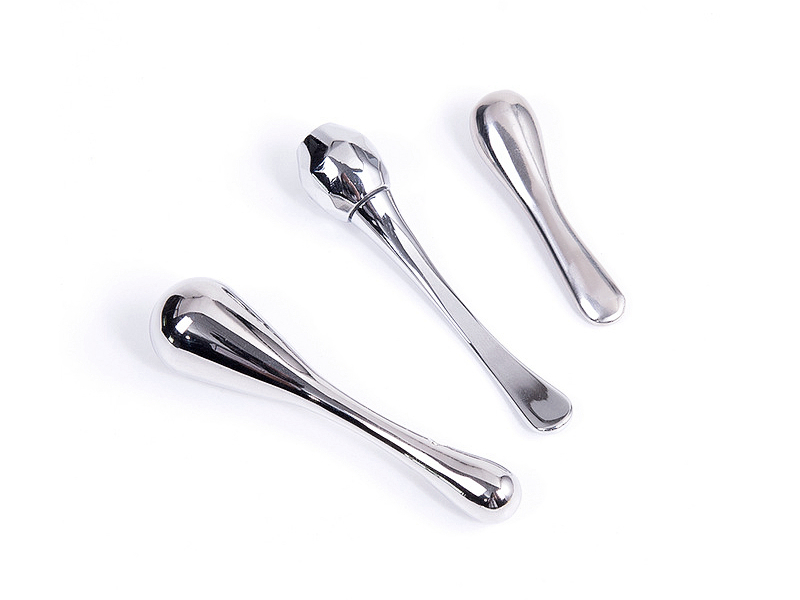
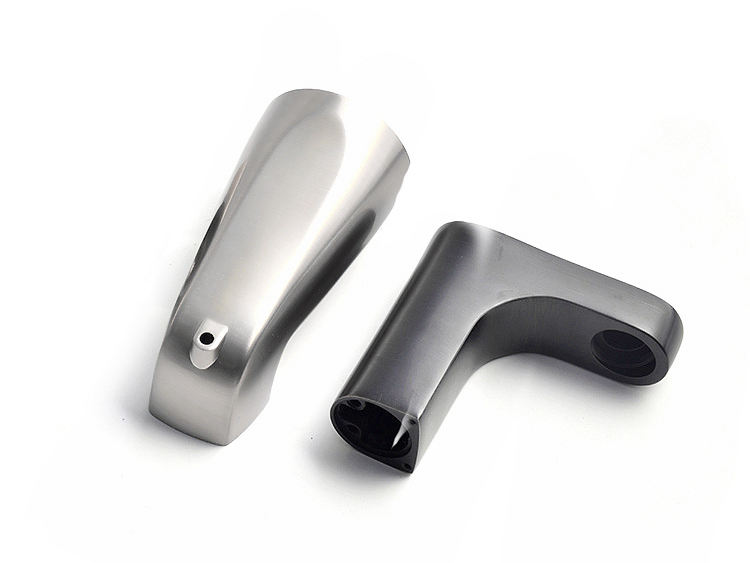
Coating for zinc die cast parts is not only a cosmetic process. For many buyers, it directly affects appearance, corrosion resistance, wear resistance, hand feel, assembly protection, brand perception, and long-term product value. This is especially important for consumer products, electronic housings, automotive interior parts, decorative hardware, connectors, handles, trim parts, and industrial zinc alloy components.
Zinc die casting is widely used for small, complex, and dimensionally stable metal parts. However, many zinc die cast parts are visible, touched, assembled, or exposed to different operating environments. Without proper coating, the part may not meet the buyer's requirements for color, texture, corrosion protection, surface durability, or final appearance.
For buyers sourcing custom zinc die cast parts, coating requirements should be confirmed during the RFQ stage. The coating type, cosmetic surfaces, functional surfaces, thickness requirements, corrosion resistance standard, machining sequence, and inspection criteria can all affect cost, lead time, and production risk.
Why Coating Matters for Zinc Die Cast Parts
Coating matters because many zinc die cast parts are used in products where both function and appearance are important. Zinc die casting can produce small and complex metal parts with good dimensional stability, but the final surface may still need coating to meet the buyer's cosmetic, protective, or durability requirements.
Coating can improve surface color, texture, touch quality, corrosion resistance, and wear resistance. It can also help protect contact surfaces, decorative surfaces, and visible product areas during long-term use. For consumer products, electronic housings, automotive interior parts, hardware, and industrial components, coating often becomes a key part of the final product quality.
Buyers should treat coating as part of the complete metal casting service plan, not as a last-minute process. The original die casting quality, tooling design, burr control, machining plan, and surface preparation all affect the final coating result.
Why Coating Matters | How It Helps Zinc Die Cast Parts | Buyer Value |
|---|---|---|
Appearance improvement | Creates consistent color, gloss, texture, and surface finish | Improves product presentation and brand quality |
Corrosion resistance | Adds protection against moisture, oxidation, and harsh environments | Extends service life and reduces surface aging |
Wear resistance | Protects surfaces exposed to handling, friction, or repeated contact | Improves durability in use |
Assembly protection | Protects contact surfaces and visible areas after assembly | Reduces cosmetic damage and functional risk |
Product value | Makes zinc die cast parts look and feel more refined | Improves buyer acceptance and perceived quality |
Common Coating Options for Zinc Die Cast Parts
Different coating options serve different purposes. Some coatings are mainly used for color and appearance. Others are selected for corrosion resistance, wear resistance, conductivity, uniform coverage, or decorative value. The right coating depends on the product application, surface standard, use environment, and cost target.
Buyers should also understand that coating quality depends on surface preparation. Before coating, zinc die cast parts often need cleaning, deburring, polishing, or pre-treatment to improve adhesion and reduce defects. If oil, release agent, burrs, porosity, or sharp edges are not controlled, the coating may peel, blister, crack, or show visible defects.
Coating Option | Main Purpose | Suitable Parts |
|---|---|---|
Painting | Color, appearance, and basic protection | Housings, covers, decorative parts |
Powder coating | Durability and corrosion resistance | Industrial parts and outdoor components |
Plating | Decorative finish, wear resistance, and conductivity | Hardware, connectors, handles, trim parts |
E-coating | Uniform protection and corrosion resistance | Automotive and industrial zinc die cast parts |
Clear coating | Surface protection while keeping base appearance | Decorative and consumer parts |
Pre-treatment | Improve coating adhesion | Most zinc die cast parts before finishing |
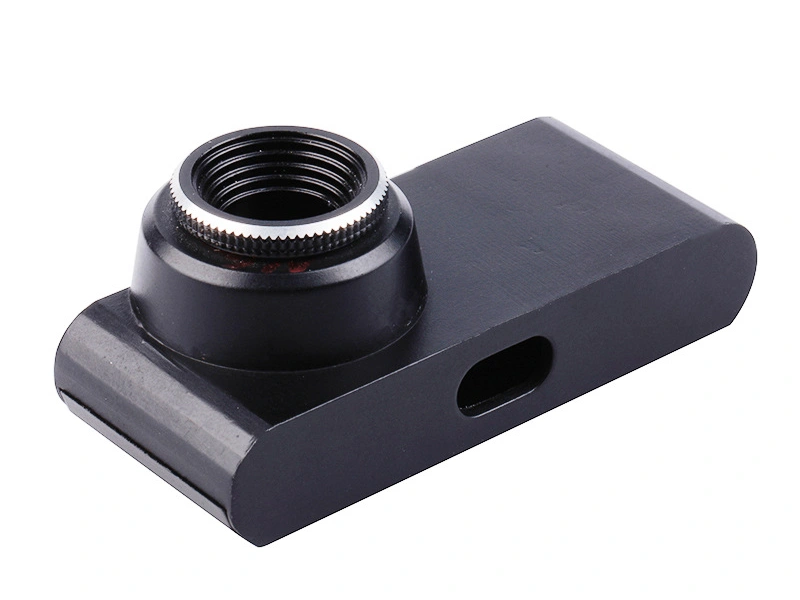
How Coating Improves Appearance
Coating improves the appearance of zinc die cast parts by creating more consistent color, texture, gloss, and surface quality. For visible parts, coating can help meet brand color requirements, decorative standards, and customer-facing appearance expectations.
Many zinc die cast parts are used as visible surfaces, hand-contact parts, or decorative components. These parts may include consumer product covers, electronic housings, handles, lock parts, trim components, furniture hardware, and automotive interior parts. Coating can improve product feel and perceived value by creating a more refined and consistent surface.
However, coating cannot fully solve severe die casting defects. If the original part has porosity, shrinkage, deep flow marks, heavy burrs, sharp edges, or surface contamination, the final coating may still show defects. A better approach is to control casting quality, tooling condition, and pre-treatment before coating begins.
Appearance Requirement | How Coating Helps | Buyer Should Confirm |
|---|---|---|
Consistent color | Creates uniform color across visible parts | Color code, sample, or reference photo |
Decorative finish | Improves gloss, texture, and perceived product quality | Matte, gloss, metallic, or clear finish preference |
Visible surface quality | Reduces minor surface variation after proper preparation | Cosmetic surface markings on drawings |
Hand-contact feel | Improves touch quality and user experience | Acceptable roughness, texture, and edge condition |
Brand appearance | Supports product identity and buyer expectations | Approved sample before batch production |
How Coating Improves Corrosion Resistance
Zinc alloy has some natural corrosion resistance, but many zinc die cast parts still need extra protection when used in humid, outdoor, automotive, industrial, or high-contact environments. Coating helps protect the surface from moisture, oxidation, chemicals, handling wear, and environmental aging.
Painting, powder coating, plating, and e-coating can all improve corrosion resistance when the surface preparation is controlled properly. The coating system should match the use environment. A decorative indoor part may need a different coating standard from an outdoor hardware part or an automotive zinc die cast component.
Coating performance depends on pre-treatment, cleanliness, coating thickness, edge coverage, and original casting quality. If oil residue, release agent, burrs, pores, or sharp edges remain on the part, corrosion may start earlier or coating defects may appear after use. For harsh environments, buyers should define test requirements before production.
Use Environment | Coating Focus | Buyer Concern |
|---|---|---|
Indoor consumer products | Color, appearance, and light surface protection | Visual quality and touch feel |
Automotive parts | Corrosion resistance, wear resistance, and stable appearance | Long-term durability and batch consistency |
Outdoor hardware | Moisture and corrosion protection | Resistance to oxidation and surface aging |
Industrial parts | Durability against handling, oil, wear, and harsh environments | Service life and maintenance reduction |
Decorative parts | Appearance protection and color stability | Consistent finish and product value |
What Affects Coating Quality on Zinc Die Cast Parts?
Coating quality on zinc die cast parts depends on many factors before the coating process begins. The original casting surface, tooling design, burr control, machining sequence, cleaning process, and inspection standard can all affect the final result.
Common factors include die cast surface quality, porosity, shrinkage, oil residue, release agent residue, burrs, sharp edges, parting line position, pre-treatment cleanliness, coating thickness, cosmetic inspection standard, and whether CNC machining is performed before coating.
If the part requires CNC machining after die casting, buyers should confirm whether coating happens before or after machining. Machined zinc die cast parts may need cleaning, masking, edge control, or additional inspection before coating to avoid defects on functional surfaces.
Quality Factor | How It Affects Coating | Buyer Risk if Ignored |
|---|---|---|
Die cast surface quality | Rough surfaces, flow marks, or defects can show after coating | Cosmetic rejection |
Porosity and shrinkage | Small pores may appear as coating pits, blisters, or uneven finish | Rework and appearance disputes |
Oil and release agent residue | Contamination can reduce coating adhesion | Peeling, blistering, or poor durability |
Burrs and sharp edges | Edges may receive uneven coating or chip during use | Early coating failure |
Parting line position | Visible parting lines may remain after coating | Poor visible surface quality |
Pre-treatment cleanliness | Cleaning affects adhesion, corrosion resistance, and finish stability | Unstable coating quality |
Coating thickness | Thickness affects appearance, durability, and assembly fit | Fit problems or insufficient protection |
Inspection standard | Defines acceptable marks, color variation, pits, and scratches | Quality disputes after production |
How Coating Affects Zinc Die Casting Cost
Coating affects zinc die casting cost because different coating types require different surface preparation, labor, equipment, inspection, and rework control. Basic painting, powder coating, plating, e-coating, and decorative coating do not have the same cost structure.
Plating usually requires stricter surface preparation and cosmetic control than simple painting. High appearance grade parts may require additional polishing, cleaning, masking, inspection, and rejection control. Full-surface coating can also cost more than coating only cosmetic or functional areas.
Complex part geometry can increase coating cost because deep pockets, thin slots, ribs, internal corners, and threaded areas are harder to coat evenly. If the casting defect rate is high, coating rework and scrap cost will also increase. Buyers should separate cosmetic surfaces, functional surfaces, non-visible surfaces, contact surfaces, threaded areas, and machined areas during the RFQ stage.
Cost Factor | Why It Affects Cost | Cost Control Method |
|---|---|---|
Coating type | Painting, powder coating, plating, and e-coating have different process costs | Select coating based on function and appearance needs |
Appearance grade | Higher cosmetic standards require more inspection and rework control | Define acceptable defects clearly |
Coated area | Full-surface coating costs more than selected-area coating | Separate cosmetic, functional, and hidden surfaces |
Part complexity | Complex structures are harder to coat uniformly | Review geometry before finalizing coating requirements |
Die casting defect rate | Porosity, burrs, and surface defects increase coating rejection | Improve casting quality and tooling control |
CNC machining sequence | Machining before or after coating can affect cleaning, masking, and inspection | Confirm process sequence during RFQ |
When Should Buyers Define Coating Requirements?
Buyers should define coating requirements during the RFQ stage, not after zinc die cast samples are already made. Coating requirements affect die casting quality control, tooling planning, CNC machining sequence, surface preparation, inspection, cost, and lead time.
A complete RFQ should include the 2D drawing, 3D model, coating type, color requirement, cosmetic surface marking, coating thickness requirement, corrosion resistance test requirement, acceptable defect standard, use environment, annual demand, CNC machining needs, and any reference sample or photo.
When coating requirements are clear, the supplier can evaluate whether the design and casting process can support the required finish. This helps reduce coating rework, appearance disputes, unexpected cost increases, and production delays.
RFQ Information | Why It Is Needed | What It Helps the Supplier Evaluate |
|---|---|---|
2D drawing | Shows tolerances, notes, surface areas, and critical features | Coating thickness, masking, and inspection needs |
3D model | Shows geometry, complex areas, ribs, holes, and pockets | Coating feasibility and uniformity risk |
Coating type | Defines the finishing process | Cost, process flow, and lead time |
Color requirement | Defines final appearance | Color control, sample approval, and batch consistency |
Cosmetic surface marking | Identifies visible and appearance-critical faces | Inspection level and polishing needs |
Coating thickness requirement | Affects fit, protection, and appearance | Assembly tolerance and masking plan |
Corrosion resistance test | Defines durability expectations | Coating system and pre-treatment choice |
Acceptable defect standard | Clarifies what marks, pits, scratches, or color variation are acceptable | Reduces inspection disputes |
Use environment | Shows indoor, outdoor, automotive, industrial, or humid conditions | Coating durability requirement |
CNC machining need | Shows whether machined features must be protected or coated | Machining and coating sequence |
How to Choose a Supplier for Coated Zinc Die Cast Parts
Choosing a supplier for coated zinc die cast parts should not be based only on the lowest casting price. Buyers should confirm whether the supplier understands zinc die casting, surface defect control, DFM analysis, tooling design, CNC machining, coating pre-treatment, appearance inspection, and batch consistency control.
A capable supplier should review cosmetic surfaces, functional surfaces, coating type, corrosion resistance requirement, machining areas, parting line locations, burr control, and inspection standards before production begins. The supplier should also understand how tooling for zinc die cast parts affects surface quality, parting lines, flash, burrs, ejector marks, and coating results.
For parts that require precision features, the supplier should also support machined zinc die cast parts. CNC machining and coating must be planned together when holes, threads, contact surfaces, sealing faces, or assembly datums affect final fit and appearance.
Supplier Capability | Why Buyers Should Check It | What It Helps Prevent |
|---|---|---|
Zinc die casting experience | Original casting quality affects coating outcome | Visible defects and coating rejection |
Surface defect control | Porosity, burrs, flash, and surface marks affect coating quality | Rework and appearance disputes |
DFM analysis | Design should be reviewed for coating and casting feasibility | Late design changes and unstable coating results |
Tooling design ability | Gate, parting line, and ejector positions affect visible surfaces | Cosmetic problems on key surfaces |
CNC machining support | Machined areas may need masking, cleaning, or protection before coating | Fit issues and process conflicts |
Coating pre-treatment experience | Cleaning and surface preparation affect adhesion and durability | Peeling, blistering, and poor corrosion resistance |
Appearance inspection capability | Coated parts need clear cosmetic standards and batch control | Customer rejection after delivery |
Batch consistency control | Color, thickness, gloss, and defect level must be stable across orders | Inconsistent production quality |
Neway supports coated zinc die cast projects that require zinc die casting, custom metal casting, tooling, CNC machining, coating planning, appearance control, and batch production support. For buyers sourcing coating for zinc die cast parts, early RFQ planning helps reduce coating defects, control cost, and improve final product durability.
FAQ