Can Coating Hide Defects in Zinc Die Cast Parts?
Can Coating Hide Defects in Zinc Die Cast Parts?
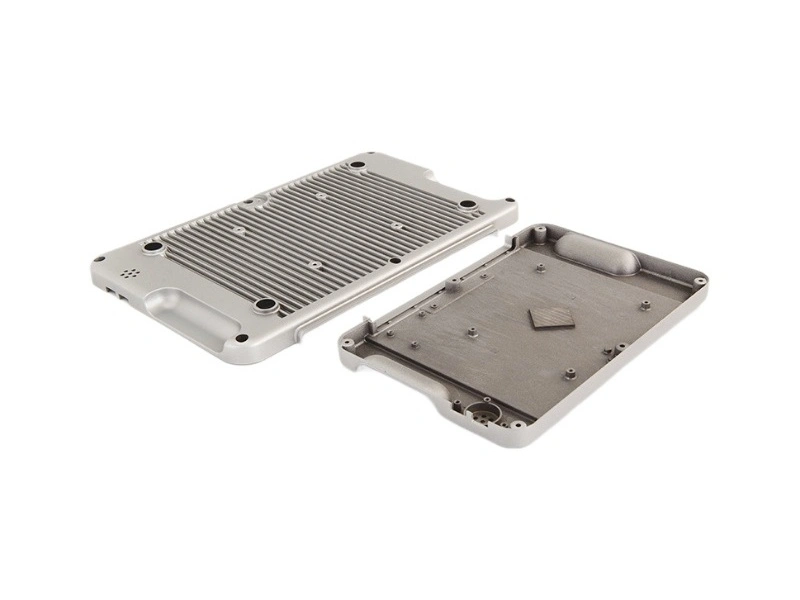
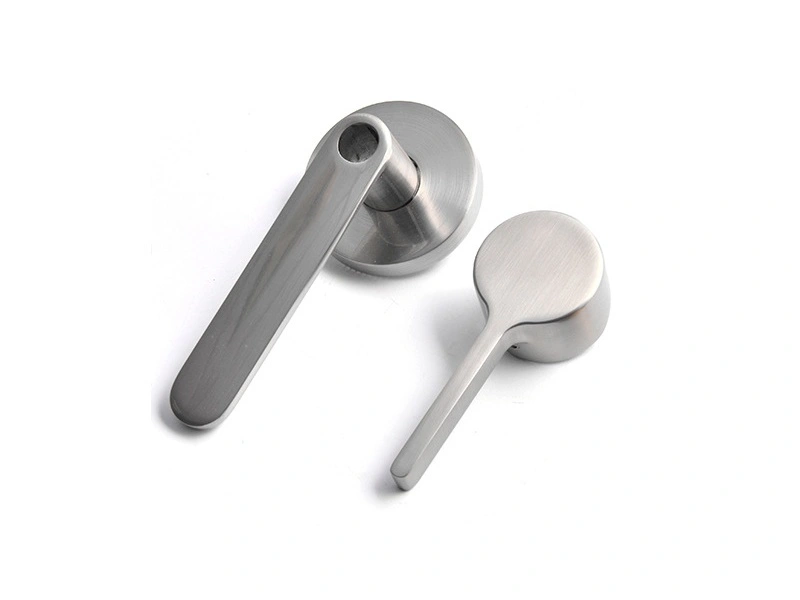
Coating can improve the appearance of zinc die casting parts, but it cannot truly repair serious die casting defects. Coating cannot remove internal porosity, fix severe shrinkage, solve heavy burrs, or correct obvious parting line problems. If the original casting surface has serious defects, coating may make the part look better at first, but it cannot solve the root cause of poor casting quality.
For high-appearance coated zinc die cast parts, buyers should not rely only on final coating. Surface quality must be controlled from die casting tooling, material flow, venting, casting parameters, trimming, polishing, surface preparation, coating, and final inspection together.
1. What Coating Can and Cannot Do
Coating is useful for improving color, gloss, corrosion resistance, wear resistance, and decorative appearance. However, coating is a finishing process, not a repair method for serious casting defects. If the part has porosity, shrinkage, heavy burrs, deep parting lines, or unstable surface quality, the supplier must control the issue before coating.
Defect or Surface Issue | Can Coating Hide It? | Professional Explanation |
|---|---|---|
Minor color inconsistency | Yes, in many cases | Painting, powder coating, plating, or clear coating can improve final appearance |
Light surface marks | Partly | Coating may reduce visibility, but surface preparation is still required |
Internal porosity | No | Coating only covers the surface and cannot remove pores inside the casting |
Severe shrinkage | No | Shrinkage is a casting and solidification issue that must be solved before finishing |
Heavy burrs and parting lines | No | Burrs and parting lines need trimming, deburring, polishing, tooling correction, or process improvement |
Deep surface defects | No | Coating may make serious defects more visible instead of hiding them |
2. Why Coating Cannot Remove Internal Porosity
Internal porosity forms inside zinc die cast parts during casting. It can be caused by trapped gas, poor venting, unsuitable gate design, unstable injection parameters, or poor material flow. Since coating is applied only to the surface, it cannot remove internal pores or make the part structurally sound.
If porosity is close to the surface, coating may create pinholes, weak adhesion, blistering, or visible defects. This is why porosity must be controlled through tooling, venting, material flow, casting parameters, and inspection before coating starts.
Porosity Situation | Coating Risk | Better Control Method |
|---|---|---|
Internal gas porosity | Coating cannot remove hidden pores | Improve gate design, venting, and die casting process stability |
Surface-near porosity | Pinholes or weak coating adhesion may appear | Control casting quality before surface preparation |
Porosity on cosmetic surfaces | Visible defects may remain after coating | Review tooling layout, material flow, and surface inspection standards |
Porosity on functional areas | Coating cannot guarantee strength or sealing performance | Use inspection, machining, or process correction where needed |
3. Why Coating Cannot Fix Severe Shrinkage
Severe shrinkage is not a surface color problem. It is usually related to part structure, wall thickness, cooling, material flow, or local hot spots. Coating may cover the surface color, but it cannot restore missing material, correct sink marks, or solve internal shrinkage.
Shrinkage Problem | Why Coating Is Not Enough | Better Engineering Action |
|---|---|---|
Sink marks | Coating may still show uneven surface shape | Optimize wall thickness, ribs, and local cooling |
Thick-section shrinkage | The defect comes from solidification, not only surface appearance | Review part design, gate position, and cooling balance |
Visible depression | Painting or powder coating may not hide shape variation | Correct tooling and casting process before coating |
Batch shrinkage variation | Coating cannot make unstable casting dimensions consistent | Improve process control and inspection before finishing |
4. Why Coating Cannot Solve Heavy Burrs and Parting Lines
Heavy burrs and obvious parting lines should be controlled before coating. If burrs, flash, trimming marks, or parting line steps are coated directly, the coating may cover them with color but still leave visible raised edges or rough surfaces. In some cases, coating thickness can make these areas look even more obvious.
Surface Issue | Problem After Coating | Better Control Method |
|---|---|---|
Heavy burrs | Burrs may remain visible and affect handling or assembly | Use trimming, deburring, polishing, or tooling correction |
Obvious parting lines | Coating may not hide raised or uneven parting line marks | Review parting line position and mold fit before production |
Flash near edges | Coating may chip or become uneven around thin flash areas | Improve mold closing, trimming, and edge finishing |
Rough trimmed gate marks | Gate areas may remain visible after painting or plating | Control gate location, trimming method, and local polishing |
5. Why Plating May Magnify Surface Defects
Plating can create a premium decorative or functional surface on zinc die cast parts, but it may also magnify surface defects. Pores, scratches, polishing marks, flow marks, roughness, and parting line defects may become more visible after plating because plating follows the surface condition underneath.
For decorative plated zinc die cast parts, buyers should define cosmetic surfaces, polishing requirements, acceptable defect standards, and inspection rules before production. The supplier should also control casting surface quality before plating.
Surface Defect Before Plating | Possible Result After Plating | Buyer Should Confirm |
|---|---|---|
Surface pores | Small pits or visible pinholes may appear | Acceptable pore size, location, and cosmetic limits |
Polishing marks | Marks may remain visible under bright decorative finish | Polishing level and sample approval standard |
Flow marks | Decorative plating may highlight uneven surface patterns | Gate design, visible surface layout, and appearance standard |
Parting line marks | Raised or uneven lines may become more obvious | Parting line location and post-processing requirements |
6. How Serious Surface Defects Increase Rework Risk
If zinc die cast parts have serious surface defects before coating, later coating can increase rework risk. The supplier may need extra polishing, stripping, recoating, sorting, cosmetic inspection, or even new casting trials. This can increase cost, delay delivery, and reduce batch consistency.
Original Quality Problem | Possible Rework After Coating | Project Risk |
|---|---|---|
Surface porosity | Extra sorting, recoating, or rejection | Higher defect rate and unstable delivery |
Heavy burrs | Manual deburring and recoating may be needed | Higher labor cost and longer lead time |
Poor surface preparation | Peeling, blistering, or adhesion failure | Coating failure and customer rejection |
Unclear cosmetic standard | Repeated sample rejection or inspection disputes | Project delay and communication cost |
7. How High-Appearance Zinc Die Cast Parts Should Be Controlled
If buyers need high-appearance zinc die cast parts, quality should be controlled from tooling design, die casting parameters, surface preparation, coating, and inspection together. Coating should be treated as the final finishing step, not the only quality control method.
Control Stage | What Should Be Controlled | Why It Matters |
|---|---|---|
Tooling design | Gate position, parting line, venting, ejector marks, and visible surface layout | Reduces surface defects before casting starts |
Die casting process | Injection parameters, mold temperature, pressure, material flow, and cooling stability | Controls porosity, shrinkage, flow marks, and surface consistency |
Surface preparation | Deburring, polishing, cleaning, pre-treatment, and masking | Improves coating adhesion and final appearance |
Coating process | Coating type, thickness, color, gloss, texture, and process consistency | Helps achieve stable decorative or protective performance |
Final inspection | Cosmetic standard, defect limits, adhesion, thickness, and appearance check | Reduces batch rejection and buyer disputes |
8. What Buyers Should Confirm Before Coating
Before coating zinc die cast parts, buyers should confirm cosmetic surfaces, coating type, acceptable defect limits, plating or painting standard, functional surfaces, masking areas, inspection method, use environment, corrosion requirement, and reference samples. This helps the supplier control both casting quality and finishing quality.
Buyer Should Confirm | Why It Matters | How It Reduces Risk |
|---|---|---|
Cosmetic surfaces | Shows where high appearance quality is required | Helps control gate marks, parting lines, polishing, coating, and inspection focus |
Coating type | Different coatings hide or highlight defects differently | Helps choose painting, powder coating, plating, e-coating, or clear coating correctly |
Acceptable defect standard | Pores, scratches, burrs, parting lines, and flow marks need clear limits | Reduces sample approval disputes and batch rejection |
Functional surfaces | Holes, threads, contacts, and assembly areas may need masking or special control | Prevents coating from affecting assembly or product function |
Reference sample | Shows the expected final appearance more clearly than words alone | Improves sample approval and production consistency |
9. Summary
Question | Answer |
|---|---|
Can coating hide defects in zinc die cast parts? | Coating can improve appearance, but it cannot truly repair serious die casting defects. |
Can coating remove internal porosity? | No. Coating only covers the surface and cannot remove pores inside the casting. |
Can coating fix severe shrinkage? | No. Severe shrinkage must be controlled through part design, tooling, cooling, material flow, and casting parameters. |
Can coating solve heavy burrs and parting lines? | No. Heavy burrs and parting lines need trimming, deburring, polishing, tooling correction, or process control. |
Can plating make defects more visible? | Yes. Plating may magnify surface pores, scratches, polishing marks, flow marks, or parting line defects. |
In summary, coating can improve the appearance of zinc die cast parts, but it cannot truly fix internal porosity, severe shrinkage, heavy burrs, obvious parting lines, or poor casting quality. Plating may even magnify surface defects if the original casting surface is not well controlled. If buyers need high-appearance coated zinc die cast parts, they should require quality control from tooling design, die casting parameters, surface preparation, coating, and final inspection together.